
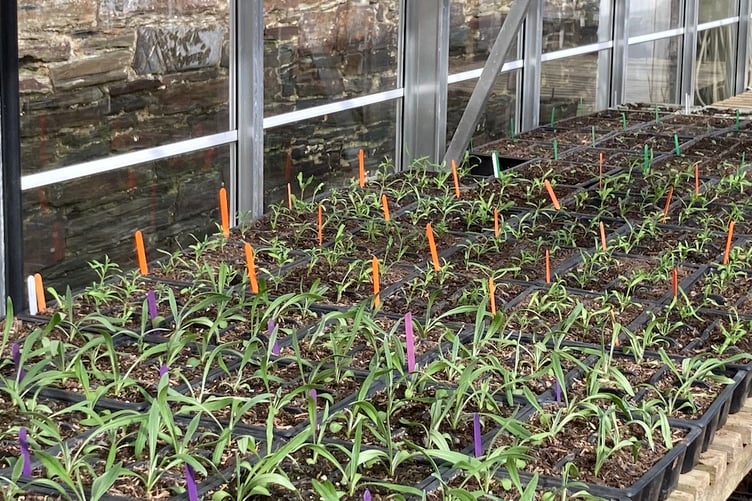
SOWING seeds can be one of the most rewarding experiences for any gardener. Preparing seeds, carefully sowing them and waiting as young seedlings emerge and then potting them on until they grow into adult plants is absolutely fascinating. There are a few simple rules you do need to follow, though, in order to get good results.
Firstly, most seed packets contain some basic instructions even if they sometimes don’t appear totally complete. This may all sound rather obvious but many people do seem to ignore these details. The packets often tell you how many seeds they contain and how long the seeds are likely to be viable for.
This information is useful because you want to always sow thinly and if, say, there are 500 seeds in the packet, you obviously only want to sow a tiny fraction of these in any one sowing. Also remember that though some seeds will last longer than others, they are likely to have a limited life. If you keep them somewhere cool and out of direct sunlight, they are likely to last longer.
Before sowing you do need to think about what conditions the seeds require. For instance, which month to sow them, what temperature they require and whether the seeds need light to germinate or whether to cover them with compost.




Some seeds can be directly sown outside in the garden but only when temperatures are sufficiently high. Seed can be sown in small containers (with drainage holes in them) on an indoor windowsill as long as there is sufficient light or, alternatively, in a greenhouse. My moist clay-like soil does take a while to warm up each year and so I do find I usually get the best results by starting seed off in the greenhouse.
Before sowing, some seed may need soaking, others a period of chilling or even stratifying (or nipping) the outer seed coating. There are even seeds from some parts of the world that require fire to break their dormancy and there are chemicals available that can mimic these requirements.
A lot of seed sowing can be experimental or even at times unsuccessful but don’t let this put you off. Getting the conditions right can be tricky. Weather conditions can change and, sometimes, apparently good seed just isn’t viable and doesn’t germinate.
But the rewards and the pleasure heavily outweigh any failures.
Martin Pallett
Comments
We've recently changed our login process. If you have an account for commenting, you will need to re-register on the login window.
This article has no comments yet. Be the first to leave a comment.