
ANYONE who has had to complete a risk assessment might be familiar with the idea of a risk matrix. This is used to calculate the size of overall risk depending on factors such as the severity of a possible accident, how likely it is to occur and how many people it might affect.
Risks are generally managed so as to ensure that a task only goes ahead if it registers high in only one of those categories, for example, a serious accident that is very unlikely or a slight inconvenience that affects a lot of people.
The question then is how do we classify the risk associated with climate change? For many years, people have thought that the likelihood of serious harm is relatively low and not affecting large numbers of people. But recent data has caused us to reassess that risk.
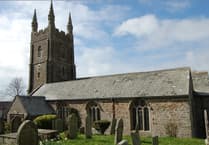
A few days ago, I was able to watch a pre-screening of a National Emergency Briefing film that will be shown at Holy Trinity Church in the centre of St Austell at 3pm on June 6, among other places and dates over the summer.

It’s possibly the most important thing you can watch this year and quite a wake-up call as experts in their field from climate science and agriculture to national security all present the facts with quite a chilling clarity.
The capacity for serious harm or death to significant numbers of the world’s population is becoming now more likely than unlikely and that should send our risk matrices into the red. We cannot continue without addressing this risk but the film also helps us in showing ways to do just that, ending with a note of hope and practical action. Listen out for more or search for “People’s Emergency Briefing trailer” to get a teaser.
CASA (Climate Action St Austell)
Comments
This article has no comments yet. Be the first to leave a comment.