

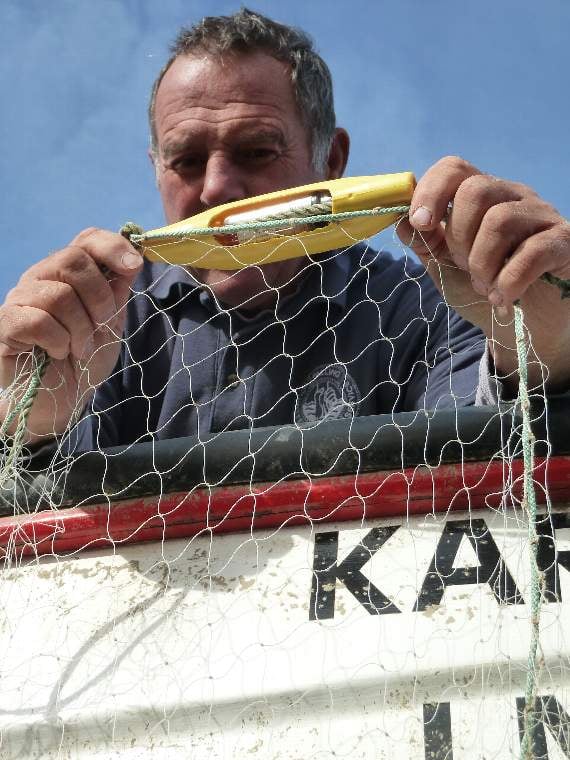
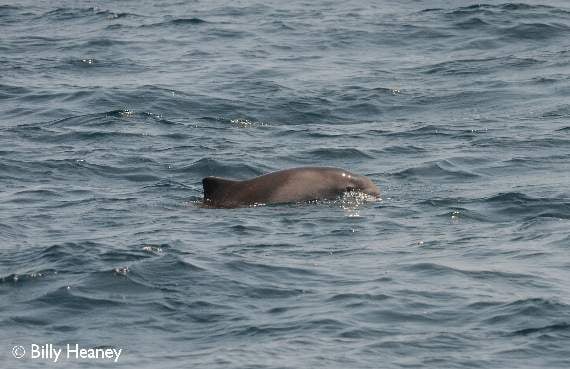
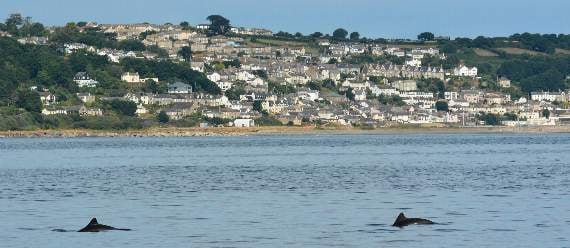
A simple piece of equipment known as a ’pinger’ could be an effective way to prevent porpoises from being caught in fishing nets.
Porpoises are the most common cetacean visitors to the Cornish coastline and accidental catching by fishing boats is a persisitent problem, says the Cornwall Wildlife Trust.
An eight-month study by the University of Exeter and the Trust suggests that the pingers - small underwater sound devices fixed to nets - were quite effective in repelling porpoises with no negative behavioural effects.
Ruth Williams of Cornwall Wildlife Trust said: ’We have been monitoring local dolphin and porpoise deaths through our standings scheme for over 25 years, and bycatch is still the biggest threat to these animals in the South West with large numbers washing ashore every year.

.jpg?width=209&height=140&crop=209:145,smart&quality=75)
.jpg?width=209&height=140&crop=209:145,smart&quality=75)

’Together with other NGOs we have campaigned to try to find a solution to reduce bycatch, that will work in our inshore fisheries.
’The results of this latest research show that there is a practical solution that is both effective and does not impact or change the animals’ behaviour, a positive result for both conservation and fishermen alike.’
Pingers are acoustic deterrent devices which are fitted on to fishing nets.
They work by emitting a randomised sonic noise, or “ping”, which can be heard by dolphins and porpoises and highlights the presence of the nets, thereby preventing accidental entanglement.
The porpoises’ own click sounds can be way above 100 times louder than the pings from the pinger.
In the study, Fishtek Banana Pingers were placed in the water along with two acoustic loggers (one beside the pinger and one 100m away) to record cetacean activity.
The effects were very localised, said researchers, with a drop of 37% in porpoise activity close to the pinger and a drop of 9% 100 metres away.
The study was partly funded by Whale and Dolphin Conservation.
Cornwall Wildlife Trust’s marine strandings report recorded 245 cetacean strandings in Cornwall in 2019.