
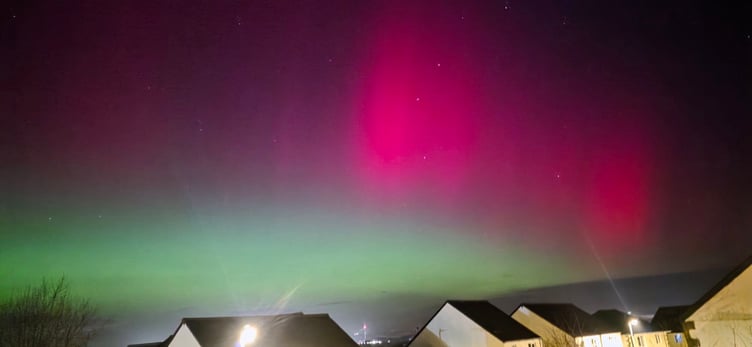
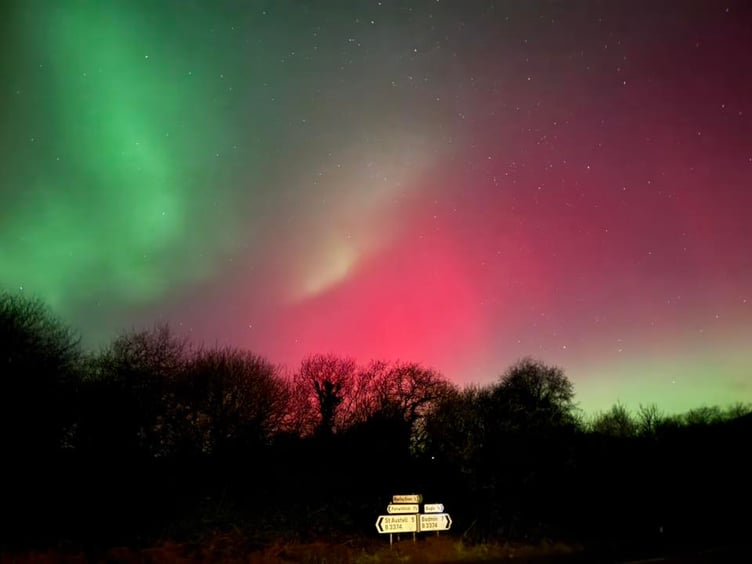
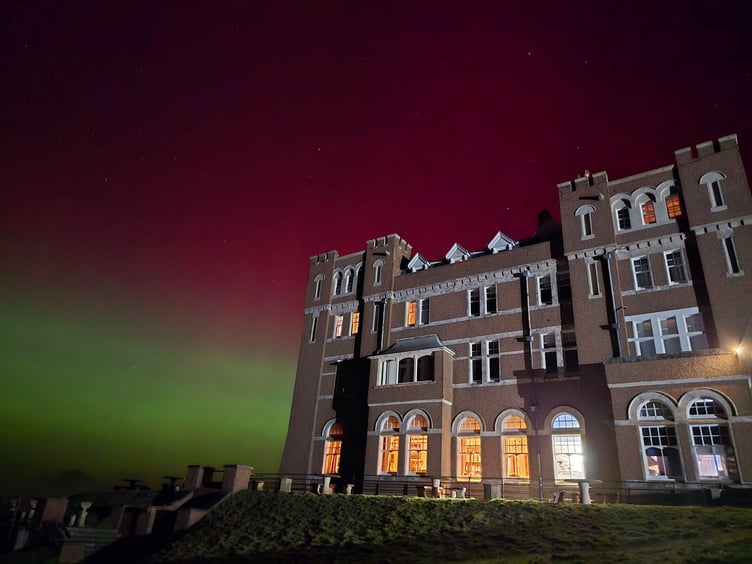
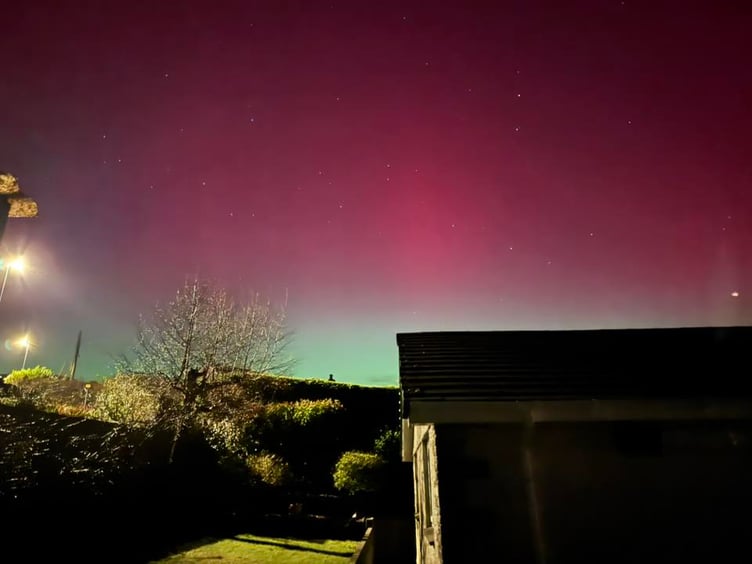
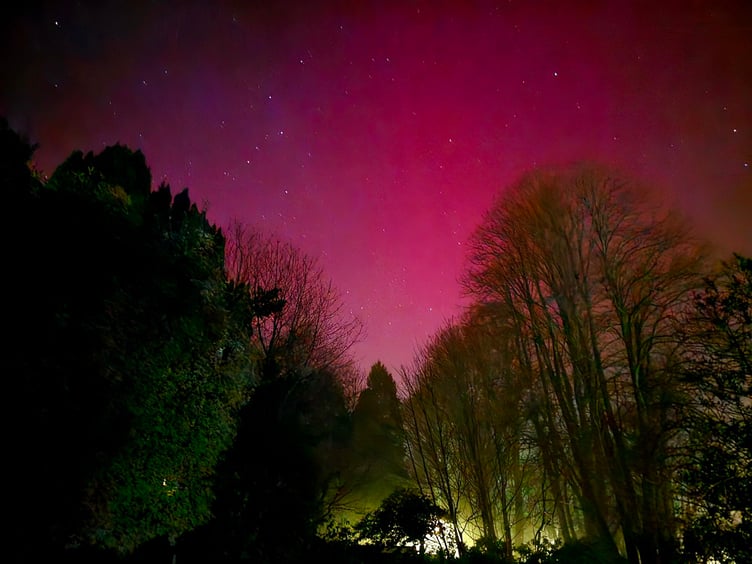
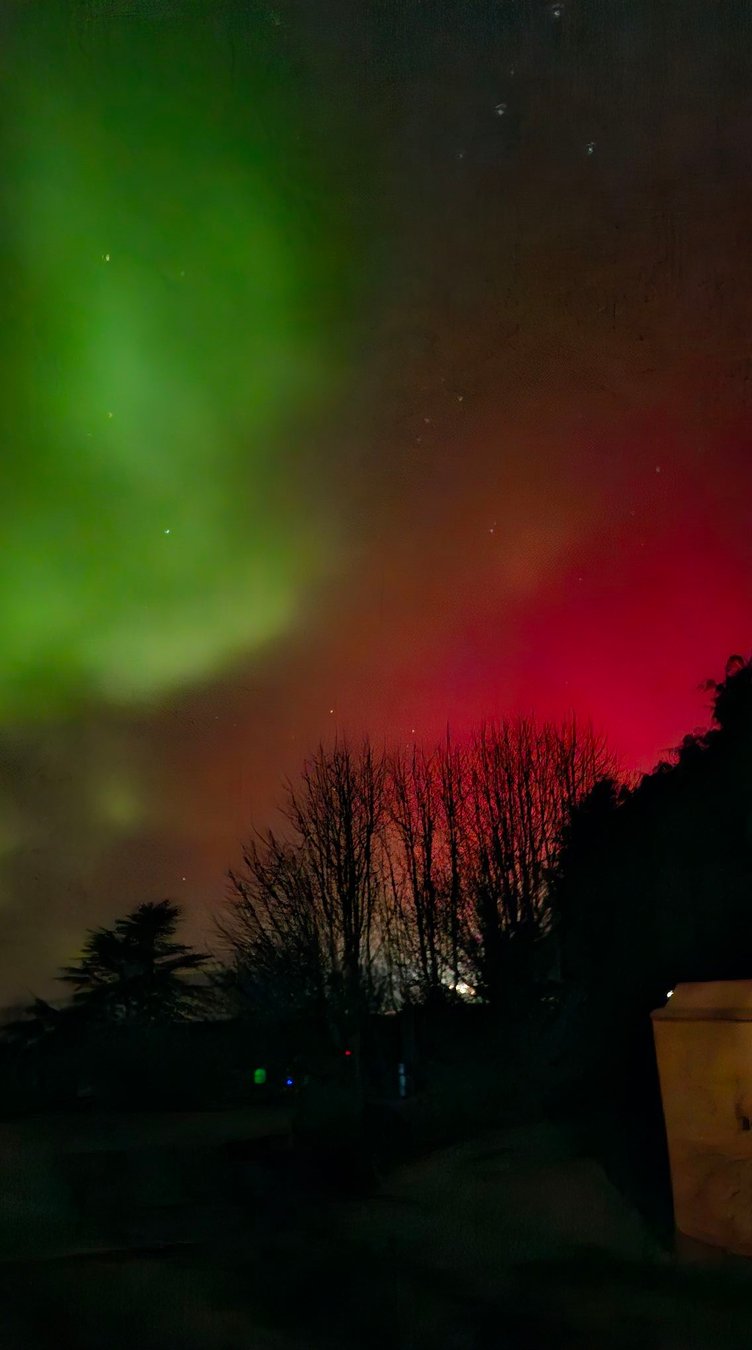
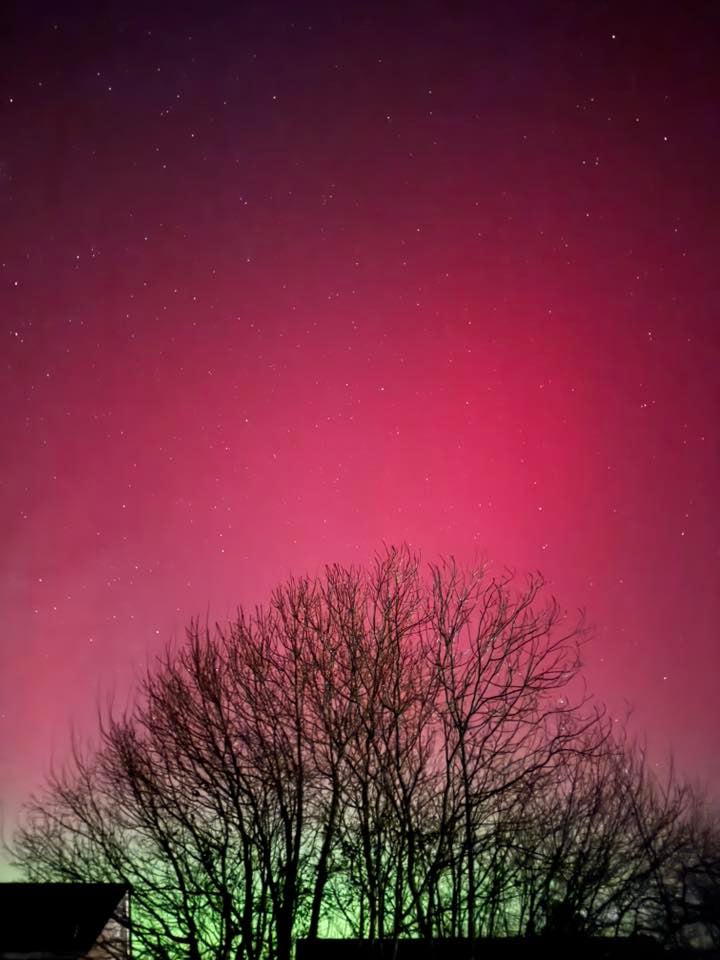
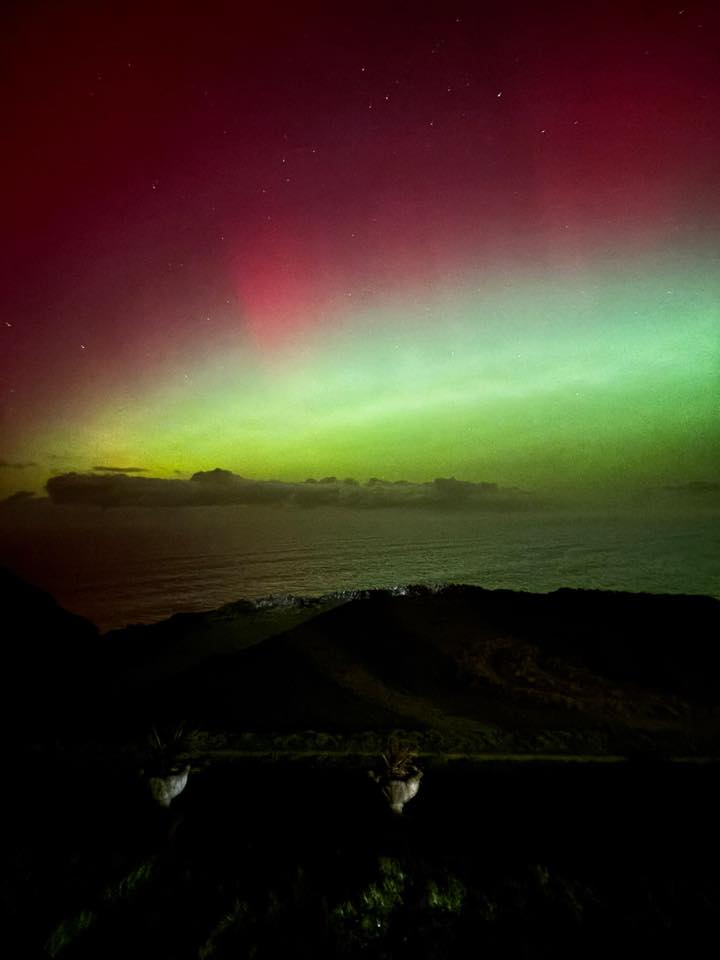
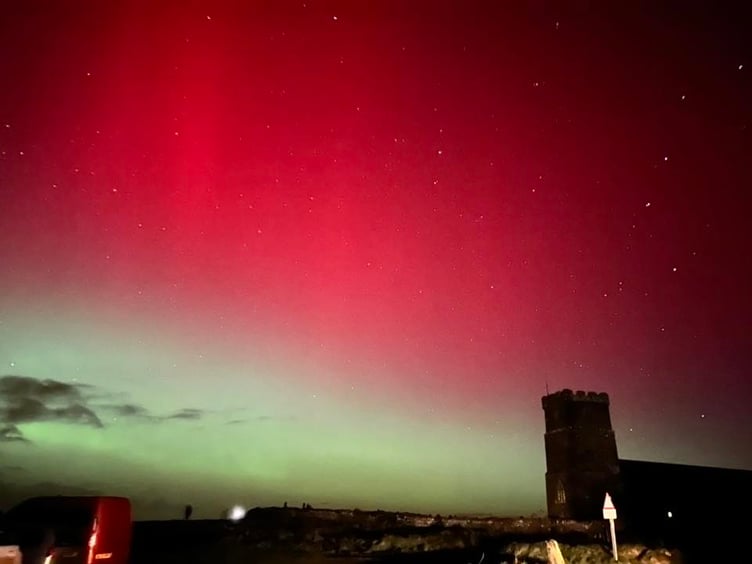
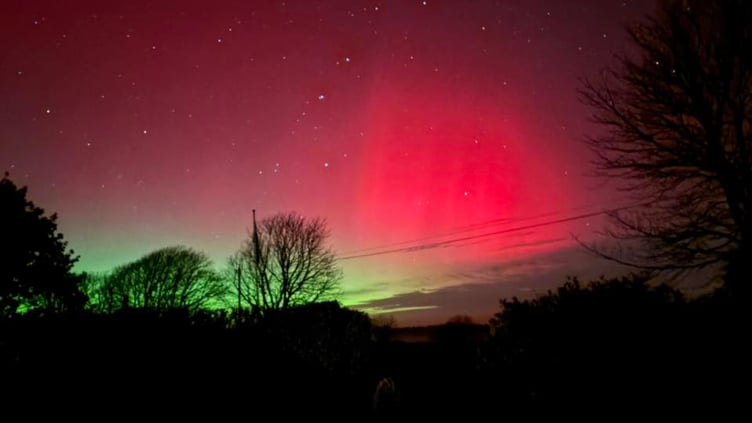
The Aurora Borealis was visible after colossal solar flare launched a coronal mass ejection (CME) from the surface of the sun the previous night led to the spectacular sight in our skies.
While not usually visible from Cornwall, the coronal mass injection delivered strong geomagnetic storm conditions that brought the northern lights bring the aurora borealis further south than usual.
Ahead of the event, the Met Office, which provides a space forecast said of the phenomenon: “A Coronal Mass Ejection (CME) that departed the Sun on January 18 reached Earth on the evening of January 19. G4/Severe geomagnetic storms were observed, producing widespread auroras visible across the UK, with reports extending as far south as northern Italy.

“By the evening of January 20, auroral activity is expected to decline, though it may still be visible in parts of Scotland, Northern Ireland, and other similar latitudes with clear skies. Auroras are then forecast to return to background levels for the remainder of the period.”
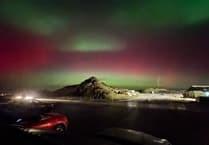
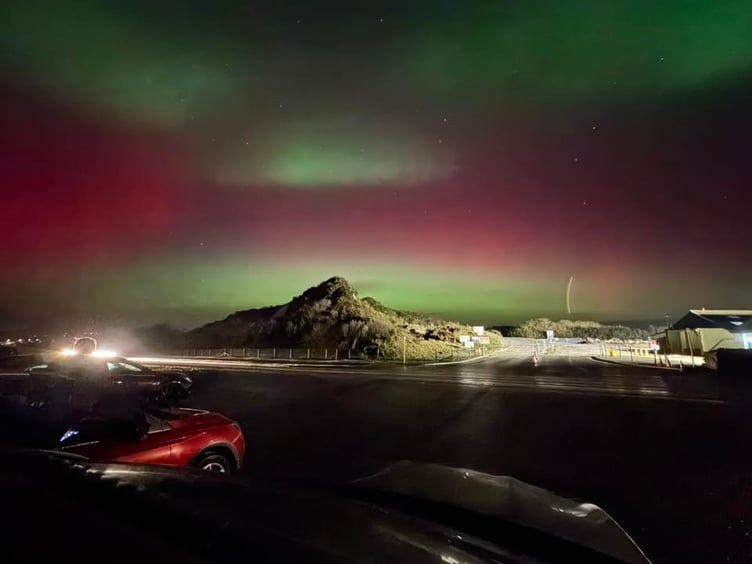
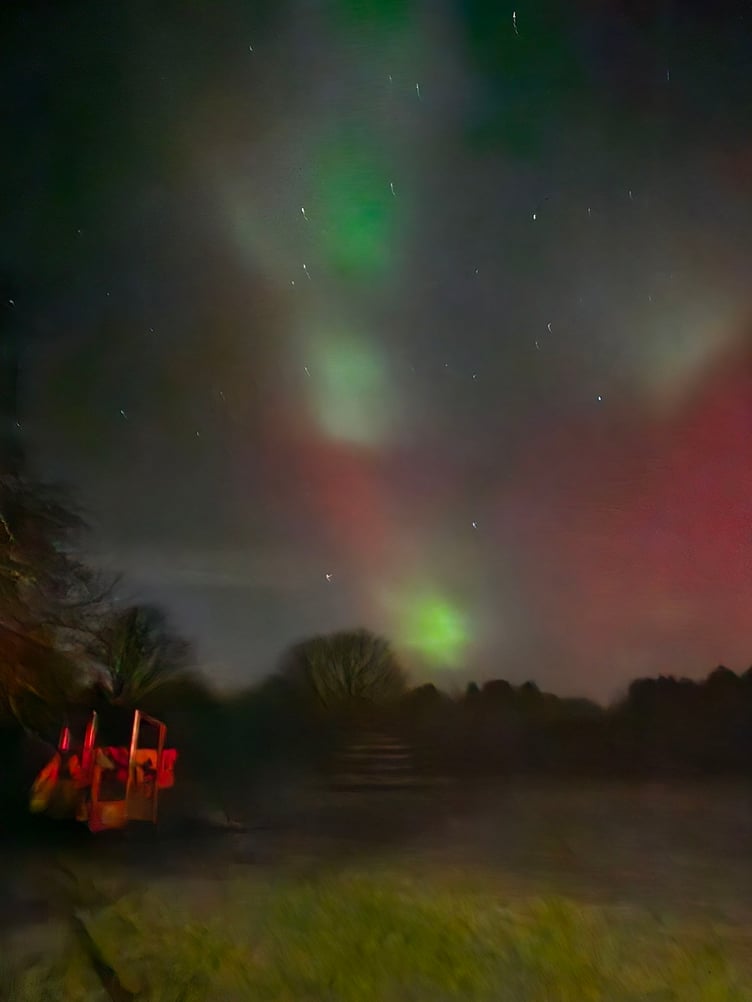
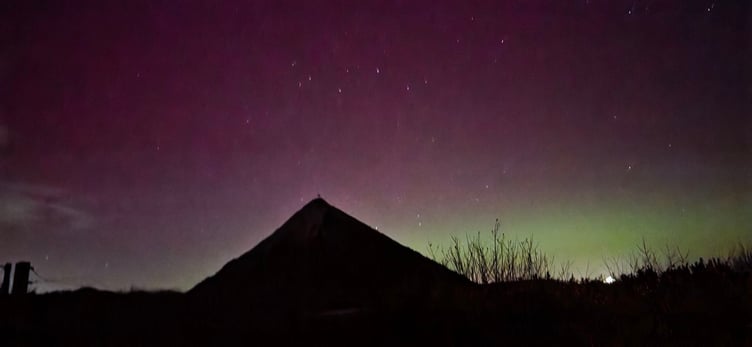
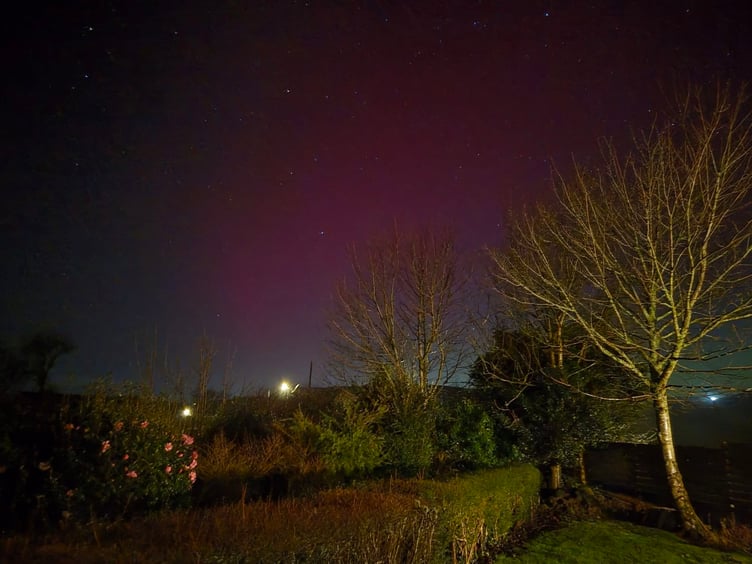
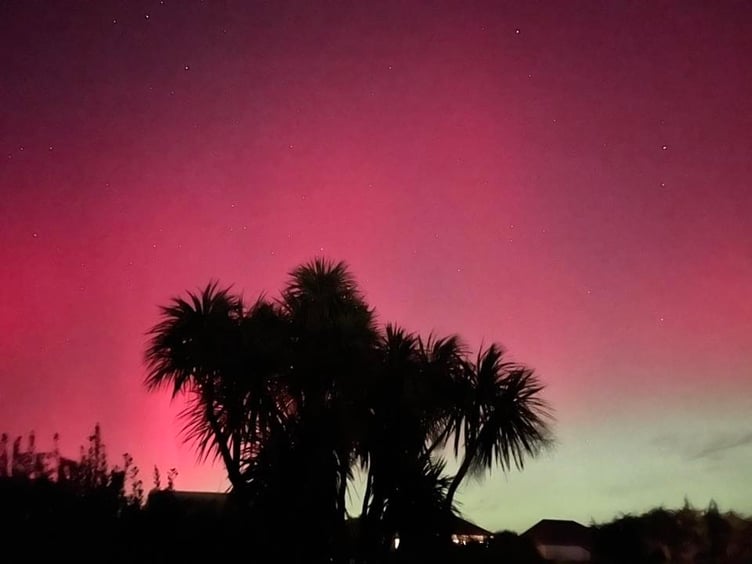
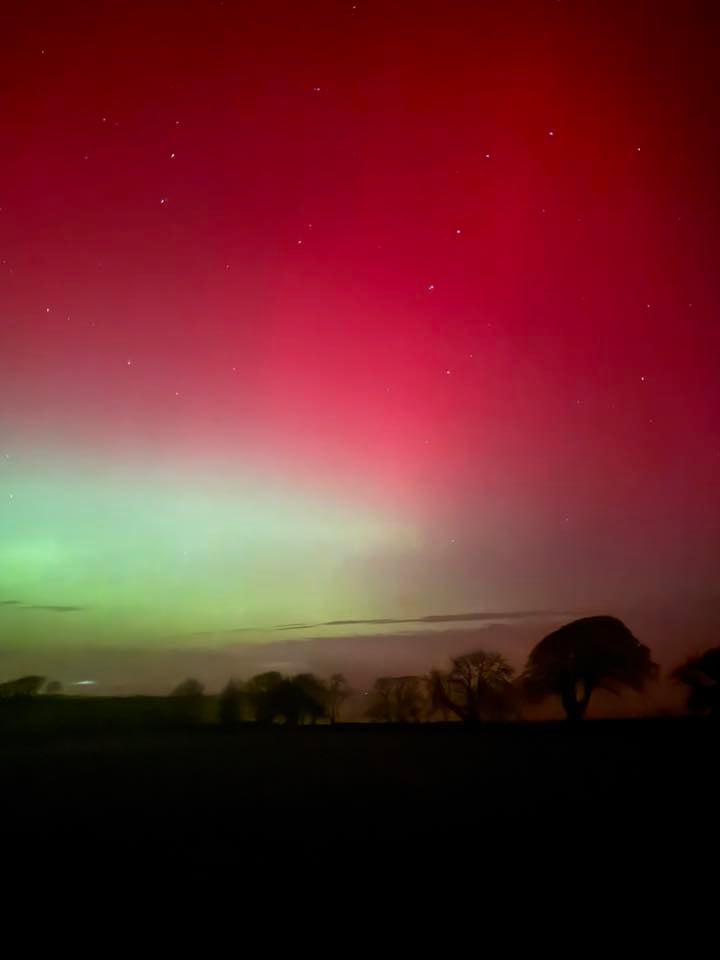
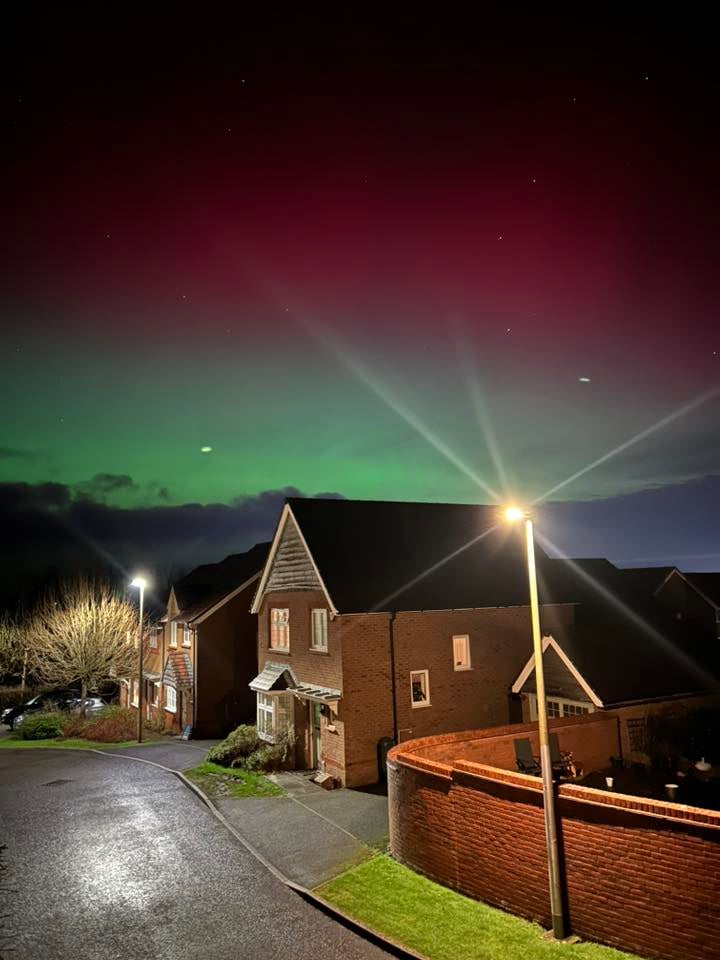
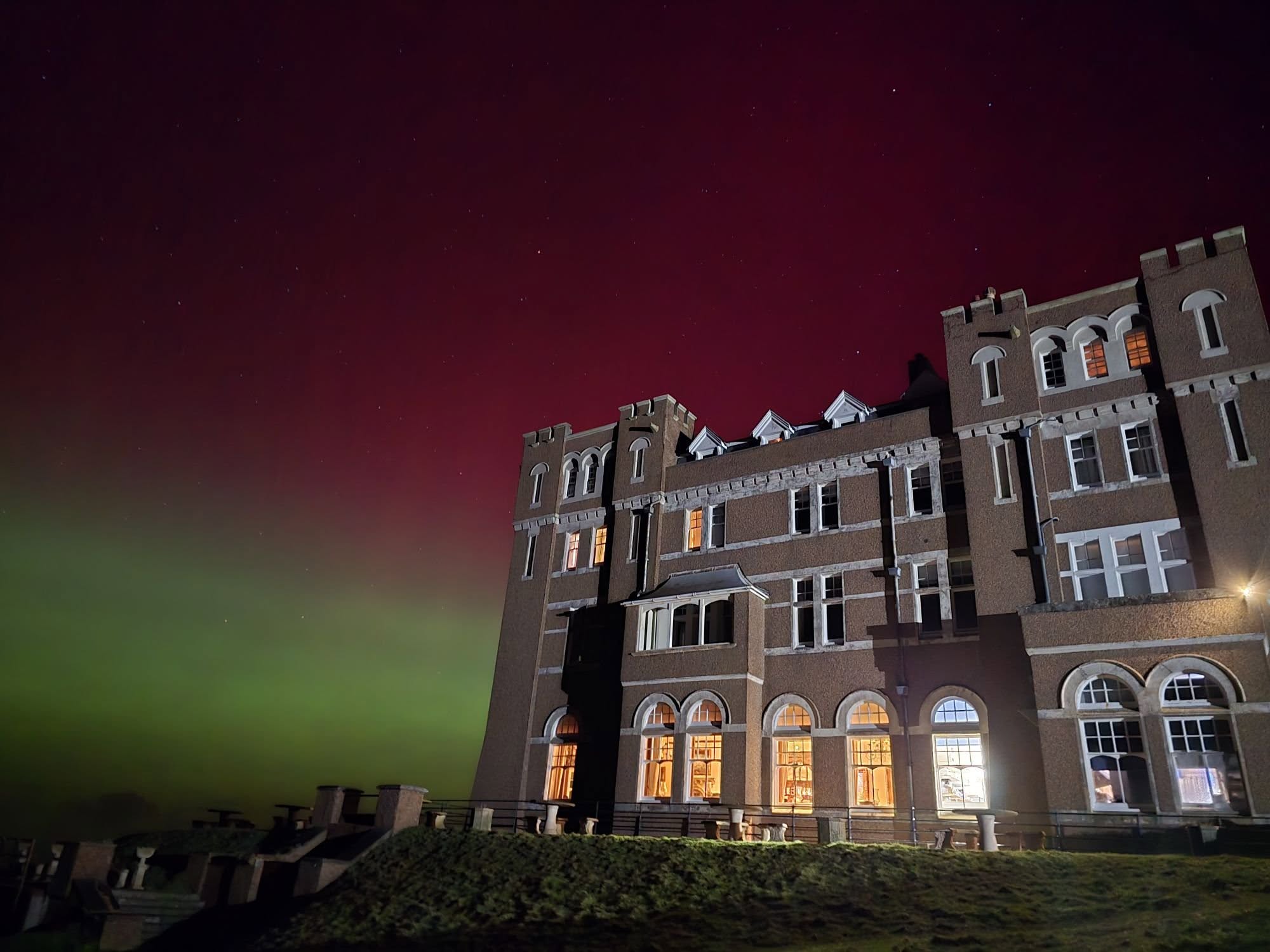
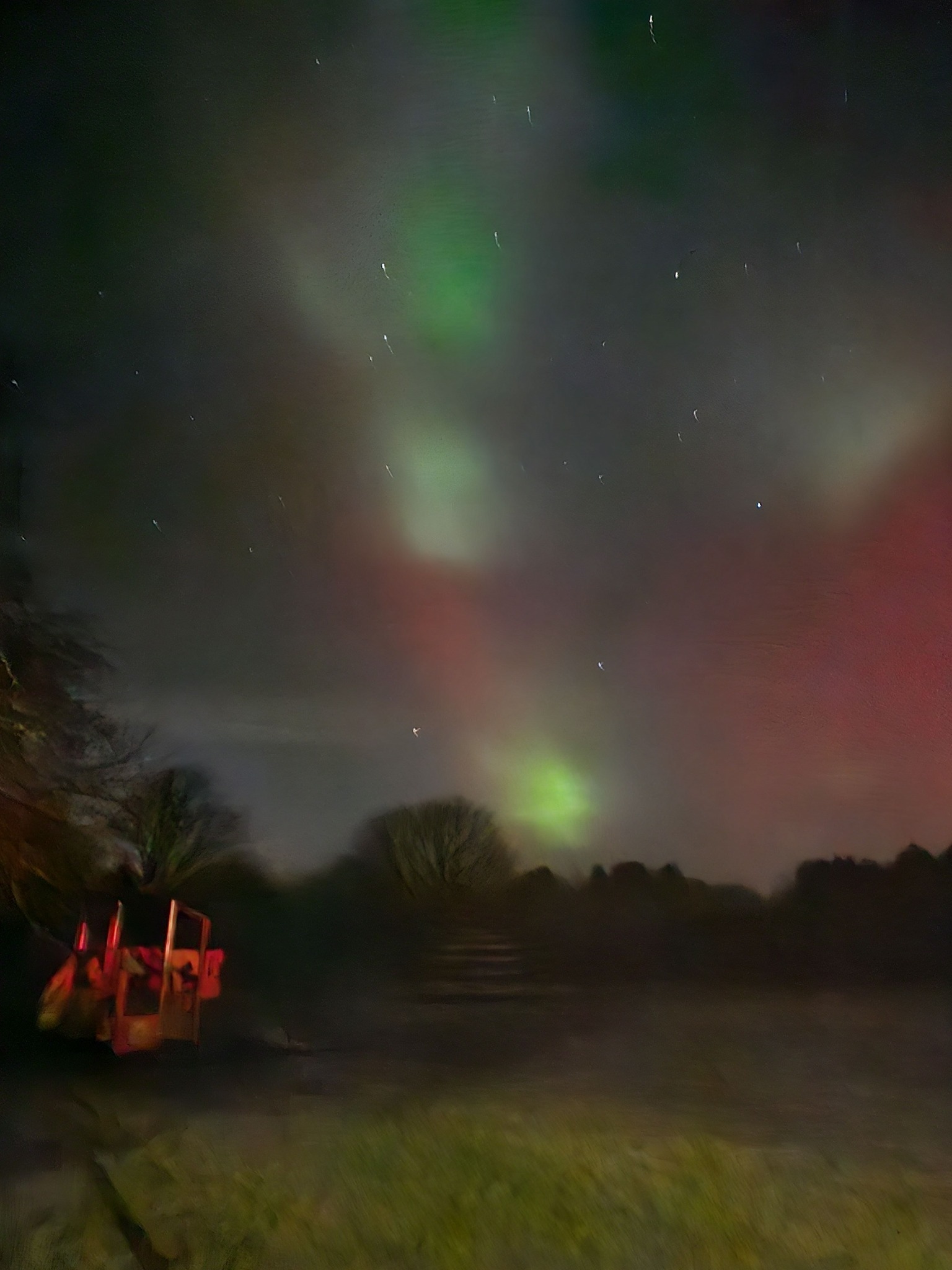
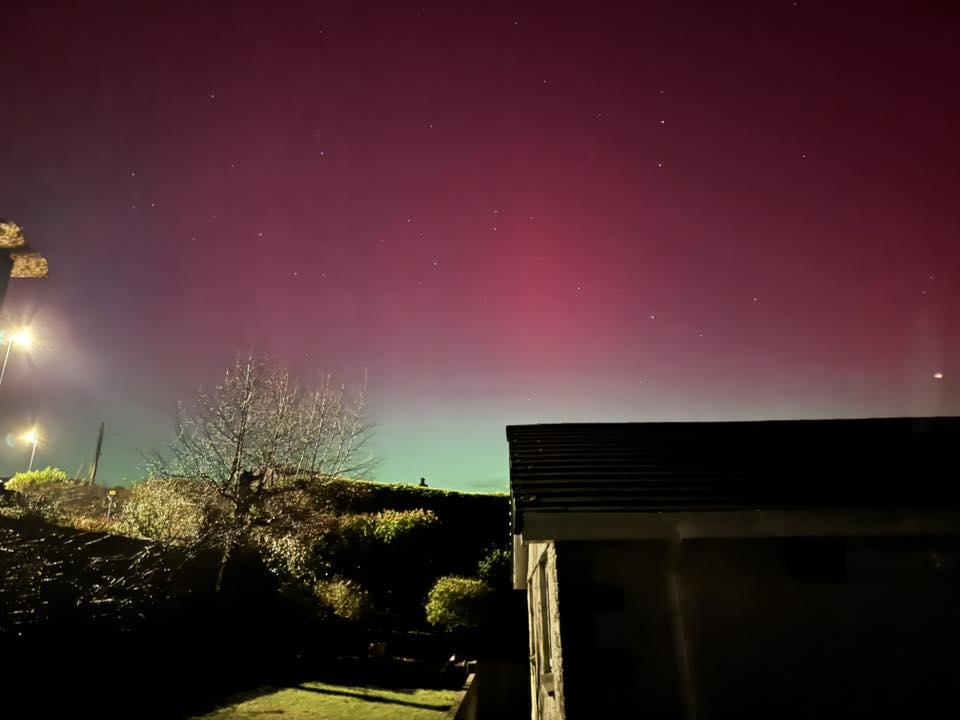
The lights, also known as Aurora Borealis, splashed vivid red, pink and green colours, which resulted in stunning images being captured.
The lights are the result of solar eruptions sending particles towards Earth and the subsequent interaction of those particles with the Earth's atmosphere.
-so-wished-street-light-were-off-Jill-S-Mitchell.jpeg?width=752)
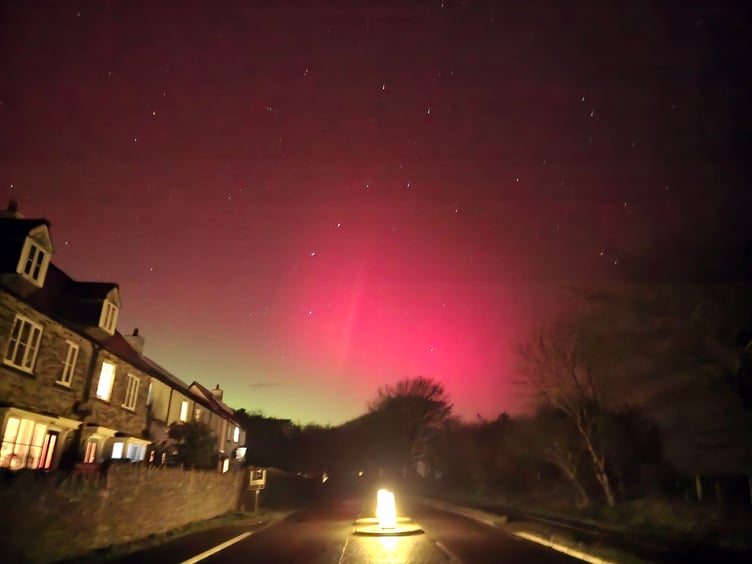
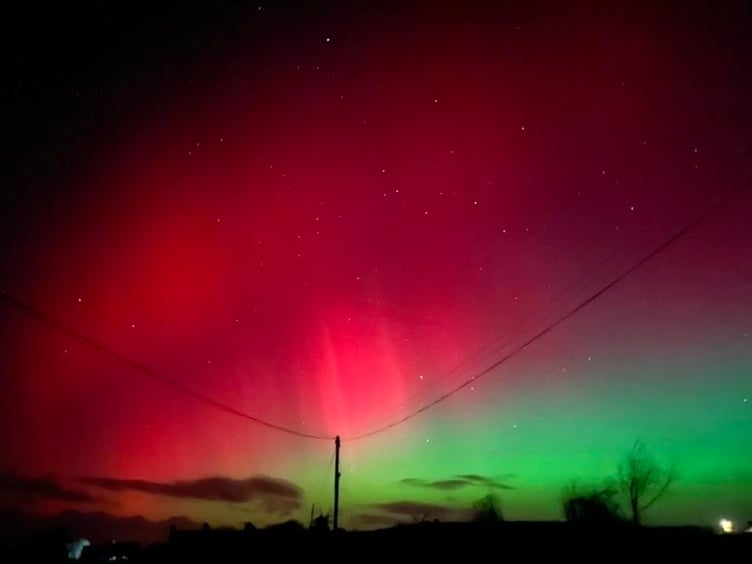
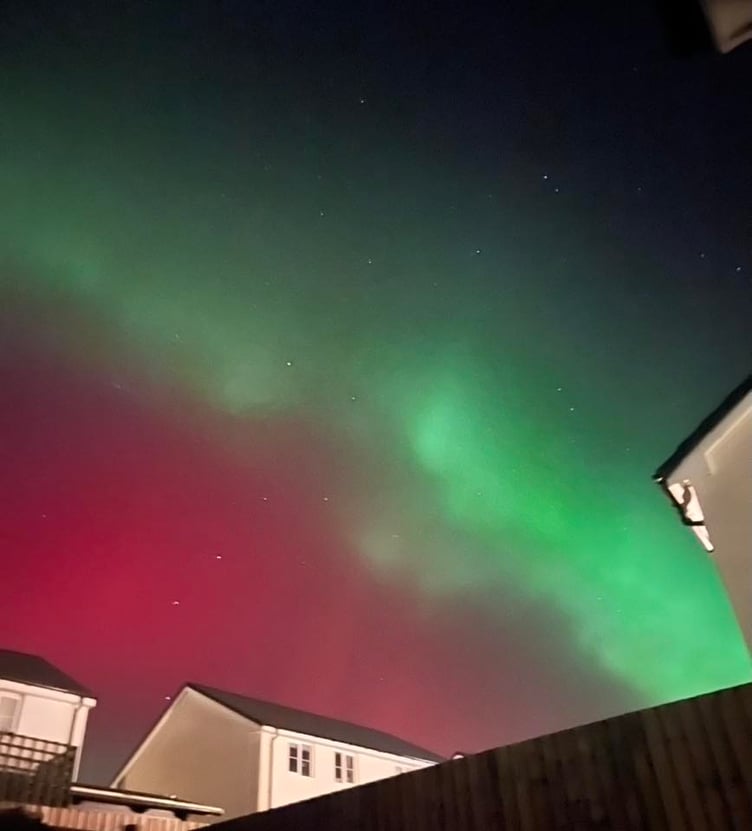
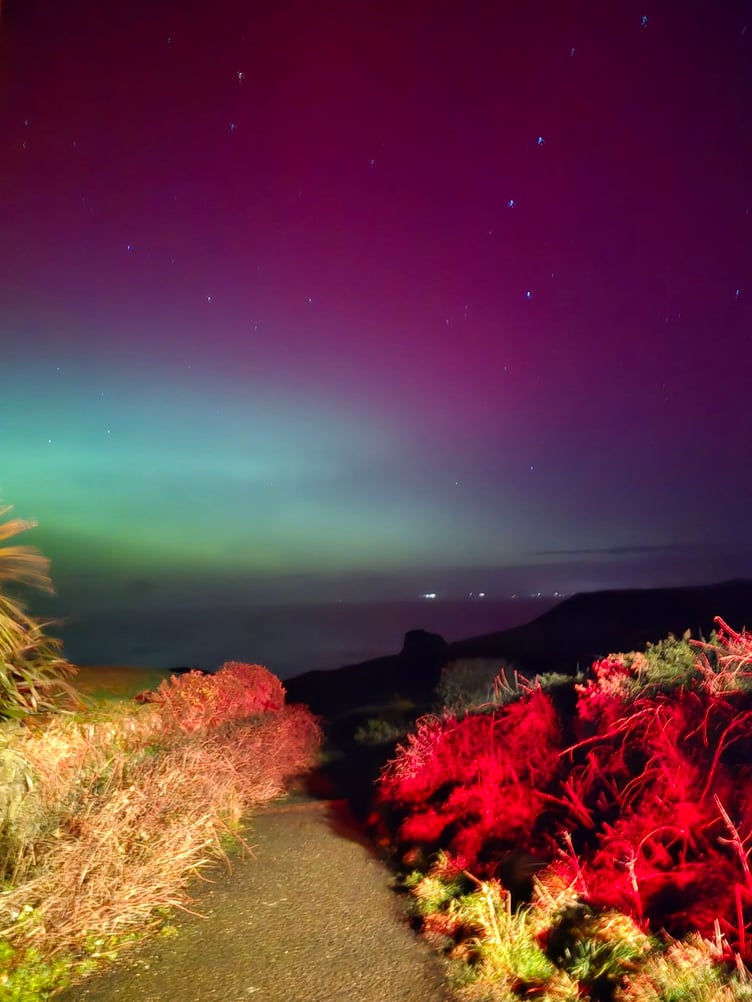
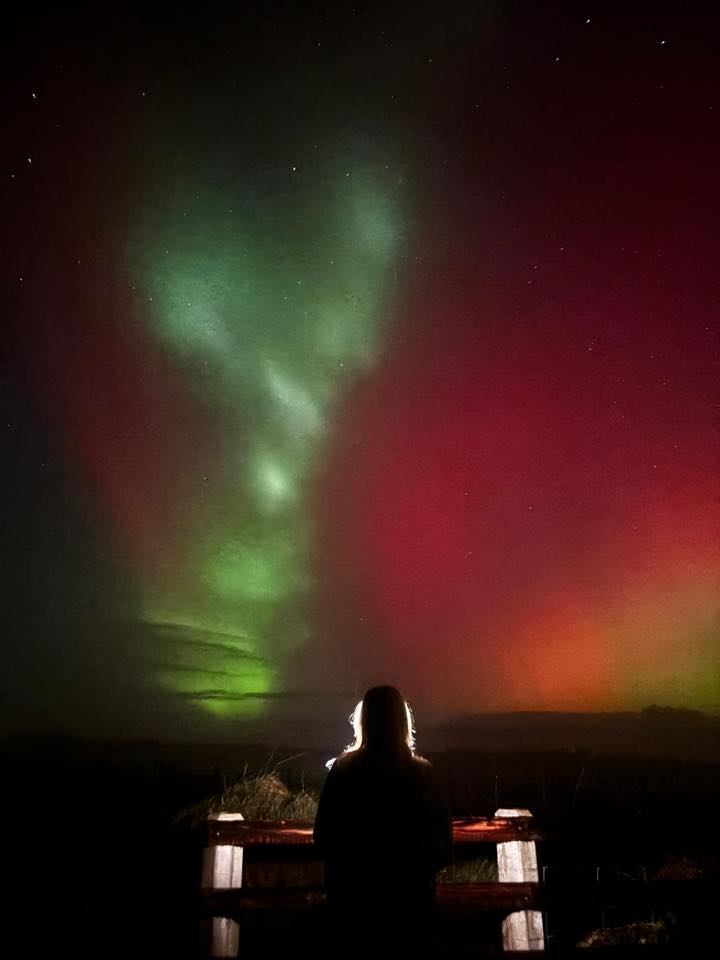
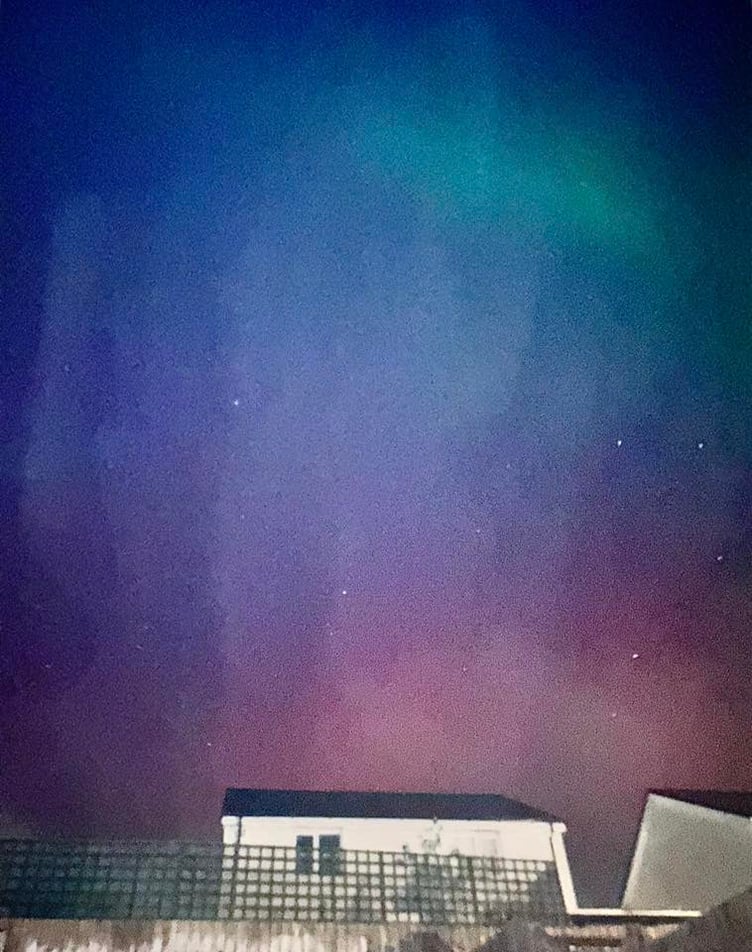
Roche. Picture: Gem Evely
Roche. Picture: Dita Von Bird
Bugle way. Picture: Stephen White
Picture: Debbie Anderson
Sticker Park. Picture: Becky Gribben
St Austell in the garden. Picture: Wendy Tubb
My garden in St Austell. Picture: Becky Gribben
St Stephen. Picture: Chrissy Farrell
Sandy Hill. Picture: Sarah Perring
Our Cornish Alp, The Sky Tip. Picture: Dita Von Bird
Bethel St. Austell (out of bedroom window). Picture: Jill S Mitchell
Lot of street lighting in the area, St Austell. Picture: Patricia Jones
Newquay. Picture: Monika Kujawa
Tregeare. Picture: Nicky Foulds
Picture: Debbie Anderson
Picture: Louise Quinn
Picture: Lindsey Tape
Picture: Debbie Anderson
Picture: Leah Coshall
Picture: Leah Coshall
Picture: Leah Coshall
Picture: Sophie Dart
Treween. Picture: Lisa Baker-Pannell
Picture: Lindsey Tape
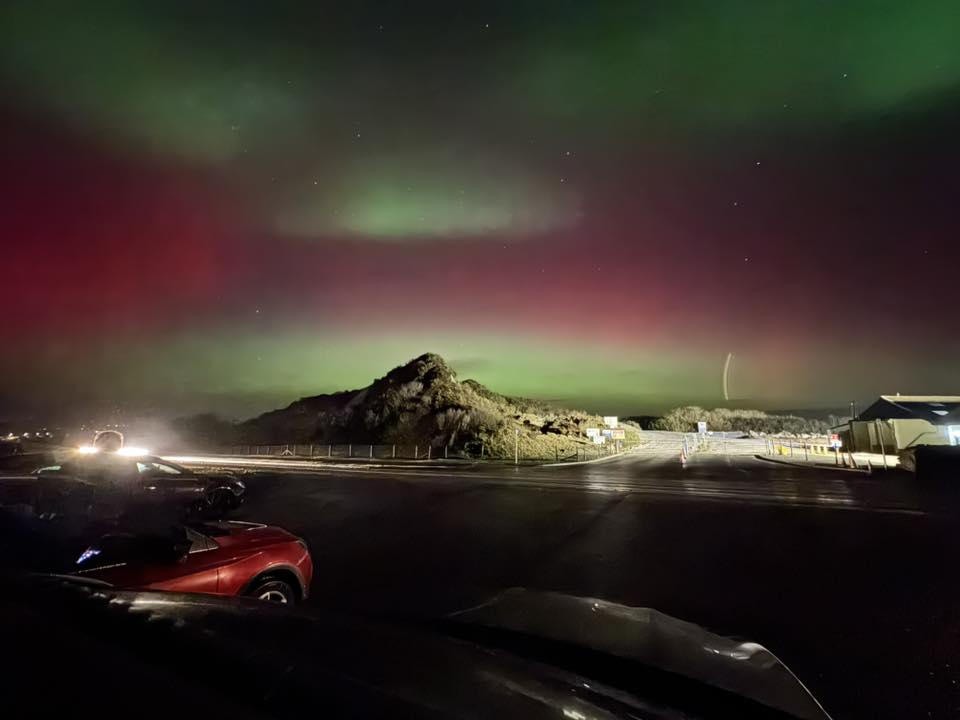
Roche. Picture: Gem Evely Gem Evely
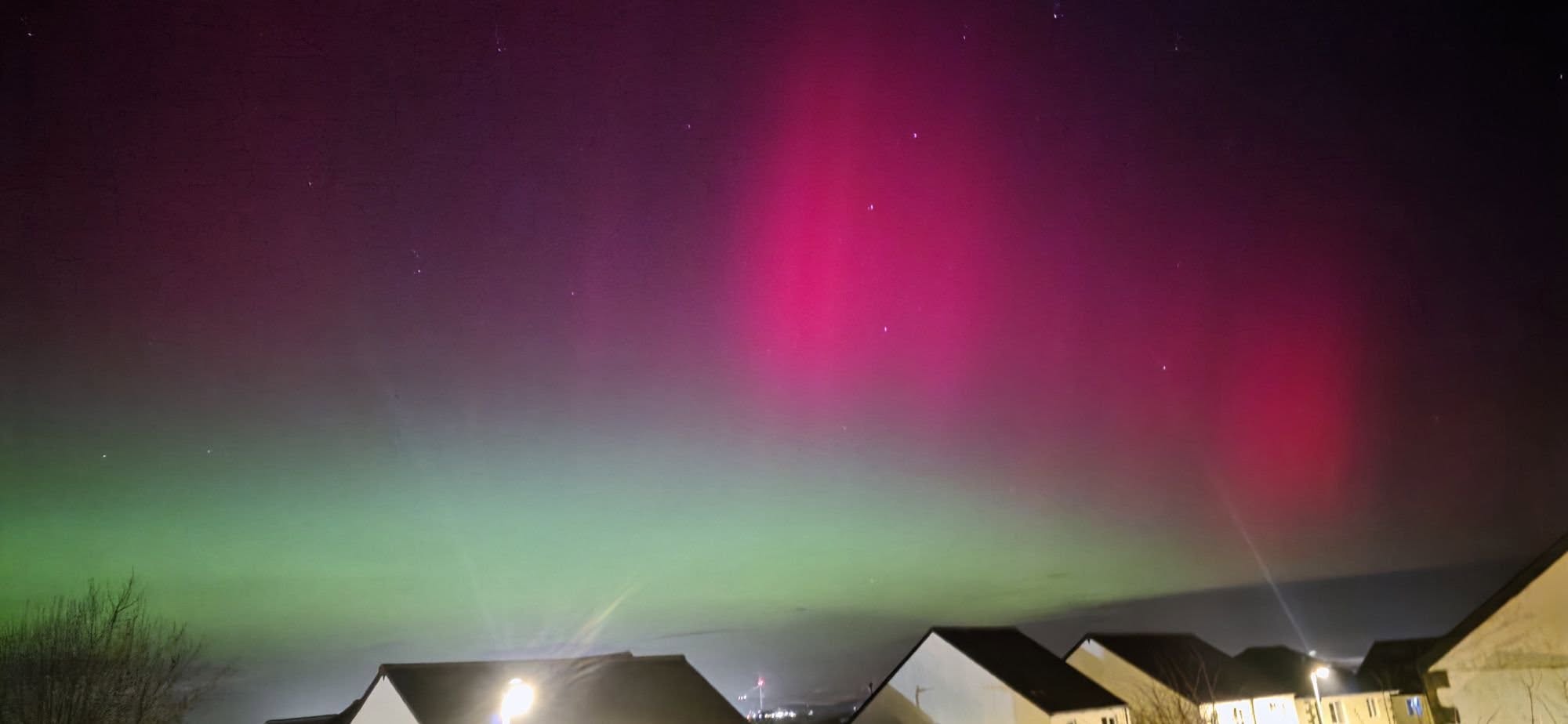
Roche. Picture: Dita Von Bird Dita Von Bird
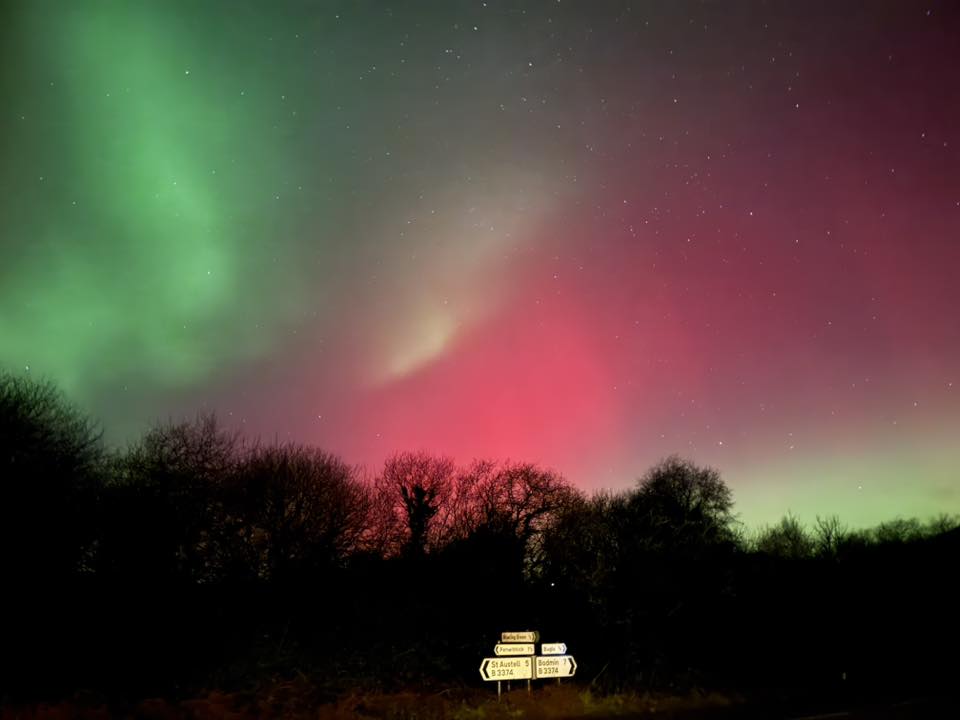
Bugle way. Picture: Stephen White Stephen White
Picture: Debbie Anderson Debbie Anderson
Sticker Park. Picture: Becky Gribben Becky Gribben
St Austell in the garden. Picture: Wendy Tubb Wendy Tubb
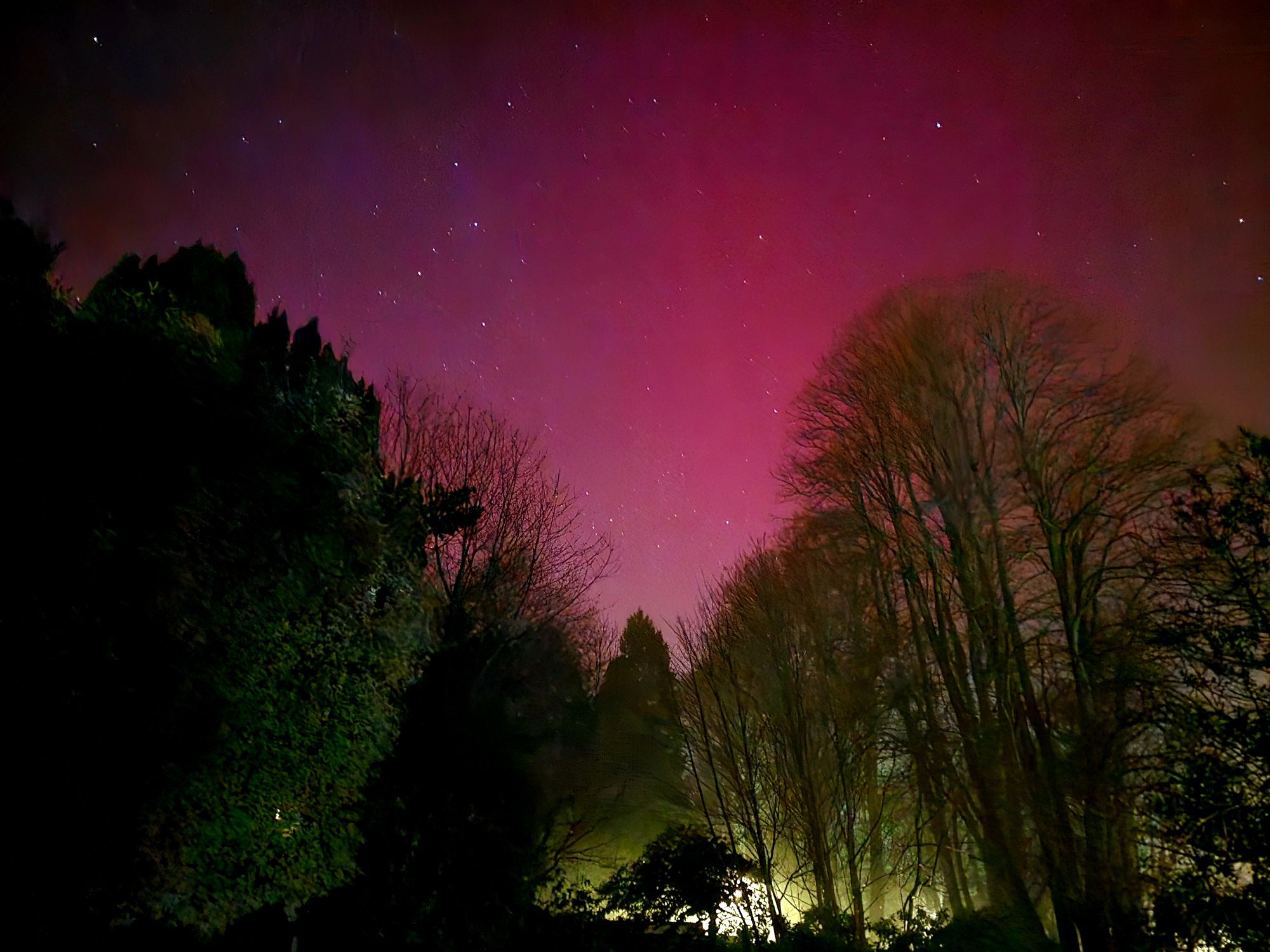
My garden in St Austell. Picture: Becky Gribben Becky Gribben
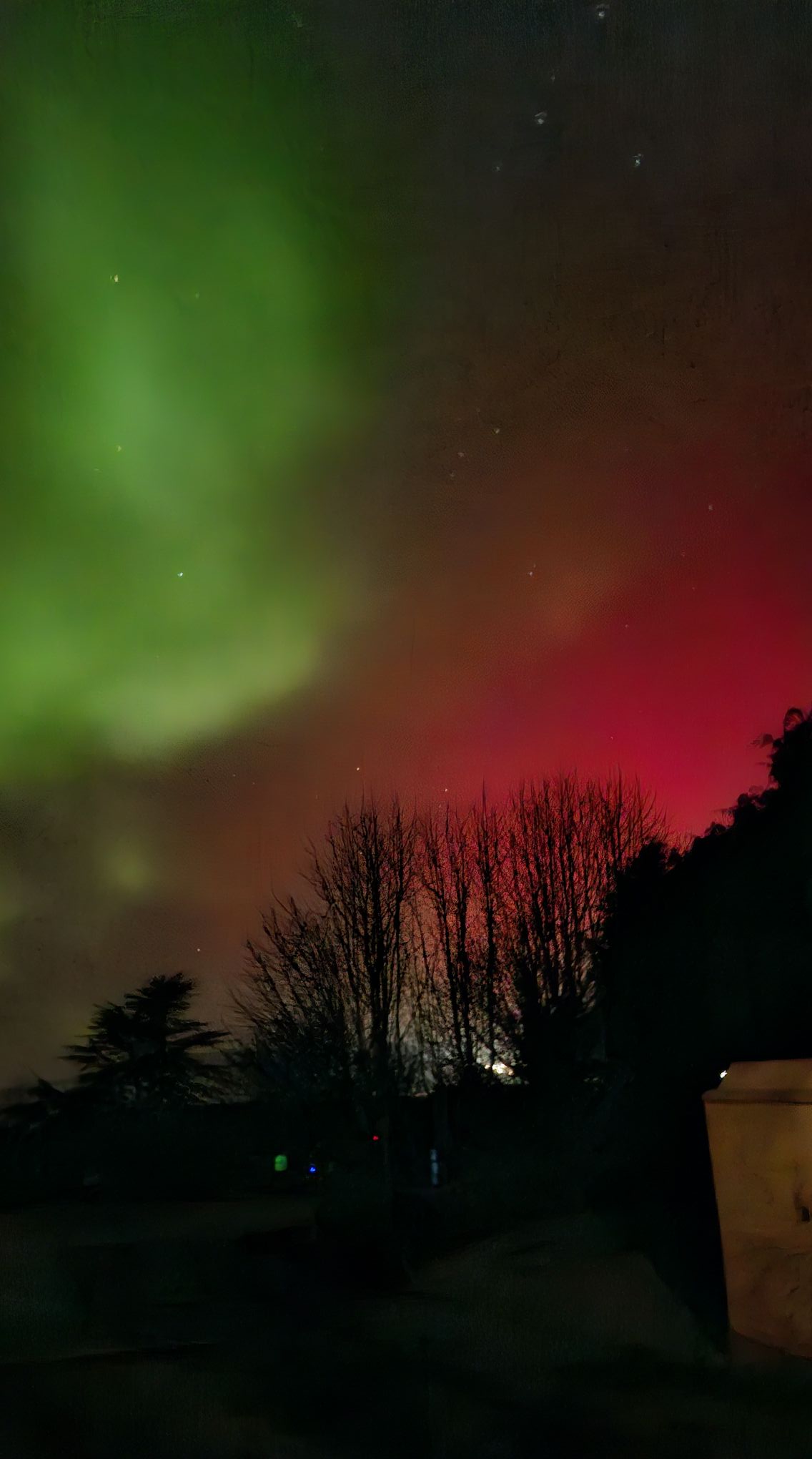
St Stephen. Picture: Chrissy Farrell Chrissy Farrell
Sandy Hill. Picture: Sarah Perring Sarah Perring
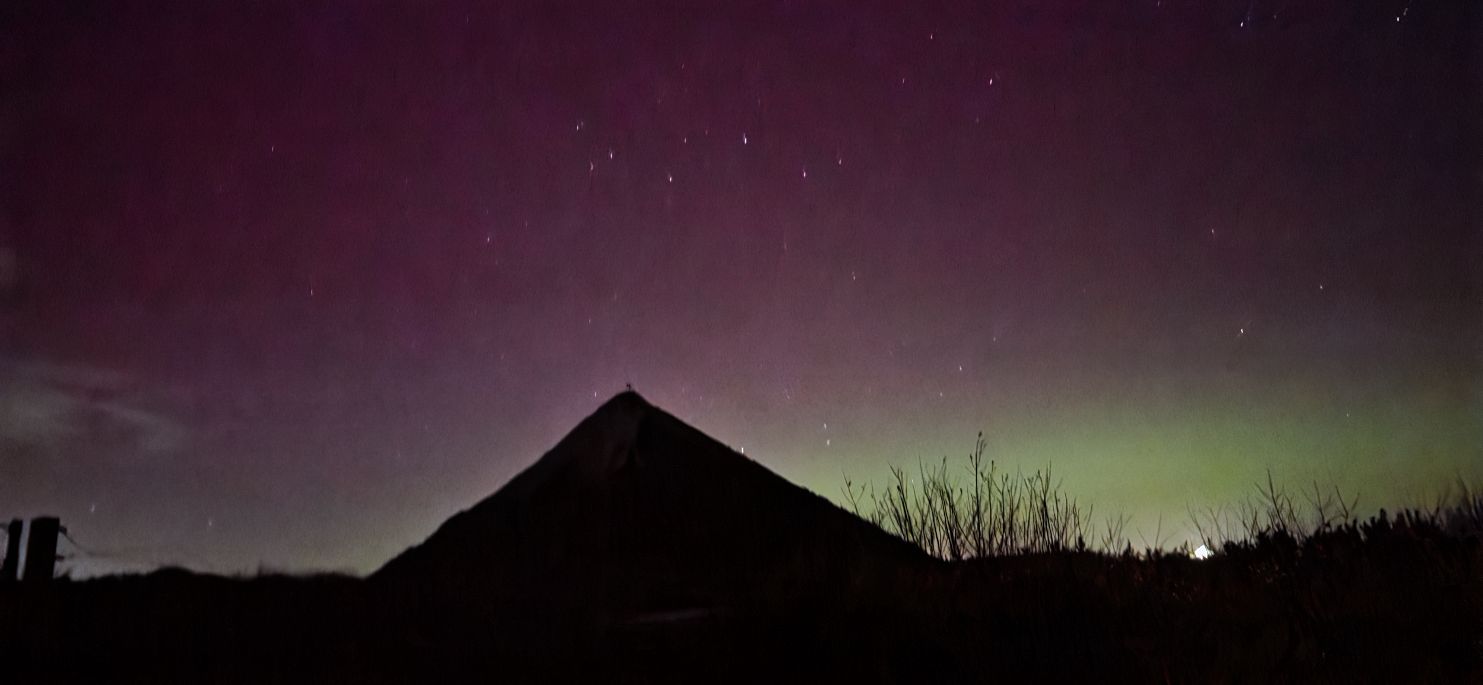
Our Cornish Alp, The Sky Tip. Picture: Dita Von Bird Dita Von Bird
-so-wished-street-light-were-off-Jill-S-Mitchell.jpeg)
Bethel St. Austell (out of bedroom window). Picture: Jill S Mitchell Jill S Mitchell
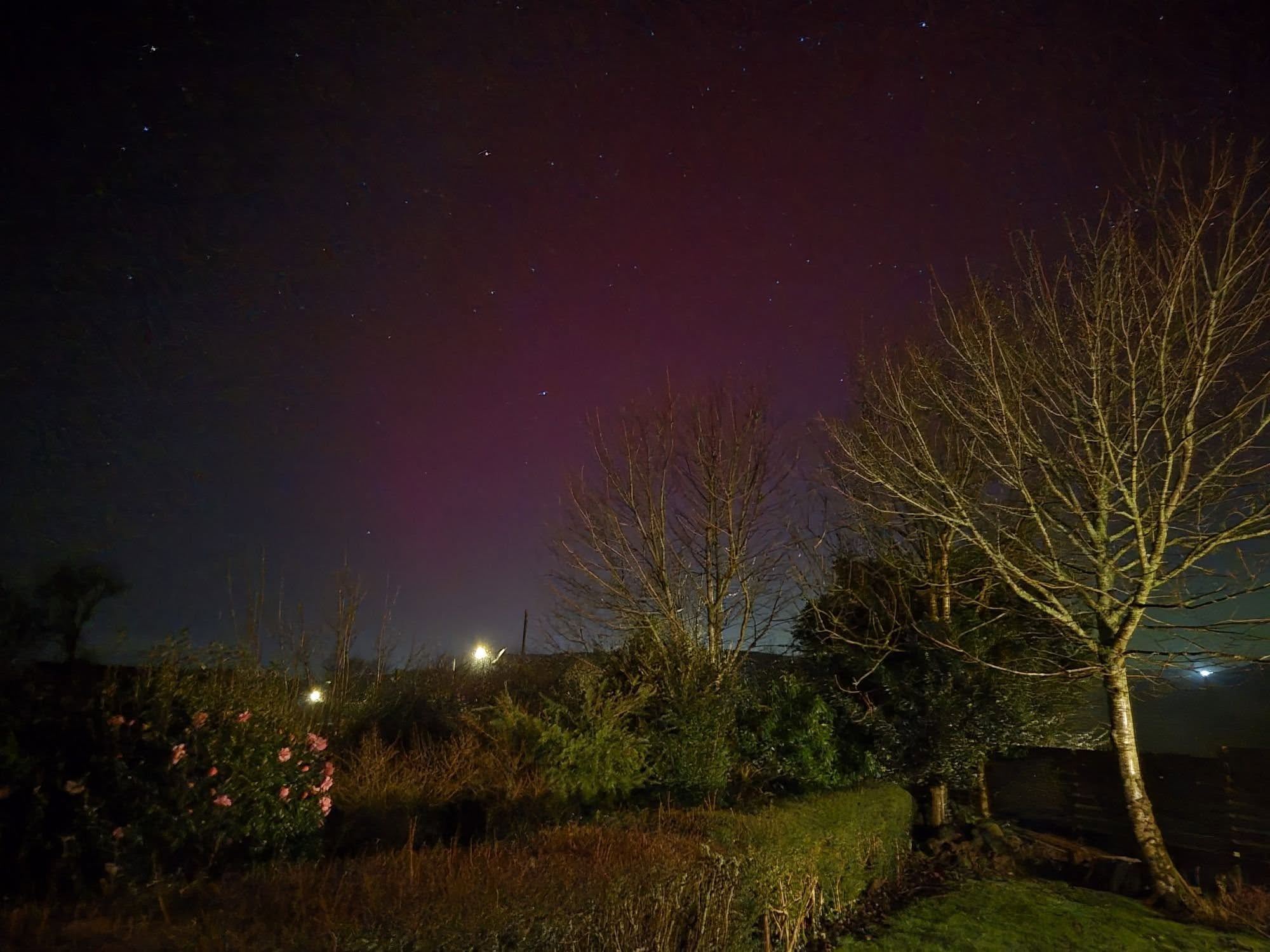
Lot of street lighting in the area, St Austell. Picture: Patricia Jones Patricia Jones
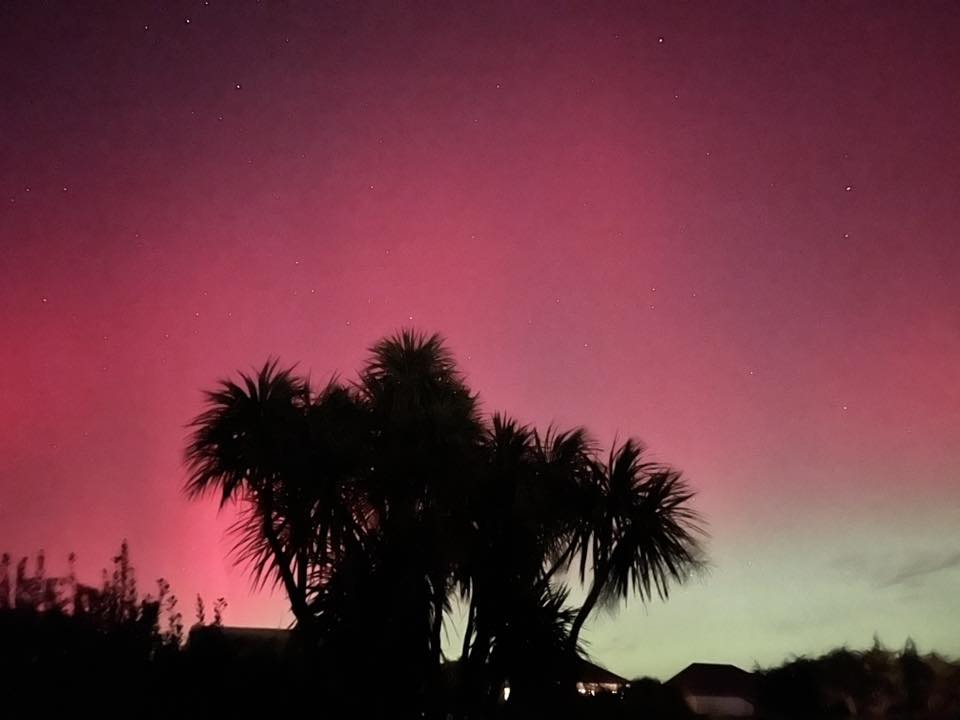
Newquay. Picture: Monika Kujawa Monika Kujawa
Tregeare. Picture: Nicky Foulds Nicky Foulds
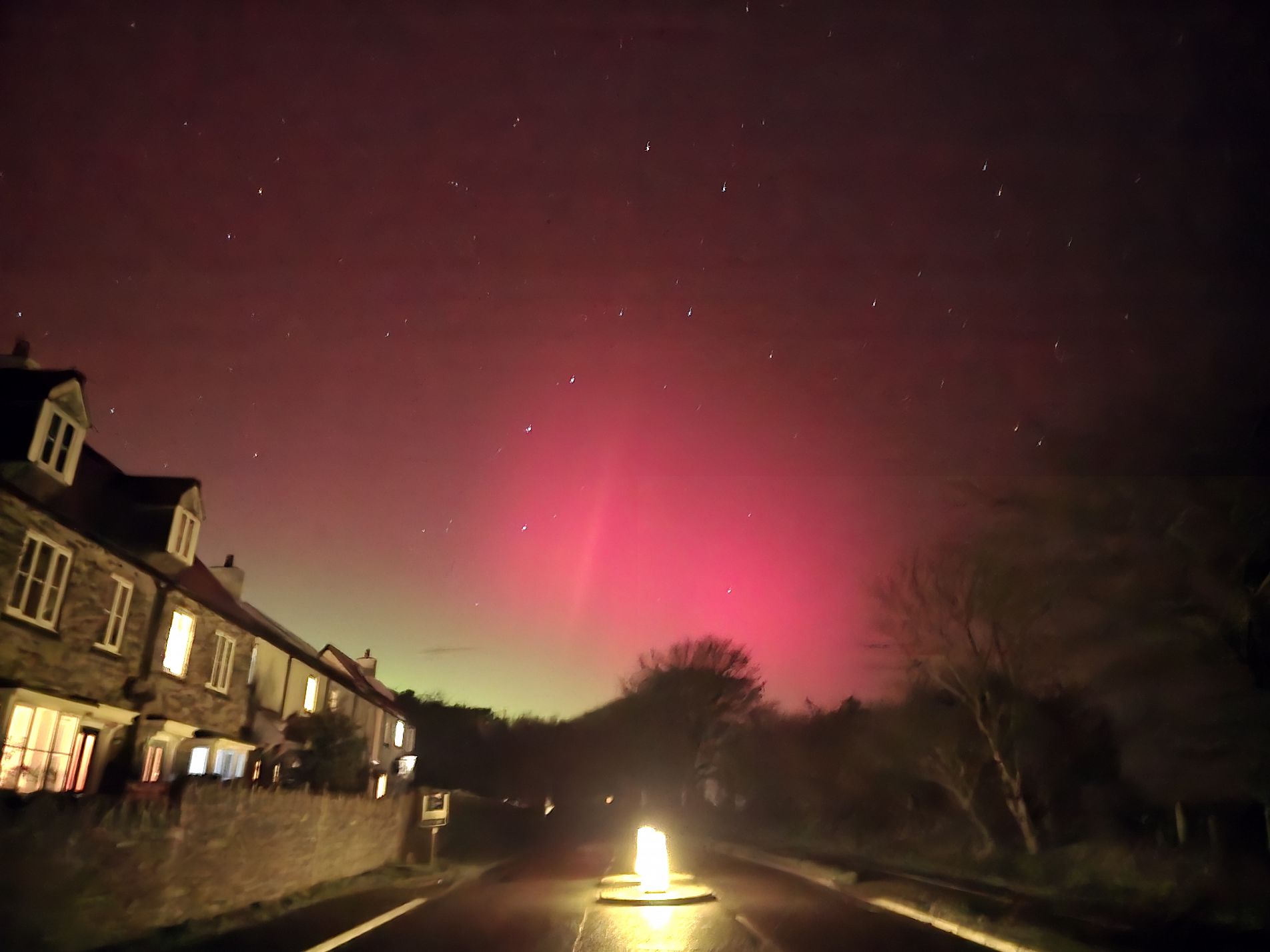
Picture: Debbie Anderson Debbie Anderson
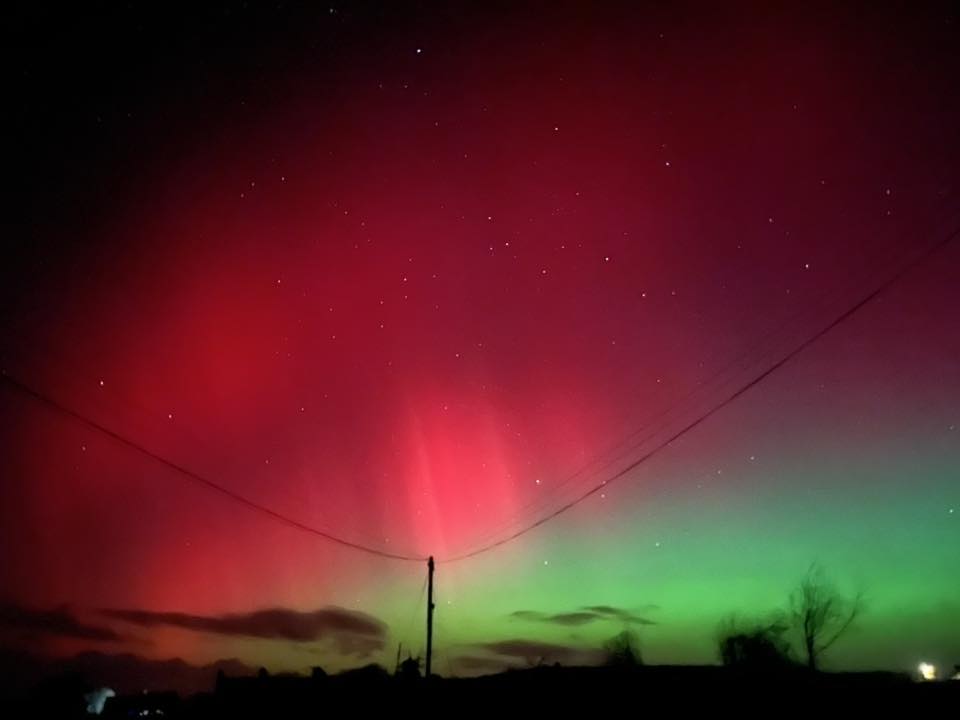
Picture: Louise Quinn Louise Quinn
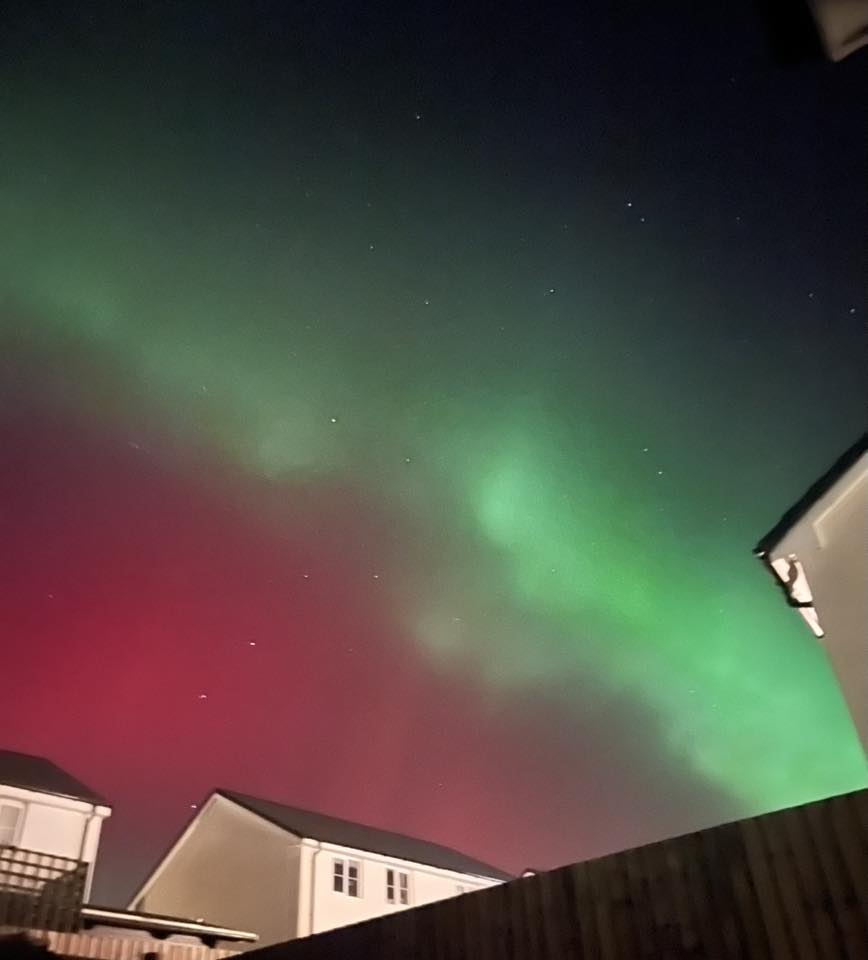
Picture: Lindsey Tape Lindsey Tape
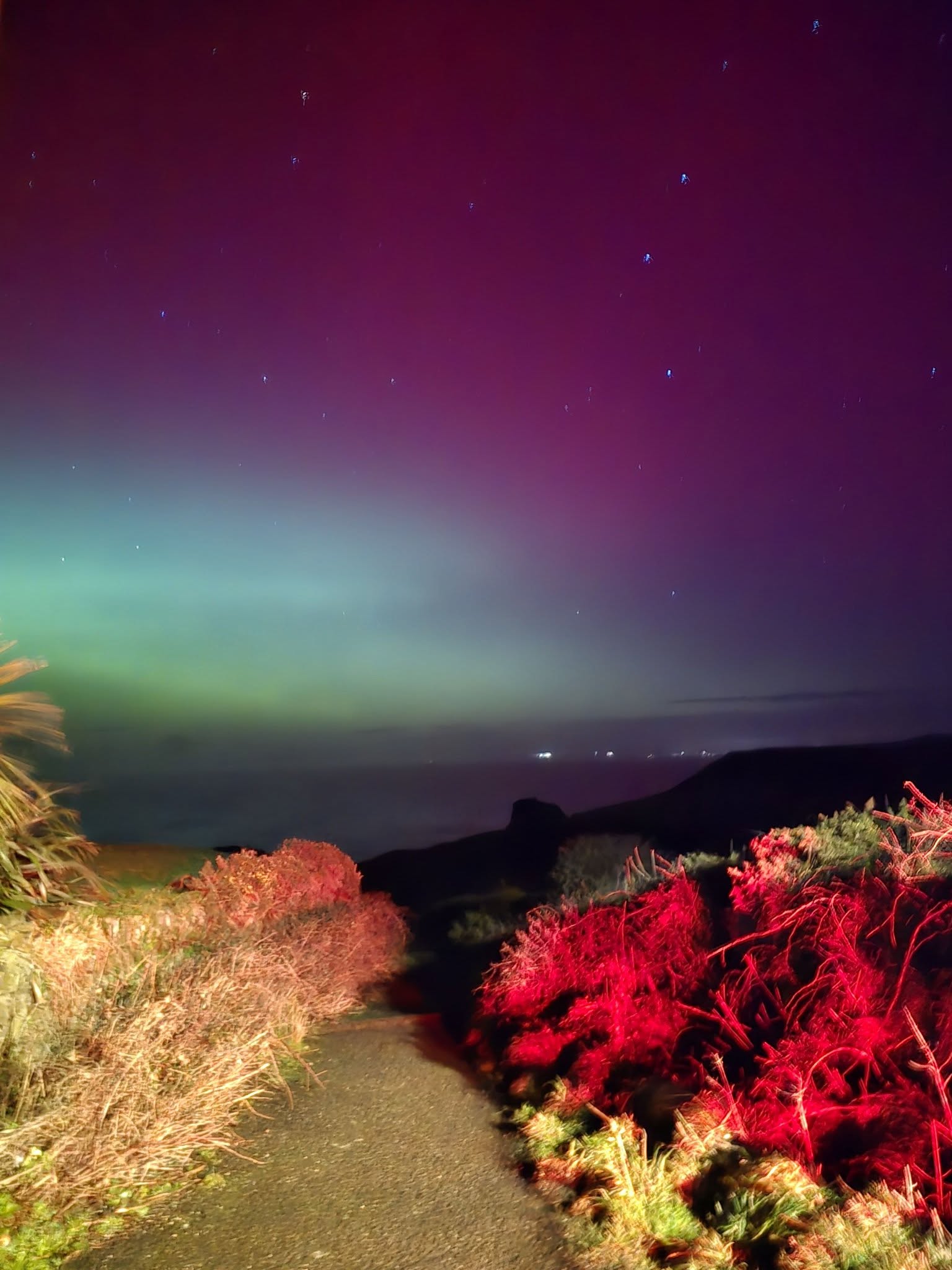
Picture: Debbie Anderson Debbie Anderson
Picture: Leah Coshall Leah Coshall
Picture: Leah Coshall Leah Coshall
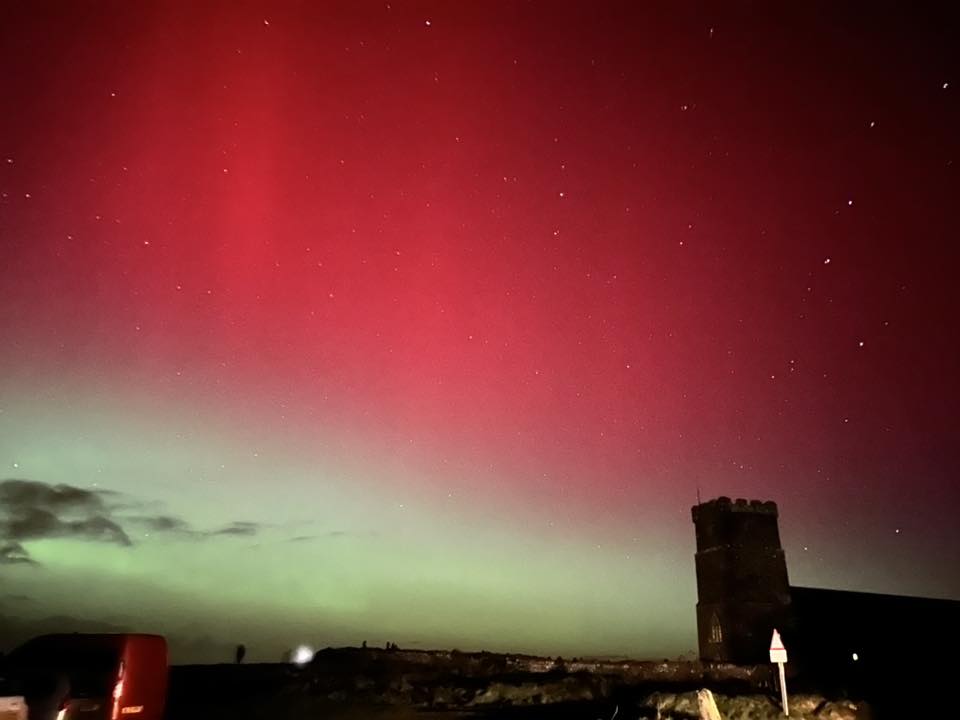
Picture: Leah Coshall Leah Coshall
Picture: Sophie Dart Sophie Dart
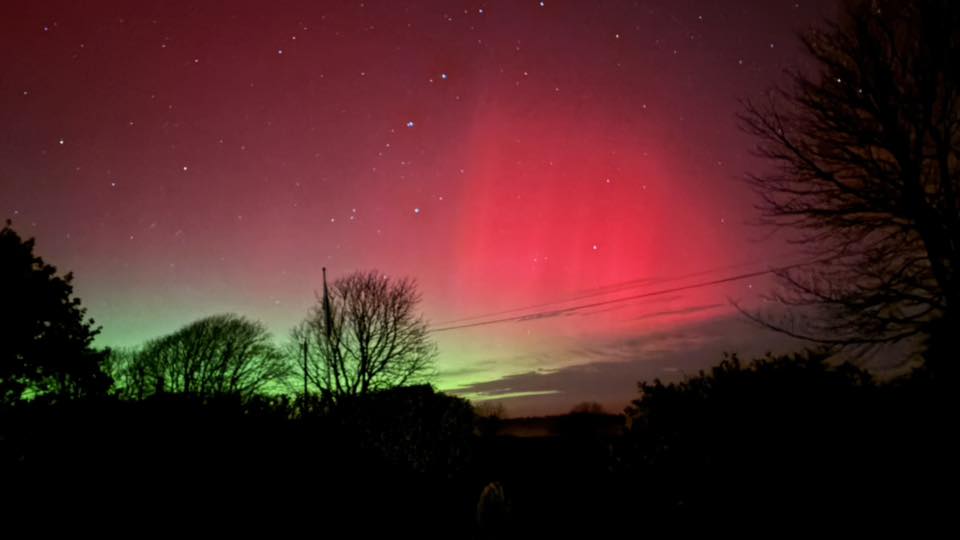
Treween. Picture: Lisa Baker-Pannell Lisa Baker-Pannell
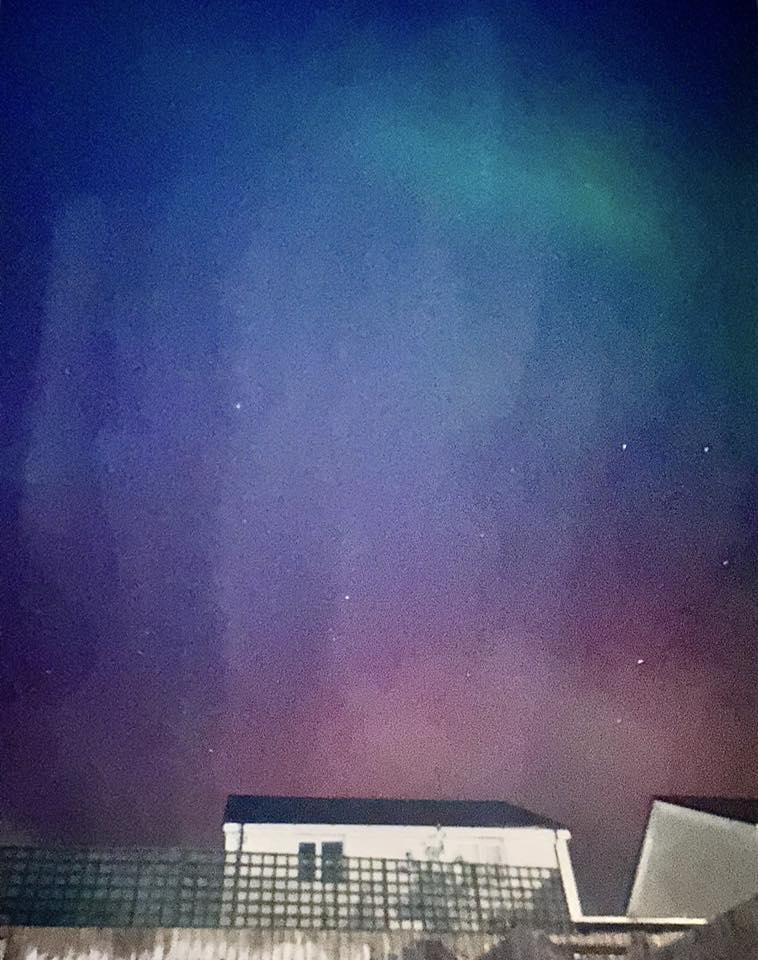
Picture: Lindsey Tape Lindsey Tape
Meteorologists advise a long exposure camera is used to capture the auroras, as the phenomenon is not always visible with the naked eye.
What used to be a once-in-a-lifetime event for people to see it in the UK – or a bucket list trip to the Arctic circle – has become more common in the last couple of years.
The reason for this was explained by the Met Office, who added: “The Sun goes through an 11 year solar cycle, from solar minimum, through solar maximum and back to solar minimum. Solar maximum occurred in early 2014 so we are now in the declining phase of the solar cycle.
“During this phase the position of coronal holes on the Sun's equator give rise to high speed solar wind streams that buffet the Earth, disturbing the Earth's magnetic field and increasing the likelihood of auroras. In other parts of the solar cycle these disturbances are largely the result of coronal mass ejections, which can give larger magnitude disturbances than these high speed streams.”
.jpeg?width=209&height=140&crop=209:145,smart&quality=75)
Comments
We've recently changed our login process. If you have an account for commenting, you will need to re-register on the login window.
This article has no comments yet. Be the first to leave a comment.