
Dear Editor,
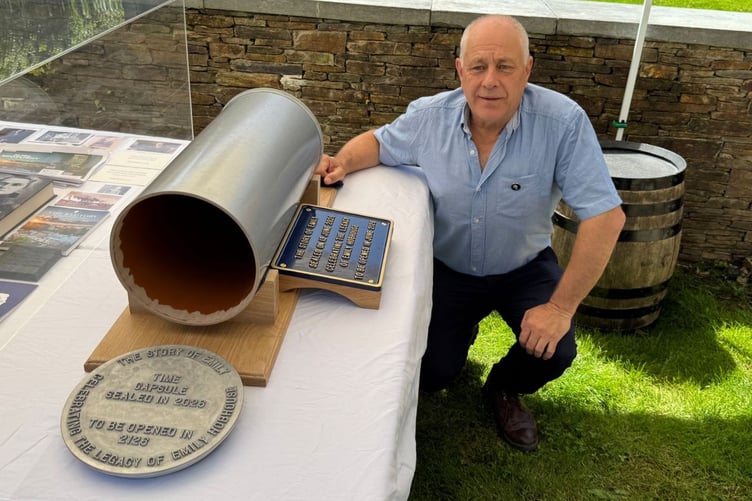
On June 13, a special gathering was held at The Story of Emily to mark the centenary of the death of Emily Hobhouse, the British humanitarian and peace campaigner whose work exposed the suffering of women and children in the concentration camps of the South African War.
It was a privilege to attend this commemorative event and to join others in remembering one of Cornwall’s most remarkable daughters. Born in the hamlet of St Ive, near Liskeard, Emily Hobhouse dedicated her life to humanitarian causes and the pursuit of justice.
The event offered visitors a deeper understanding of Emily’s life, struggles, determination and enduring legacy. During the South African War, her investigations into conditions within the concentration camps helped transform public understanding of the conflict and contributed to improvements in camp conditions.
.jpeg?width=209&height=140&crop=209:145,smart&quality=75)

She was a woman ahead of her time who sacrificed much in her efforts to alleviate suffering and improve the lives of those affected by war.
In a speech written for the unveiling of the National Women's Monument in Bloemfontein on 16 December 1913, Emily Hobhouse wrote:
"Liberty is the equal right and heritage of every child of man, without distinction of race, colour or sex..."
These powerful words reflected the values that guided her throughout her life. They expressed her belief in equality, justice and human dignity at a time when such principles were far from universally accepted.
Today, societies across the world continue to confront issues of discrimination, inequality and human rights. Emily's belief that liberty belongs to every person, regardless of race, colour or sex, remains a principle worth defending.
As we mark one hundred years since her death, Emily Hobhouse's legacy is not confined to history. Her courage, compassion and commitment to humanity continue to inspire new generations. For Cornwall, she remains a source of particular pride.
Barry West
Cornish Historian
Comments
This article has no comments yet. Be the first to leave a comment.