

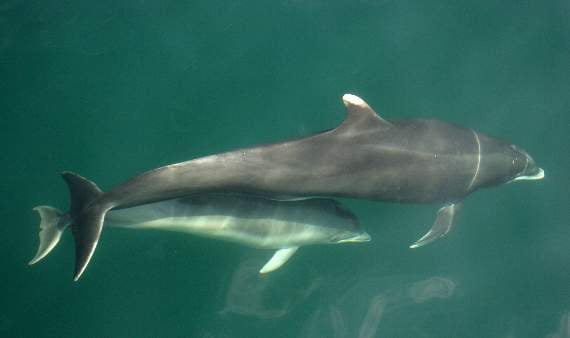
SEA Watch’s National Whale and Dolphin Watch begins tomorrow (Saturday 25 July) and members of the public in Cornwall are being asked to take part if they can.
’Collecting data about our resident cetaceans has never been more important,’ said a Sea Watch Foundation spokesperson.
’Rising sea surface temperatures and human activities have been impacting marine species in the British waters for many years now. The recent lockdowns most certainly have had an effect on marine species which is also worth investigating.’
Last year’s Watch revealed an impressive 13 separate species of whales and dolphins in British waters, and the highest (over 2,000) ever recorded number of cetacean sightings.



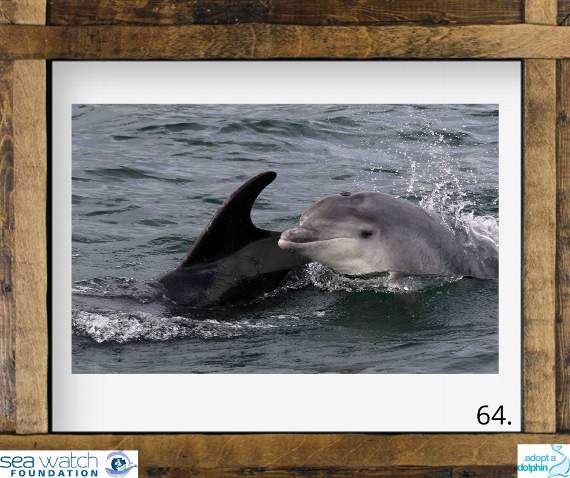
Just in recent days, a rare North Atlantic Right Whale was spotted from a ship travelling between Scotland and Spain. And it’s recently been confirmed that Cornwall has its own pod of resident bottlenose dolphins, after lengthy research by the Cornwall Wildlife Trust. The charity Adopt a Dolphin said: ’ This is very exciting news, and we want to try to raise awareness of cetaceans by installing information boards in cetacean-rich areas.
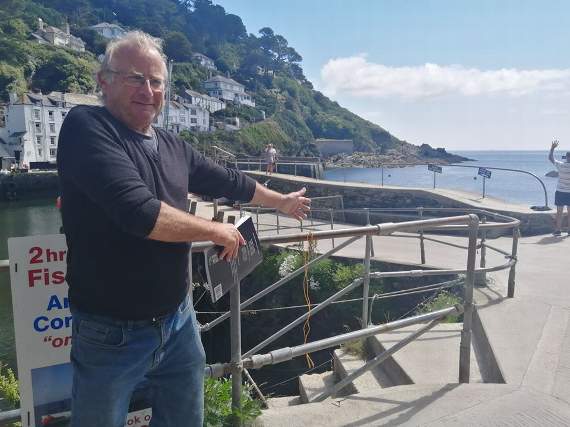
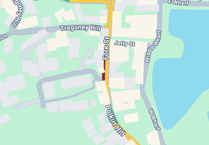
’We’ve just had the go ahead for our first board which has been given pride of place in Polperro by Harbourmaster Ollie Puckey.’Several harbourmasters around Cornwall are keen to have the boards, which would provide information on what people can see, where and when (with maps), photos and tips for how to identify the different species, and information on how to report the sightings.
Director of the Sea Watch Foundation Dr Peter Evans said: ’There have in fact been a lot of dolphin sightings in the Southwest over the last week or two - pods of common dolphins along the south coast but also off St Ives; Risso’s dolphins in West Cornwall (Mounts Bay and NW of St Ives); and further east, a large pod of around 100 common dolphins and a fin whale off the south Devon coast.
’And the group of bottlenose dolphins that ranges along the coast of Cornwall and south Devon continue to be seen.’
The week-long Whale and Dolphin Watch event allows Sea Watch, a charity which has been running for 30 years, to take direct action to protect species. Sea Watch Foundation studies of bottlenose dolphins helped lead to two areas in Cardigan Bay being recommended as Special Areas of Conservation (SAC) for the species.
No previous experience is needed to take part in the Whale and Dolphin Watch: anyone who is in the UK and near the sea during the event and wants to help can. All that people need to take part is safe access to the coast, patience, a lot of enthusiasm, binoculars, a copy of the Sea Watch recording forms and a cetacean identification guide (downloadable from the Sea Watch website).
’The most memorable sightings from last year’s Watch week included humpback whales in Cornwall and the Outer Hebrides, Northern bottlenose whales in the Inner Hebrides, beaked whales off the Isle of Tiree in the Inner Hebrides, fin whales in the Outer Hebrides, and large pods of Atlantic white-sided dolphins off Freester in Shetland,’ said sightings officer Dr Chiara Giulia Bertulli.
While Scotland recorded the highest number of sightings overall, in England, the greatest number of sightings was collected in the South around Cornwall and South Devon.
The team at Sea Watch is offering online training and advice on how to take part in this year’s Watch, and sponsors have also donated amazing prizes for people who participate in the NWDW watches.
Visit https://www.seawatchfoundation.org.uk/nwdw/ for details, or contact [email protected].