

Photographer Ray Roberts does not have to stray too far from home to find bugs, beetles and intriguing plants of all sorts in this week’s Nature Watch walk....
I don’t know what it is about our front door, which is situated in a square, covered in alcove, but it always attracts moths, spiders and crane flies overnight and they all remain on the walls during the following morning.
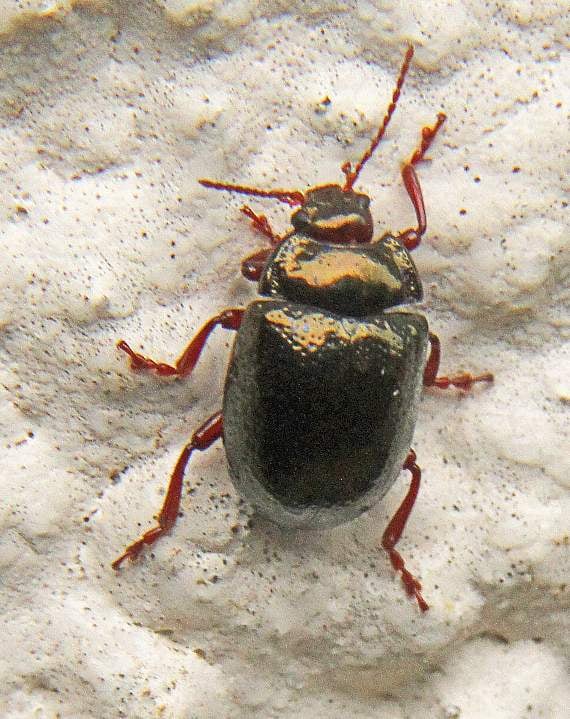
Last week there was a large house spider halfway up the wall. Now, I don’t know whether it was waiting for the door to be opened so it could run indoors or, if it was just waiting for the rain to stop. I also noticed a small mint beetle about 10mm in length, clinging to the wall. As its name suggests this shiny green beetle lives on the leaves of garden mint and other related plants and is one of a group, known collectively as leaf beetles.
After it had finished raining, I took a walk over through one of the corn stubbled path-fields which was greening over with weeds whilst waiting for the plough. There were a lot of perennial or field sow thistles – Sonchus arvensis - dotted around the field and were sporting their yellow flowers. Some of the plants were a metre high and I thought when the field is ploughed a lot of the seeds of these thistles will be left on the surface.

.jpg?width=209&height=140&crop=209:145,smart&quality=75)
.jpg?width=209&height=140&crop=209:145,smart&quality=75)

Their leaves have been eaten as a vegetable since way back and are still used to make a vegetable soup, or, once the spiny leaf edges have been trimmed off, they can be added to a salad. It is thought the name derives from sows eating the leaves to increase milk yield after giving birth to a litter of pigs. The plentiful hogweed plants are also enjoyed by pigs.
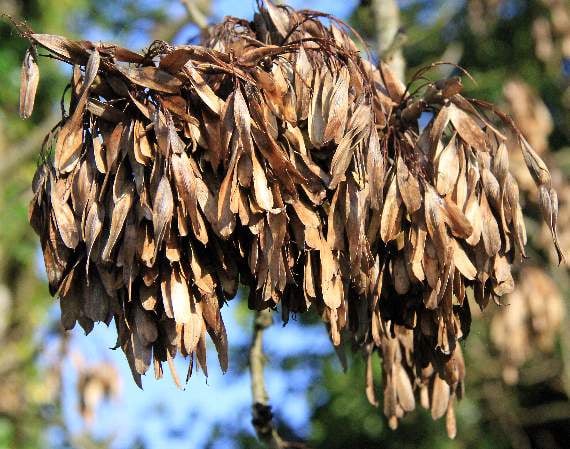
I still love to walk around the hedges of fields and noticed that ash trees have their seeds, or keys, hanging on their branches. When these are wind- blown off the tree, they take root wherever they fall. A bit like sycamore seeds in that respect, anywhere they can find a bit of soil, be it in a field, garden or roadside bank, they will flourish.
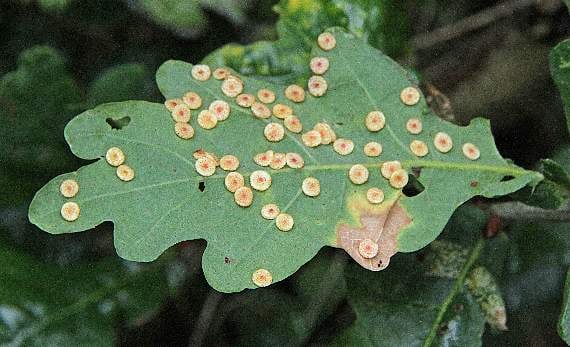
Lots of leaves on the small oak trees on the hedge were covered with round disc-like galls on their undersides, 3mm to 4mm wide. These are spangle galls caused by the larvae of a tiny gall wasp – Neuroterus quercusbaccarum – that laid its eggs on the leaf. The galls fall to the ground, before the oak leaves drop and the larvae overwinter on the soil before emerging as wasps in the spring.
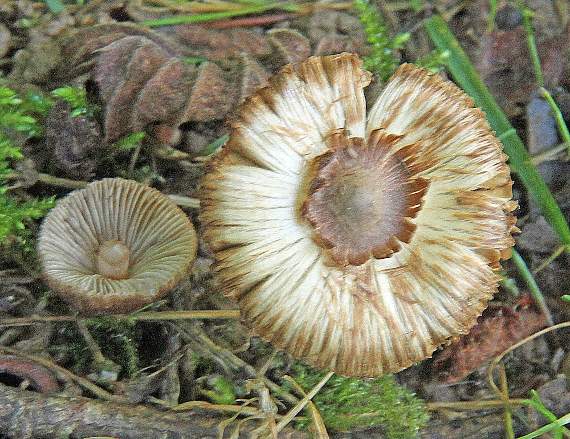
Growing in the hedge creep was a Japanese umbrella toadstool about 30mm wide. Unfortunately, it was quite mature and had sunk down on its thin stalk, but when they first erupt from the ground, they are very picturesque and do look like miniature umbrellas.
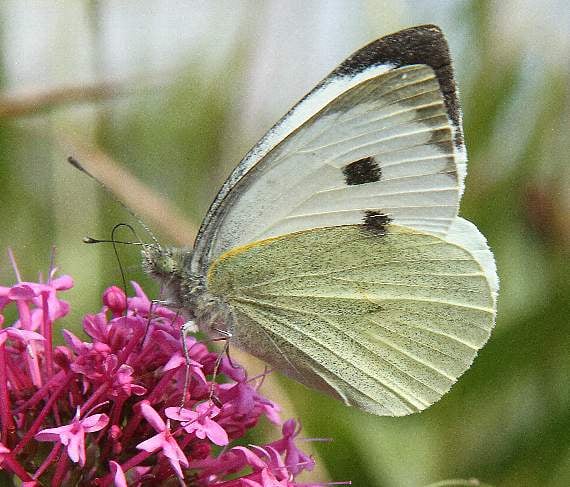
Walking home I was passing someone’s front garden and saw a large white butterfly feeding on a flower. Lovely to see as butterflies will not be around for much longer this year.