
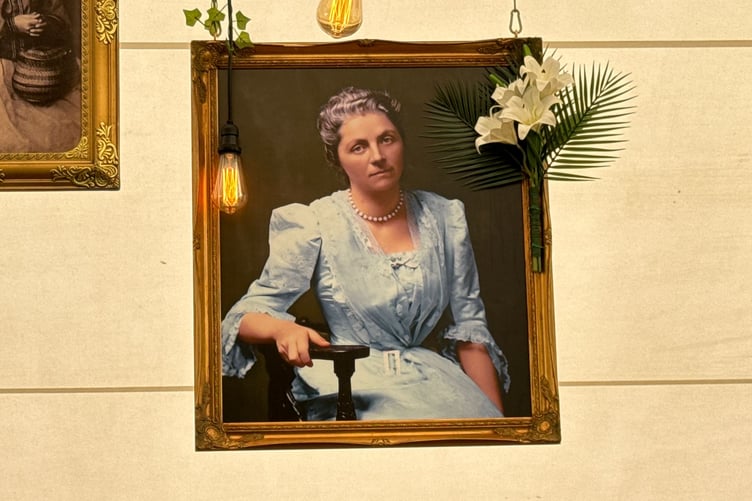
A CORNISH village has come together to mark 100 years since the death of humanitarian campaigner Emily Hobhouse, with a commemorative gathering celebrating the life of one of the parish’s most influential daughters.
The special event at “The Story of Emily” exhibition at St Ive, near Liskeard, brought visitors, historians and locals together to reflect on her life and legacy in the place where she was born and raised.
Cornish-born Emily is remembered internationally for exposing the suffering of women and children held in British-run concentration camps during the Boer War, a campaign that challenged establishment opinion and brought humanitarian concerns into the public spotlight.
.jpeg?width=209&height=140&crop=209:145,smart&quality=75)

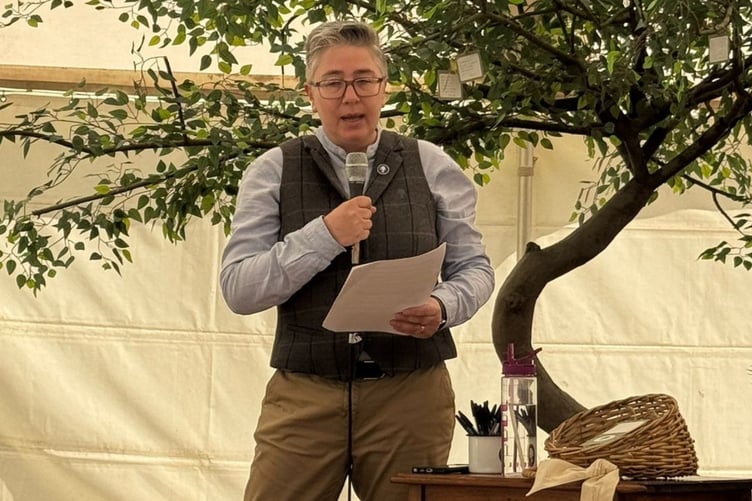
Award-winning biographer Elsabé Brits welcomed guests and shared insights into her journey, helping to challenge long-held misconceptions about her later years while highlighting her lasting impact on global humanitarian thinking.
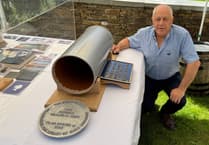
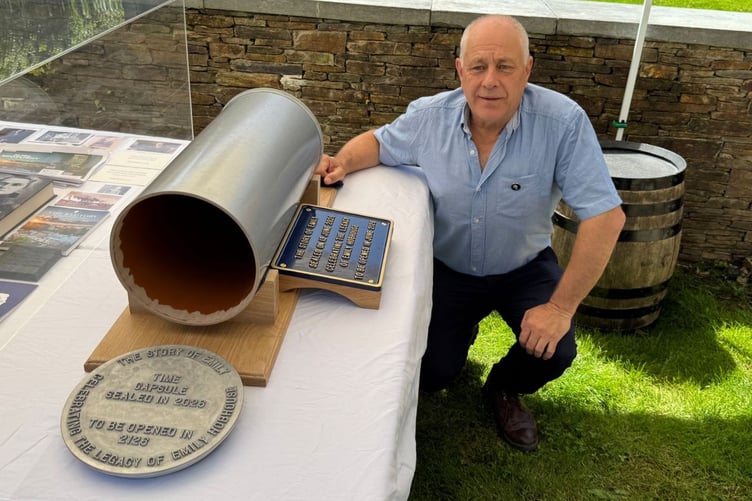
Throughout the day, visitors took part in guided tours of the historic Rectory and War Rooms, while a commemorative time capsule was also sealed, intended to preserve reflections on her legacy for future generations.
In the grounds, an elder tree was planted in her memory, alongside the unveiling of a new plaque marking the centenary of her death.
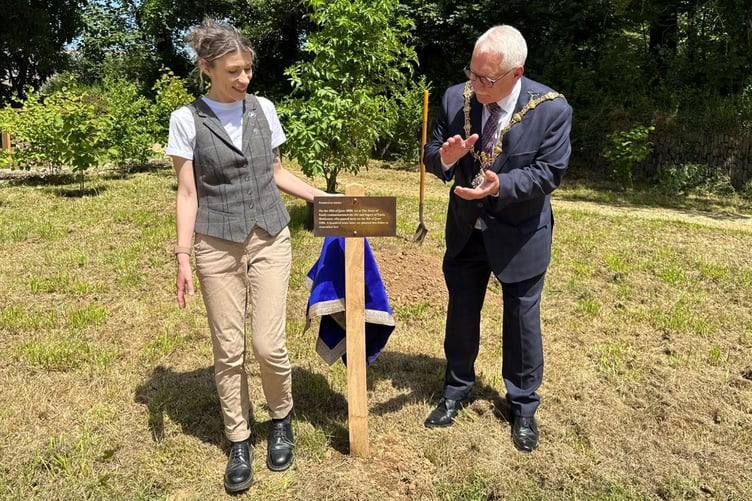
Organisers said the gathering aimed to reconnect Emily’s global legacy with her Cornish roots, ensuring her story remains part of the local cultural landscape.
In South Africa she was publicly honoured by General Jan Smuts, who described her as a compassionate voice for those who had suffered during the war.
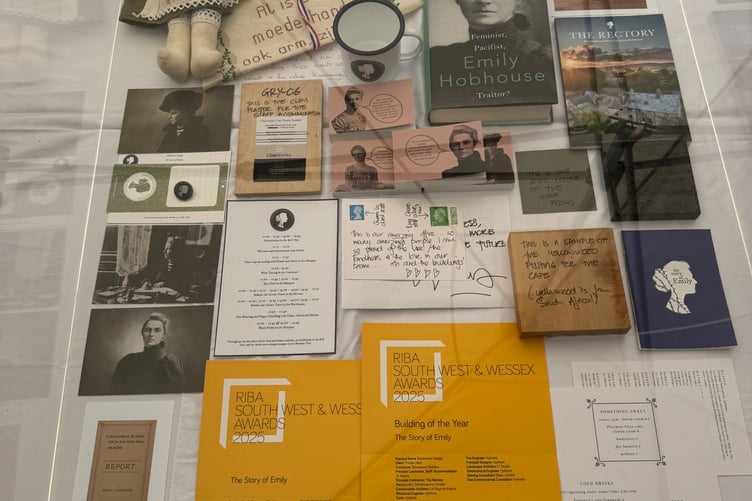
Her campaigning helped bring international attention to conditions in the camps and contributed to reforms that improved and saved lives, though she remained controversial in Britain during her lifetime.
Today, Emily is widely recognised as a humanitarian pioneer, with a legacy that continues to resonate both in South Africa and Cornwall, where her story is increasingly being reclaimed.
Comments
This article has no comments yet. Be the first to leave a comment.