

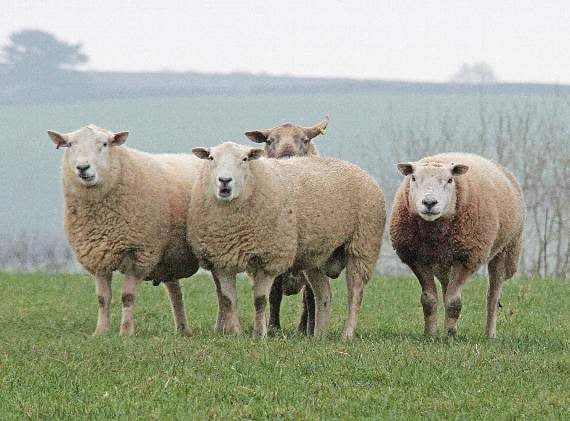
I walk every day, rain or shine, and a few days ago it was the former. So, wearing my long mac and wide hat I went over towards the cemetery and stopped to look into the sheep field. Resting my arms on the metal gate I watched as four sheep stopped eating the short grass and stared at me. I stopped there for several minutes whilst they watched me, probably thinking that I must be an idiot to go walking in the rain. But they might have been expecting me to open the gate and go in with a bag of corn for them to eat.

.jpg?width=209&height=140&crop=209:145,smart&quality=75)
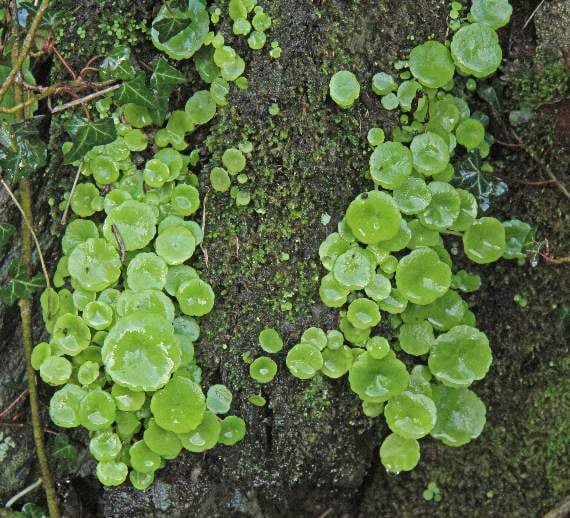
Walking on, the road hedges were home to thousands of round, pennywort or navelwort – Umbilicus rupestris – leaves that have a central depression, or ‘navel’, as in belly button, on a short stem. In fact, most of the stony hedges around the village that are covered with moss are home to these plants and some were growing on a large, mossy stone. During the summer they will send up spikes of straw-coloured flowers.
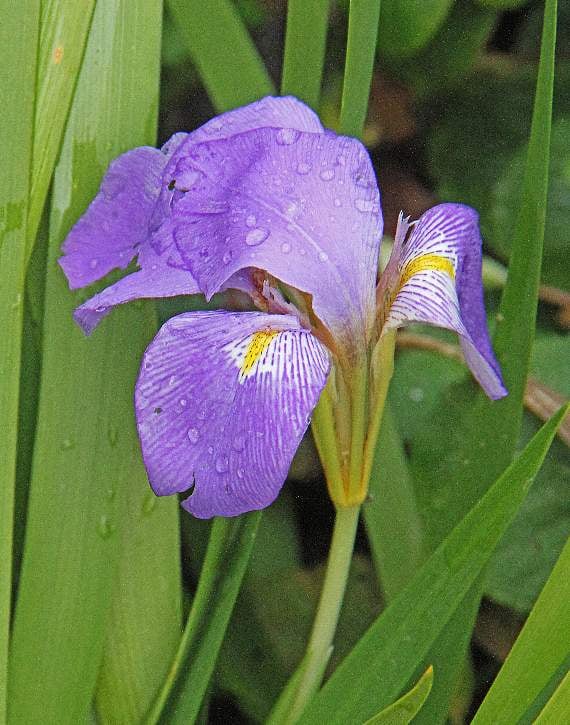
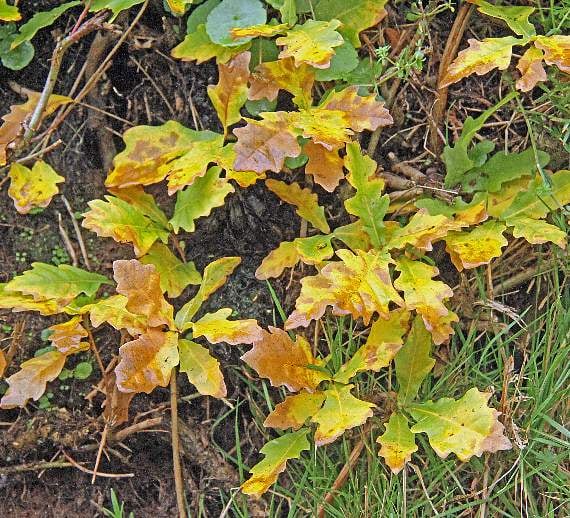
One of several short, scrubby oak trees on the hedge had yet to lose its leaves and presented a lovely picture with its green, yellow and brown leaves. Those leaves will drop before long. I spotted a blue iris flower that, as far as I could tell, was a purple flag - Iris versicolor – was growing on the edge of a garden right beside the road. This flower can be seen, if you are lucky, growing beside streams on marshy ground.
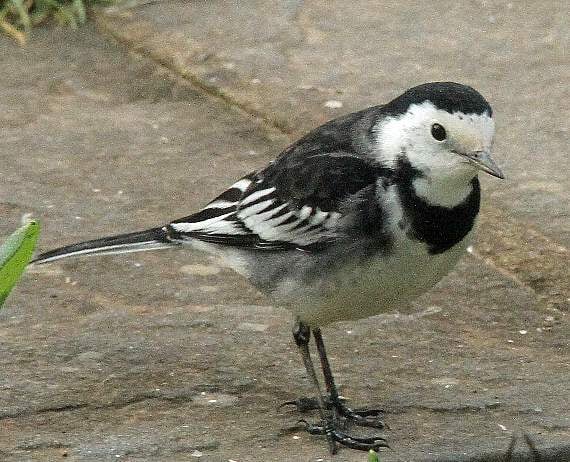
The pied wagtail unlike the other two members of the family, the yellow and the grey wagtails, seems to enjoy the company of people as it will alight onto the roadside quite near to where I am walking and will skip along the hedge creep in search of an item of food with its tail wagging to and fro as its name suggests.
If wagtails are attracted to your garden, they like sunflower seeds and corn and are a delight to watch. We have a couple that visit our garden and we have spent what seems like hours watching the graceful way they move whilst showing off their manners. If you want to see the two cousins, their habitat is beside streams and rivers and on marshes where they build their nests in vegetation near the ground.
Fungi footnote. Whenever I see an elder tree on my walks I always stop and have a good look at the branches to see if there are any fungi growing on them and last week, I spotted one with a solitary Jews ear fungus on a rotting branch. It has been said by some that when Jews ear gets established on an elder tree the fungus starts to kill the tree. That belief may be right as the only time I find the fungus it is on a dying, rotting tree.