

Photographer Ray Roberts describes the natural sights on a trip to the River Lynher ...
We took sandwiches out to the weir on the River Lynher near Pillaton and sat in the car to eat them as there was barbed wire between the road and the water where it would have been nicer to sit and eat. Whilst we were there, we noticed the top of several ash saplings growing beside the river were dying off on the top, making me think that this was due to Ash dieback, a disease that’s attacking and killing off ash trees. We counted more than a dozen of these metre and a half high young trees that were affected quite close to the weir.
There were lots of yellow hawkweed flowers to look at beside the river. Several members of this family can be seen in our countryside and the ones down in this valley had an untidy cluster of long petals with no visible centre ring. Leaves were long, narrow and untoothed growing all the way up the stem.
Growing on the bank on the opposite side of the road were several goldenrod – Solidago virgaurea - plants that were still showing their flowers, but were all past their best. Their bright yellow flower heads are grouped rather untidily on the top of tall stems with toothed leaves growing in spirals around them.

.png?width=209&height=140&crop=209:145,smart&quality=75)

I spotted one fat hover fly working its way along the vegetation which I identified as a Myathropa florea, but I cannot understand why it was so broad bodied compared to its length. There are nearly three hundred different hover flies in this country and although all are different from each other, sometimes the difference is tiny and to identify each one would be impossible for me I’m afraid.
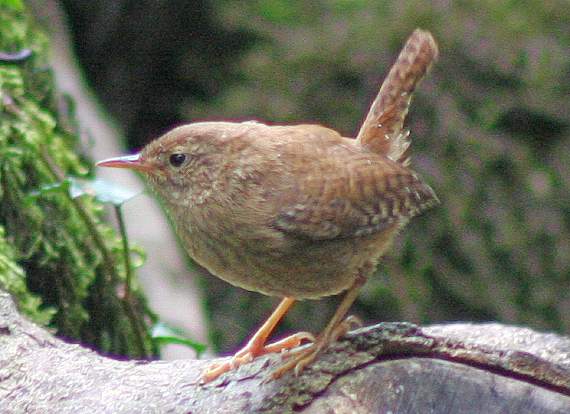
We spotted a small movement on the river bank where the water was running slowly and could see that it was a tiny wren. What was it doing so near to the river? Well there were several pond skaters on the surface and when one of them came close to the bank where the wren was, it simply reached in and grabbed it - fresh food for the bird.
Growing where there was a stony path there were some small flowers of yellow sorrel – Oxalis corniculate. Their blooms and their clover-like leaves are sensitive to light and foldup at night and remain like that until bright daylight arrives. As with its cousin, wood sorrel – Oxalis acetosella the leaves can be used in a salad or simply added to a cheese sandwich whilst out walking, but beware, don’t overdo it as they can be hot and peppery.
Since our visit to the weir, I have noticed lots of ash trees that appear to be dying off on the hedges around the village. Surely, it’s a bit early in the year to see autumnal leaves falling, so is this more evidence of ash dieback I wonder? We have an ash tree in the garden standing beside a sycamore and every year the leaves of the sycamore are the first to fall, but not this year.