

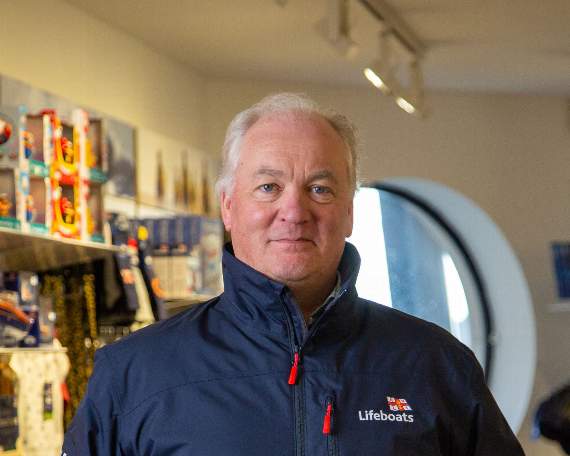
THE chief executive of the RNLI has written an open letter explaining the ’impossible situation’ his organisation faces in the coronavirus pandemic.
Mark Dowie has today asked the Government to consider restricting access to beaches until lifeguards can return to full patrols – or at least to back the RNLI up by making safety messages more widely announced.
The RNLI management has come under fire for its decision not to get lifeguards back onto beaches following tragic incidents in North Cornwall yesterday where two people died.
Scores of other rescues by volunteers, members of the public and off-duty lifeguards took place on both coasts over the Bank holiday weekend.
-and-Harry-(left).png?width=209&height=140&crop=209:145,smart&quality=75)

But Mr Dowie has explained that reinstating patrols is ’not as simple as just putting a lifeguard on a beach’.
In his open letter he writes:
Despite our warnings that there were no lifeguards on patrol this weekend, crowded beaches, hot weather and big waves meant our lifeboat crews had their busiest weekend so far this year. At least two people lost their lives.
This puts the RNLI in an impossible situation. With thousands flocking to English beaches now lockdown restrictions have been eased, we must choose between keeping the public or our lifeguards safe.
Safety advice and warnings will only go so far when people are desperate to enjoy some freedom after weeks of lockdown. As a lifesaving charity, the RNLI cannot stop people going to beaches – but the government can – before more lives are lost around our coast this summer.
Rolling out a lifeguard service – especially in a pandemic – is not as simple as putting a lifeguard on a beach. We found out about the easing of lockdown restrictions in England at the same time and in the same way as the general public. Contrast that with shops, which were given three weeks’ notice and even car showrooms have been given 7-days warning to prepare.
We have to work out how to do in-water rescues and give first aid – normally conducted at close quarters and often with people coughing up water. We have to find PPE that will work on a beach and in the water – visors and aprons are no good on a rescue board. And we have to train our lifeguards in procedures to reduce the risk of infection. All this takes time and we learnt of the lifting of restrictions at the same time as everyone else.
Lifesaving is our priority. But the fundamental sustainability of the charity is also a consideration. Local authorities contribute just 20% of the £20M needed to pay for a normal lifeguard season – the remaining £16M comes from RNLI donations. Right now, our charity faces an expected £45M shortfall in funding by the end of the year because many of our fundraising activities have had to stop.
So, we’re asking for help to manage an impossible situation – we’re asking the public to heed our safety advice and we’re asking the government to restrict access to the coast until we have lifeguard patrols back on beaches. Only then can we keep the public safe from the sea and our lifeguards safe from the virus.
Signed,
Mark Dowie
RNLI Chief Executive