

RECENTLY, I found time to read the “Growing up in Poverty” report which my Lib Dem colleague, Cllr Hilary Frank, talked about in this column when I was on leave a few weeks ago.
I despaired that years of funding cuts, driven by Tory austerity, both nationally and in control of Cornwall Council, which had increased poverty in children. I also glanced through the “Pretty Poverty in Cornwall Report,” by Diocese of Truro and Marjon University, which presents groundbreaking research into rural deprivation in Cornwall, revealing how traditional measurement tools systematically underestimate disadvantage in rural communities.
In order to address rural poverty, Cornwall Council have been campaigning for better funding from Westminster, which have been slashed in real terms since 2015. A planned overhaul of funding rules will see a shake-up of formulas that affect how billions of pounds are allocated to authorities for the first time in over a decade.
We heard councils in more deprived areas of England are set to receive a greater share of government cash, driven by Lib Dem and Labour MPs, who argue the current system is failing to reflect higher demand for council services in poorer areas. However, due to intense lobbying by their Labour MPs, it looks like those additional funds will go to deprived urban areas, rather than rural and coastal councils like Cornwall.

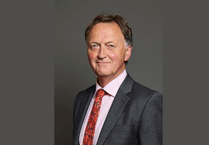
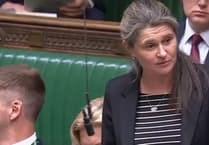

In the budget on Wednesday, it was good to hear the two-child cap on child benefit, which prevents parents from claiming Universal Credit or Child Tax Credit for more than two children, will be scrapped by Labour from next April. Lib Dems have always campaigned against this policy, which the Tories introduced in 2017, as it drives more families further into poverty.
Whilst in Looe after the budget, I talked to a young lady who was happy when I told her that her wages were likely to go up by 50p per hour, due to the rise in minimum wage. She said this extra money would allow her to spend a bit more locally. However, when I told her tax is going to take 20 per cent of this increase, as the budget did not see a rise in Tax thresholds, her excitement was short-lived.
I then talked to a small business owner, concerned because he had calculated the impact of the rise in minimum wage, which will inevitably mean a reduction in his profits – and that he might end up earning less than his staff. This was on top of the extra National Insurance tax he must pay for all his employees introduced by Labour earlier this year, which he has had to absorb.
Cornwall Council’s cabinet recently published their priorities for this administration, which includes “a resilient economy, a caring place for families where children could thrive, and people are supported to live well at all stages of life.”
Lib Dem council leader Leigh Frost said: “Cornwall is beautiful, but vulnerable”. These reports highlight the issues, we as Lib Dems, will strive to make sure nobody in Cornwall is condemned to poverty.
Comments
This article has no comments yet. Be the first to leave a comment.