

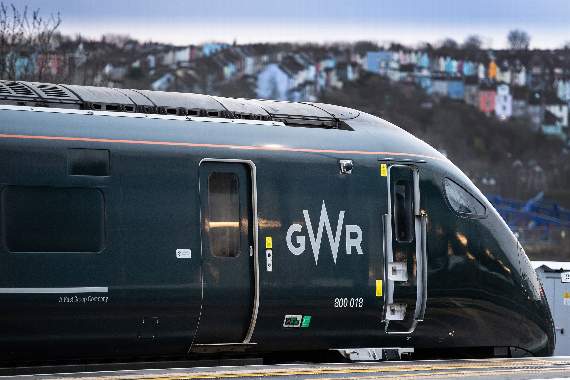
Great Western Railway says it expects to be able to operate 99% of its planned timetable from Monday after the re-introduction of the majority of its long-distance fleet.
Hitachi’s fleet of 800 Series trains was removed from service across the UK as a precaution last weekend when cracks were found on some trains. After further rigorous safety checks involving ORR’s HM Railway Inspectorate, GWR is now beginning to reintroduce trains with a more regular service for passengers.
The timetable includes:
London Paddington and Bristol Temple Meads: Half-hourly

.jpg?width=209&height=140&crop=209:145,smart&quality=75)

London Paddington and Plymouth/Penzance: Hourly to Plymouth with services extended to Penzance every two hours
London Paddington and South Wales (via Bristol Parkway): Half-hourly during peak, hourly outside peak times
London Paddington to the North Cotswolds via Oxford: Hourly
London Paddington and the South Cotswolds (Cheltenham/Gloucester): Hourly.
Local stopping services will continue to operate as planned, and additional long-distance train services will be provided at weekends to accommodate summer increases in visitors to Devon and Cornwall.
The service recovery plan includes thorough inspections by specialist teams before trains leave the depot and trains will only re-enter service if they meet agreed safety criteria. Working with Hitachi Rail, the rail regulator will continue to carry out rigorous oversight to ensure robust processes are being followed.
Trains on some routes may be less frequent than usual and train availability could vary, for a number of reasons, so passengers should continue to check before they travel next week.
Mark Hopwood, GWR Managing Director, said:
“Our customers have shown great patience over the past week, and I am grateful for their understanding as we have worked with Hitachi to allow trains to return safely. This news will allow us to run some additional services over the weekend and reintroduce more consistent robust timetables for customers from Monday.
“The industry has come together to help support those travelling – with other operators allowing each other’s tickets to be used on their networks; adding in extra shuttle services to help move people; and in sharing rolling stock to provide it to those who need it most.”