

The Cornish Times’ Nature Watch columnist and photographer Ray Roberts was reminded of childhood stories of fairies when he went on his latest walk in the Cornish countryside:
Sometimes when I want to walk somewhere different, I drive six or seven miles, park up and look around to see what is growing.
Last week I drove to a narrow road on the way to the River Lynher, parked in a convenient layby and started walking.
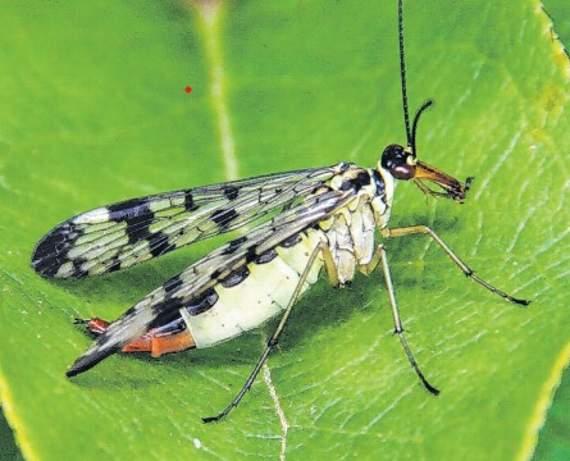
I was delighted to see a scorpion fly on the wing nearby and was even more pleased when it pitched on a large leaf.




These fearsome looking flies that eat dead or dying insects, are less than an inch (25mm) in length and are so-called because the male has an upturned tail that gives the appearance of a real scorpion, but they are harmless.
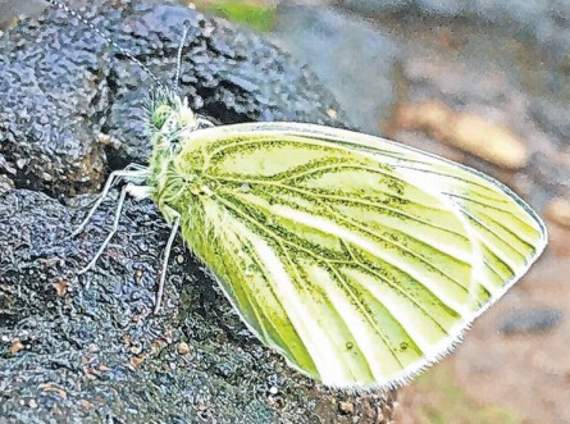
I followed a whitish butterfly along the road until it rested on top of a large stone on the hedge and I identified it as a green-veined white which is very similar to the small white, but has vein-like markings beneath its wings that are picked out in streaks of green-black scales.
Although thought to be a garden pest that can ruin a crop of cabbages, this butterfly is innocent as its caterpillars only feed on wild brassica and not the cultivated varieties.
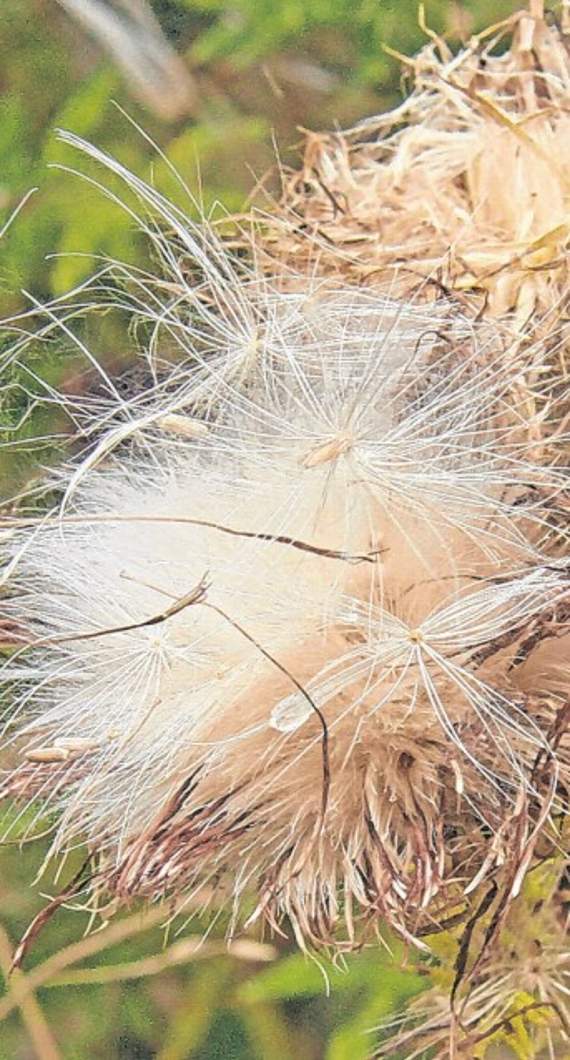
As I walked past a field gateway where some spear thistle seeds were blowing away on the wind, my thoughts went back to when I was a very young boy and we used to call these bunches of long, cotton-like threads Fairies as they carried seeds far away from the mother plant.
I admit to spending several minutes watching them set off on their maiden voyages.
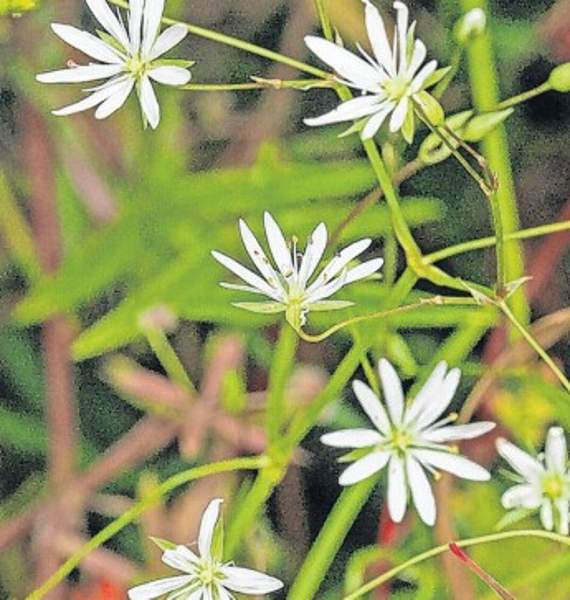
A few lesser stitchwort – Stellaria graminea – plants were growing along the bottom of the hedgerows with their tiny white flowers that are 5mm to 8mm wide, which is about a third the size of those of their cousin, greater stitchwort – Stellaria holostea.
Nevertheless, they are a beautiful wild flower on the hedges and on grassy banks.
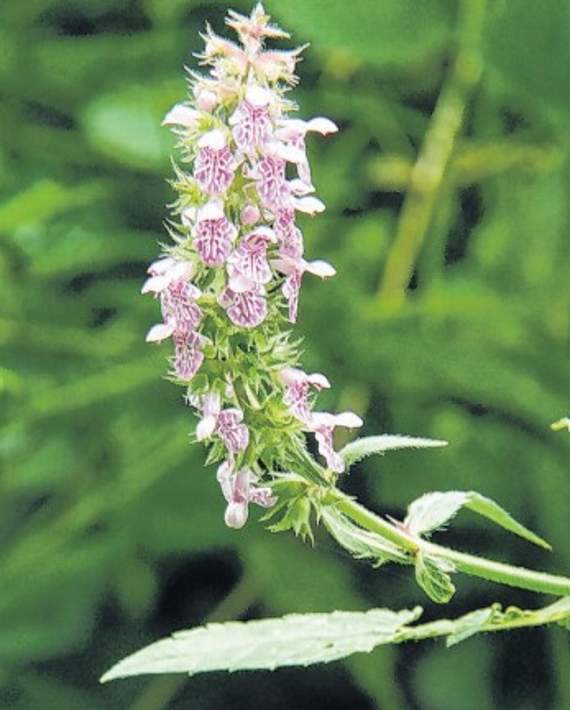
Down near the river I came across some marsh woundwort – Stachys palustris – with their pink, almost purple, flowers.
A cousin to hedge woundwort – Stachys sylvatica – this plant was also used to stop cuts and wounds bleeding during the 16th century, and although the leaves have a faint aroma, they lack the pungent odour of their more common cousin.