

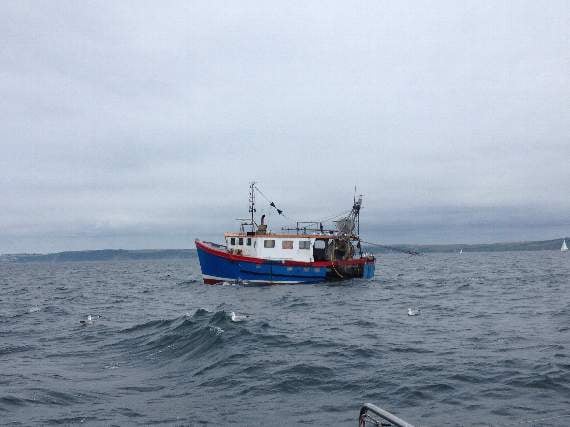
NEW research out this week shows how climate change could affect the south west’s fishing industry – and the diet of the British public.




Important fish stocks in commercially important species such as cod, Dover sole and monkfish will be affected by rapidly warming waters in the Celtic Sea, English Channel and southern North Sea.
The study, published in the Journal of Applied Ecology, was carried out by the University of Exeter, the University of Bristol, the Centre for Environment, Fisheries and Aquaculture Science (Cefas) and the Met Office Hadley Centre. It used computer models to look at how fish abundances may alter by 2090 under a range of future climates.
The results indicate implications not only for the wider ecosystem, but show that the fishing industry will likely have to adjust their operations to address these changes. British consumers may also need to adapt their diets into the future to eat species that could benefit under future warming, such as the warm-water species red mullet, Dover sole, john dory and squid.
Lead author Dr Katherine Maltby, who undertook the research while at Cefas, said: ’Our results show that climate change will continue to affect fish stocks within this sea region into the future, presenting both potential risks but some opportunities that fishers will likely have to adapt to. Consumers can help fishers take advantage of these fishing opportunities by seeking out other fish species to eat and enjoy.’
Co-author Louise Rutterford, from University of Exeter, said: ’We know from working with fishers that warmer water species are appearing in catches more. Bringing together their ‘on-the-ground’ experiences with studies like ours will help inform future management decisions.’