

Ripening fruits are a feast for birds and insects in this week’s Nature Watch with photographer Ray Roberts....
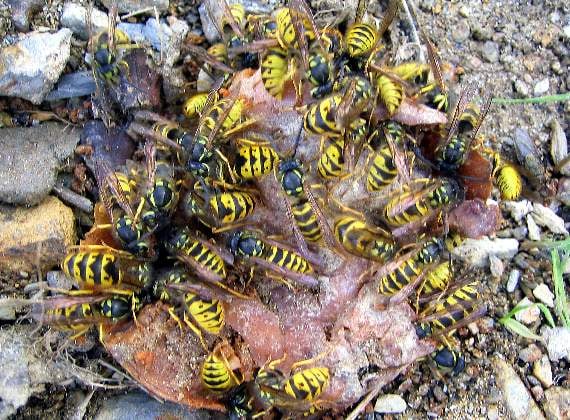
Now that apples are being blown from their trees, wasps are becoming more noticeable as they feed on the rotting fruit. I have found eight wasps nests around the village that consists of what one might call a mouse hole in the hedge and if you care to stand and watch, there is a succession of yellow and black insects flying in and out of the hole. The best place to see them in numbers is, of course beneath an apple tree at this time of the year.
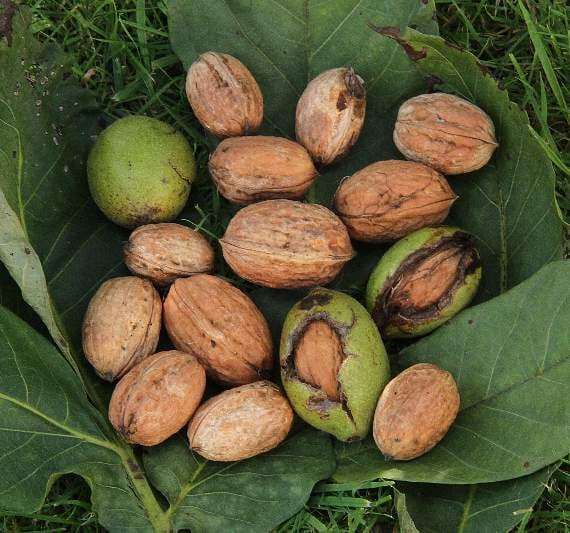
Walnuts are also dropping and the tree I watch has already produced several ripe nuts. Walnut trees are native to Turkey and have been grown as an orchard tree since the times of the Ancient Greeks. The tree was probably brought to Britain, as a food source, during the time of the Roman occupation but our weather proved to be a bit too wet to produce nuts of any quality, its timber though, is used to make good fine furniture.
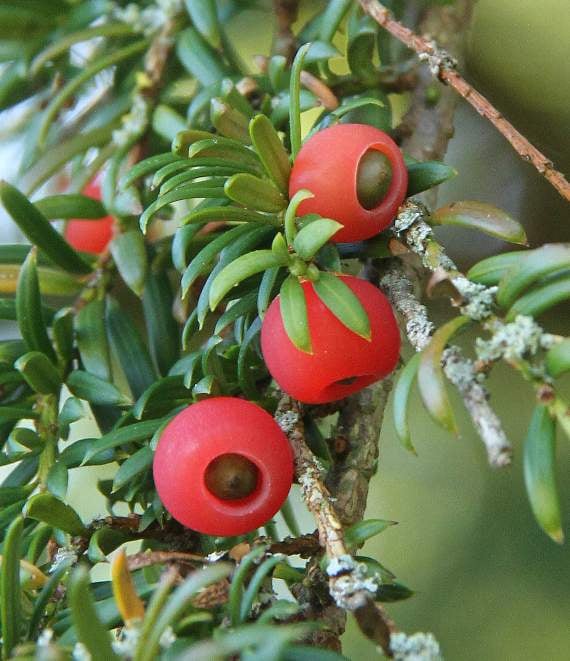
The yew tree down in the village church yard, not far from the walnut tree, is producing its berries. The fruit is poisonous but their red fleshy coverings are eaten by birds, especially thrushes. The tree’s foliage and bark are also toxic, probably why they were planted in churchyards where no animals go, but the timber was used to make the famous longbows, although the Spanish yew was preferred for that purpose.


Along the foot of the boundary wall beside the village school there is a row of common earth-balls – Scleroderma citrinum - ripening. Similar in appearance to puffballs but with a tougher looking skin and it looks as if somebody has been poking them with a walking stick to see a cloud of thousands of brown spores erupt from the ball. Although the earthball is inedible, I read somewhere that people in France eat very thin slices of them and kid themselves that they are eating truffles.
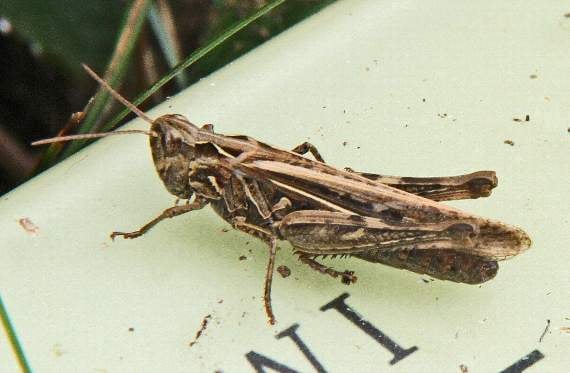
Walking around the village playing field I was surprised to see a field grasshopper sunbathing on a piece of discarded cardboard. Unusual to see grasshoppers this late in the year.
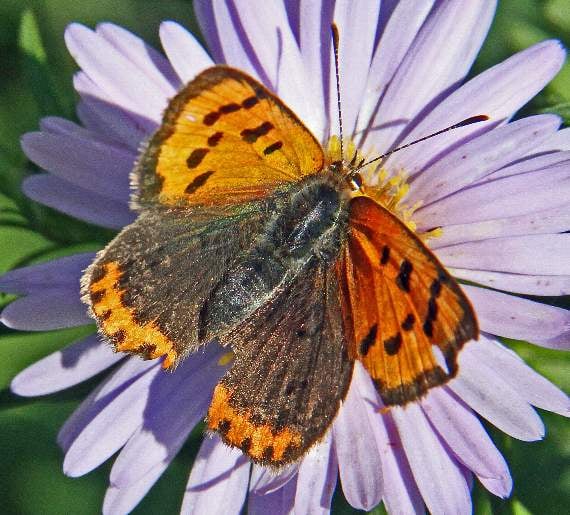
Back home in the garden there were a few white butterflies and several speckled woods having a look around at the flowers, but what I thought, from a distance, was a red admiral, was a small copper butterfly. I looked back into my records and the last time a small copper was seen in the garden was almost exactly a year ago.
Most of us know that the more flowers we have in the garden the more butterflies will visit. But, as well as lots of blooms always leave some bushes, weeds and grass to grow tall and wild to provide cooler, shady spots for them to shelter from the rain and, even more so, from the hot sun.