
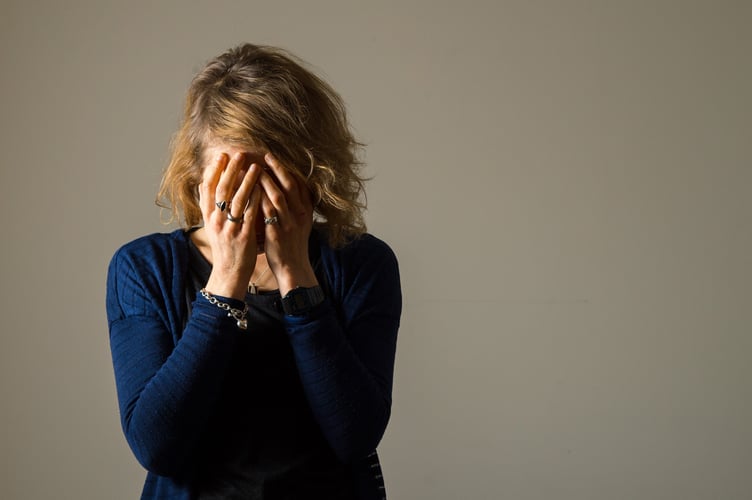
One in 20 adults in Cornwall and the Isles of Scilly "often or always" feel lonely, survey figures show.
Mental health charity Mind said having people to "share the ups and downs of life with matters", with loneliness linked to poor health outcomes.
Figures from Sport England's active lives adult survey show 5.8% of Cornwall and Isles of Scilly respondents aged 16 and over in the two years to November 2024 said they felt lonely "often or always".
Loneliness is defined as an "unwelcome feeling of lack or loss of companionship".



.jpg?width=209&height=140&crop=209:145,smart&quality=75)
The survey suggests 7% of adults across England were often or always lonely in the two years to November 2024, up slightly from 6.8% the two years prior.
The Office for Health Improvement and Disparities' rationale for including the data in its adult mental health and wellbeing profile said: "Feeling lonely frequently is linked to early deaths and its health impact is thought to be on a par with other public health priorities like obesity or smoking."
The rationale added lonely people are more likely to be readmitted to hospital and stay longer, while loneliness among employees is associated with poorer performance.
It said: "Loneliness can affect us all, at any time of our lives, with a negative impact on community and individual wellbeing.
"When people feel lonely most or all of the time, this is referred to as chronic loneliness. Chronic loneliness can have a serious impact on an individual's well being, and their ability to function in society."
Hayley Jarvis, head of physical activity at the mental health charity Mind, said: "This data from Sport England echoes our own findings in The Big Mental Health Report.
"Feeling lonely can increase stress and is associated with a higher risk of depression, anxiety, low self-esteem and sleep problems."
She added: "Physical activity can be a powerful way to build connections. Whether it's going for a walk with a friend, joining a running group or taking part in a class, moving together helps create social support and that sense of being valued and cared for.
"These connections don't just make activity more enjoyable – they can provide an important buffer for our mental health. Having people to share the ups and downs of life with matters, and being active together can help make that happen."
She said some people struggle to meet people in person, but online services like Mind's Side by Side support community are available.
Side by Side is a safe, moderated online peer support community where people aged 18 and over with mental health problems can share their story.
Connect with others and access Mind's wider information and resources at sidebyside.mind.org.uk.