
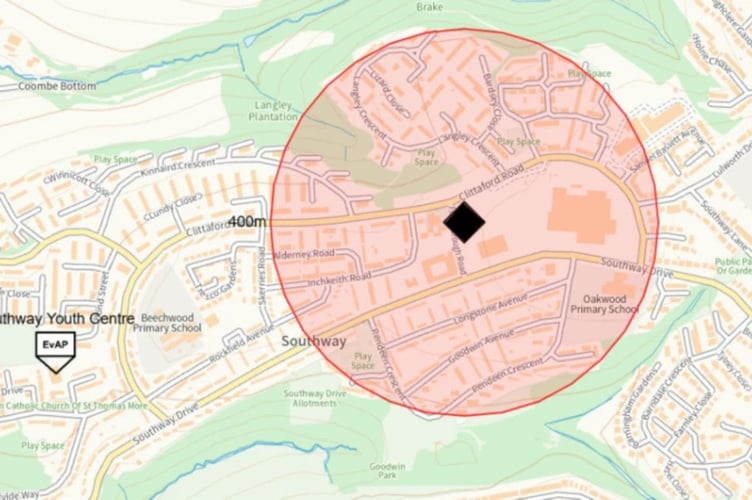
MORE than 1,000 homes have been evacuated in Plymouth after a suspected unexploded Second World War bomb was discovered, triggering a major emergency response and forcing families from their homes.
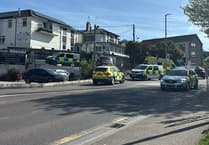
A 400-metre safety cordon has been put in place around Flamborough Road in the Southway area after the device was reported to police at around 2.30pm on Wednesday. The exclusion zone was initially set at 200 metres but was rapidly expanded following advice from military bomb disposal experts.
Plymouth City Council confirmed around 1,260 households are being evacuated, with police officers and volunteers carrying out door-to-door visits to ensure residents leave the area.
Officials have warned the device cannot be made safe until the evacuation is fully complete.
Southway Youth and Community Centre has been set up as an emergency hub, offering shelter, information and wellbeing support. More than 50 residents have already required additional help, with around 25 households placed into temporary accommodation.
The council has urged others to make arrangements to stay with friends or family for at least two nights, warning it is unclear how long the cordon will remain in place.
Residents leaving their homes have been told to take essential items including medication, important documents and supplies for children and pets, while also switching off water supplies and leaving windows open where possible.
Royal Navy unexploded ordnance specialists have been working through the night to assess the device and determine the safest way to deal with it. Plymouth City Council is supporting the operation by supplying large quantities of sand to stabilise the suspected bomb while investigations continue.
Inspector Gareth Hammett, of Devon and Cornwall Police, said the object is believed to be an unexploded wartime device.
“We do not underestimate the impact and the inconvenience,” he said. “But we want to reassure the public that we are working quickly and closely with our partners to bring this incident to a conclusion.”
The scale of the evacuation reflects the potential danger posed by such devices, with Plymouth heavily bombed during the Blitz. More than 50 air raids hit the city between 1941 and 1944, killing 1,178 civilians. Records suggest around 2,820 bombs were dropped, with up to 10 per cent failing to detonate.
Council leaders have acknowledged the disruption but stressed the evacuation is essential.
“Whilst we appreciate that it is inconvenient, we do ask that people support this evacuation for the safety of themselves and others,” a spokesperson said.
Comments
This article has no comments yet. Be the first to leave a comment.