
A RECORD ten bea-ches in the South West have failed to pass basic mandatory water quality standards set down by the Europe Union after the 2008 bathing water season finished.
The failures have more than trebled compared to 2007 and the change has been blamed on wet summer weather. Campaigners Surfers Against Sewage (SAS) predict worse is to follow if the trend of intense rainfall continues. Despite investments in the sewerage structure in the South West, the last two years have highlighted just how vulnerable the region's beaches are to a dip in water quality after heavy rainfall.
Poor
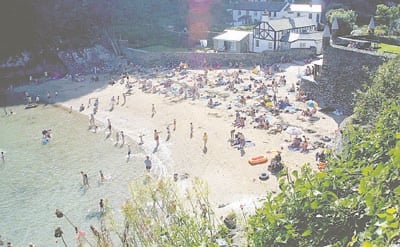
The two local beaches that failed the mandatory standards were Readymoney Cove, Fowey, and Seaton Beach, near Looe. The Environment Agency explained that under the mandatory standards the rating for Readymoney at Fowey was 'poor', while nearby Par and Polkerris were 'good' and Crinnis Golf Links, Crinnis Leisure Centre, Charlestown, Porthpean and Duporth were 'excellent'.


.jpg?width=209&height=140&crop=209:145,smart&quality=75)

The Agency said the heavy summer rainfall increased storm overflows from sewers, diffuse pollution and run- off from farmland and urban areas. This resulted in an increase in pollutants entering rivers and flowing into some bathing waters.
In addition to the 10 mandatory failures, there were 26 failures in Devon and Cornwall when measured against the guideline water quality standard. This is the standard that offers a better gauge of water quality with significantly lower public health risks.
SAS believes all the beaches in the UK should now be meeting the 'guideline' standard as a minimum, as it has been set as a target for 32 years.
'After so much money has been spent on increasing the levels of sewage treatment in the South West, we are now facing the prospect of a changing climate undermining the significant improvements made,' said Andy Cummins, SAS campaign manager.
Of the 191 beaches in the South West tested, Defra (the Department for Environment, Food and Rural Affairs) confirmed 75 per cent met the more stringent European Commission guideline standard. The 2007 figure was 78.4 per cent.