

A report on plastic pollution compiled by activists in South East Cornwall will be the focus of a TV documentary this evening.
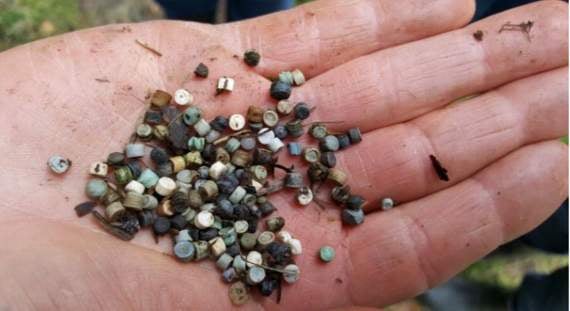
Beach cleaners with Rame Peninsula Beach Care (RPBC) have been painstakingly clearing tiny plastic pellets, known as nurdles, from the sand in Whitsand Bay. Last year they realised that many of these pellets were in face bio-beads - a type of bead used in their billions in the treatment of waste water.
The accidental release of these beads into the environment poses a risk to marine animals; the beads can contain significant levels of toxins, and are easily mistaken for food by fish or seabirds.
South West Water’s waste water treatment plant at Liskeard is one of nine across the region to use bio-beads. The company has around 600 plants in total, the vast majority using other natural media such as clay, grit or sand to process the waste water.



RPBC says it has found bio-beads along the banks of the East Looe River; an indication, they say, that beads must be escaping from the Liskeard plant.
South West Water says that all its plants that use bio-beads are fitted with mesh grating to prevent the beads escaping, and that appropriate disposal methods are used to prevent the release of beads into the environment when the beads reach the end of their life.
BBC Inside Out will be exploring the issue this evening (Monday) at 7.30pm.
Comments
This article has no comments yet. Be the first to leave a comment.