
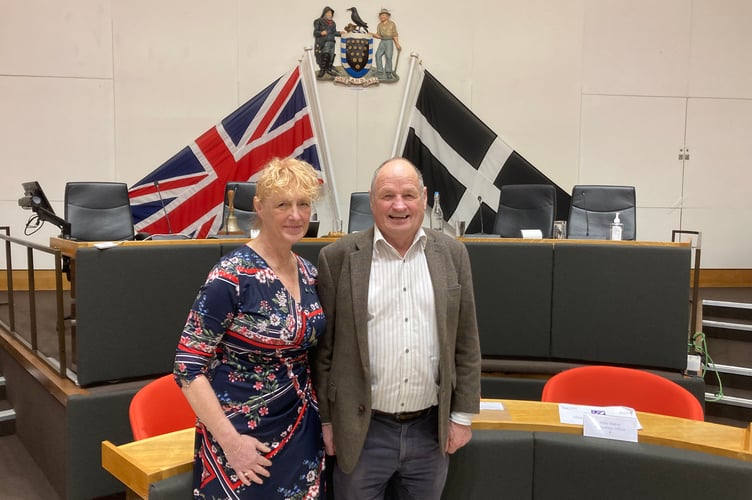
THE main issue debated at the full Cornwall Council meeting this week was the budget we will deliver from April.
The government has announced a three-year financial settlement, which has allowed us to plan with greater certainty. However, funding we get from Westminster has been reduced in real terms by both the Conservatives and now Labour.
Council leader, Leigh Frost, said: “When the initial settlement figure arrived last June and the Fairer Funding Review was working as intended, we thought the government had kept its promise. It was amazing and we built a budget around it.
“To then have that swept away from under us in October was soul-destroying. I don’t understand how you can have a review to rebalance the unfairness of local government finances and then somehow Cornwall ends up £1.5-million worse off than if the Fairer Funding Review had never been enacted. That’s ridiculous.


“Unfortunately, the government has made a choice and this choice wasn’t Cornwall. Yet again, the Cornish pound has to go much further than the English pound.”
Eleven Cornish communities are among the most deprived nationally. All six of our Cornish MPs understand that deprivation is not confined to cities and urban areas – and they have worked hard lobbying ministers. They have been knocking on doors in Westminster, including the the Chancellor, Rachel Reeves, as well as other treasury ministers and civil servants.
However, urban Labour MPs persuaded colleagues in control not to reduce their increases in favour of rural areas like Cornwall.
The Rural Services Network, an apolitical organisation, states that urban councils will have 32% more spending power than those in rural areas. This means council taxpayers will pay 17% less in cities where residents have greater access to services. Under this three-year settlement, rural areas will see an extra 2% of funding from this Labour government, whereas urban areas will see a 20% increase by 2029.
Saltash Councillor Hilary Frank, who has responsibility for Children, Families and Education, said: “Our spending on children’s residential care has risen from around £9.5-million in 2021 to approximately £22-million this year. In the past year alone, the average weekly cost of a placement has increased from just over £7,200 to around £8,000.
“Those figures are stark, and they reflect the growing pressures facing vulnerable children and the services that support them. This budget strengthens early help, supports foster carers, and builds more local provision so children can stay closer to their families and communities. Budgets are about choices, and I will always choose to protect children and strengthen families.”
Personally, I did not get elected to increase council tax. However, 4.99 per cent is built into the government’s funding assumptions and is essential if we are to protect services for the most vulnerable.
Since its inception in 2009, Cornwall Council has delivered around £530-million of recurrent savings. Despite this, the budget reflects difficult choices. At its heart, it prioritises frontline services, protects the most vulnerable, invests in prevention and growth, and puts the Council on a stable and sustainable financial footing.
Comments
We've recently changed our login process. If you have an account for commenting, you will need to re-register on the login window.
This article has no comments yet. Be the first to leave a comment.