
THE first gales and heavy rain of the winter have hit us just after the announcement of a severe drought warning in parts of England, with hosepipe bans still in place in south-east Cornwall.
The summer heat caused stress, especially for vulnerable people, forcing many to stay inside. Wildfires in Cornwall meant that part-time fire crews from Looe had to support colleagues tackling incidents near Bodmin and West Cornwall.
But this changing climate is not just affecting us. Areas of Greece and Spain have been hit by wildfires, whilst large parts of America have experienced unusually high temperatures. After many decades of a career that’s weather dependent, I know that Climate Change is a reality, as scientists predicted.
The drought announcement follows one of the longest wet winters since records began, during which South West Water reassured us that its reservoirs were replenished. Yet it has no plans to increase reservoir capacity in Cornwall. Now more gales.
Although warmer seas were welcomed by locals and holidaymakers, rising temperatures have far-reaching, long-term effects, including the influx of octopus off our shores, devastating lobster and crab stocks.
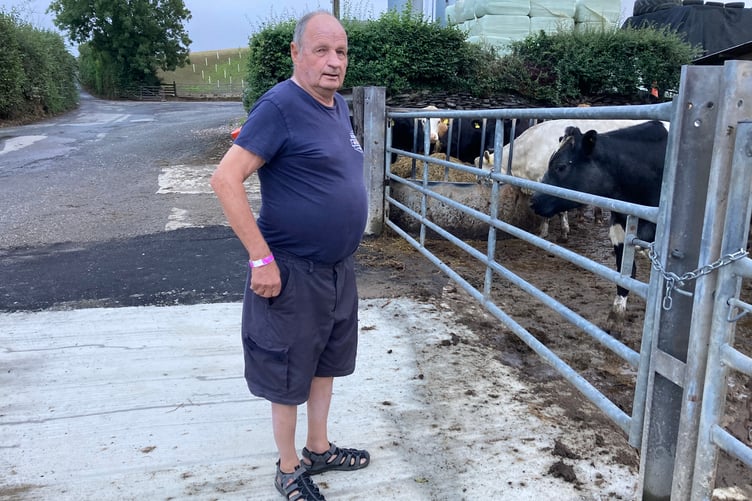
Farming was badly affected by the summer drought, with lack of grass forcing farmers to use forage supplies made earlier in the year, and many housing their cattle. The animals benefited from the shade, choosing to stay in their sheds even when field gates were left open. It remains to be seen whether the late autumn flush of grass has replenish winter stocks. Cereal crops also suffered, as the grain failed to fill out through lack of moisture. Now the cattle are all back indoors.
Higher temperatures and unusual winds from the continent have also brought insects carrying bluetongue virus. This disease has caused losses in sheep flocks and can reduce fertility, with reductions up to 50% of cows in calf when pregnancy tested, and increased risk of still births. Our natural environment faces other pressures too, including ash dieback and Dutch elm disease.
At September’s Full Council meeting, one of my colleagues proposed a motion on climate change and resilience. My predecessor for the division I represent, the late Councillor Edwina Hannaford, was responsible for much of Cornwall Council’s work on adapting to climate change and campaigning for greater awareness.
One part of the motion asked the council to promote showings of the People’s Emergency Briefing. Other parts highlighted the need to improve resilience to flooding, drought and extreme temperatures, alongside promoting our own food and energy security.



All Reform and Restore councillors voted against the motion, while the Conservatives abstained. That is disappointing when the effects are already being felt by our farmers, communities and natural environment. Supporting farmers means recognising these pressures and helping them adapt, so they can continue producing food and caring for our countryside. As a farmer myself, I know how much is at stake. As a Liberal Democrat, I have long campaigned for action on climate change. We need to plan now for the future and prepare Cornwall for the challenges ahead.
Comments
We've recently changed our login process. If you have an account for commenting, you will need to re-register on the login window.
This article has no comments yet. Be the first to leave a comment.