
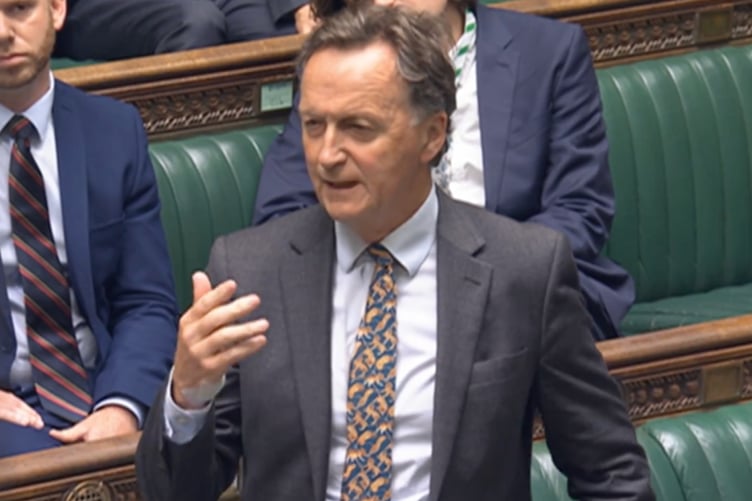
WE debated fishing policy this week. An essential industry in our communities. The characteristics of a successful and sustainable fishing industry is one where politicians should have little to do, but to observe from the sidelines, and where fishermen, scientists and marine conservationists agree on the baseline science, and the appropriate management plans to achieve balance between commercial success and environmental sustainability.
I well remember as a member of the then Commons select committee a quarter of a century ago, have the chance to view the fishing policies of different nations, and which appeared to manage their industries more successfully. The most successful had built a constructive relationship between fishermen and scientists. Except for a few, the UK fishing industry was at best deeply suspicious and overall extremely hostile towards scientists. Science was viewed as the enemy camp. Their were presumed to desire the shutdown of commercial fishing.
So, I proposed closer working relationships. This was often rebuffed, but not always. Indeed, the proposal spring closure of the Trevose Box (off the north Cornish coast), to protect a primary spawning area, was the proposition of fishermen.
Matters have progressed further. I’m delighted by the launch in Newlyn (in April this year) of the Cornwall Fisheries Science Board (CFSB). Instigated by the Cornish Fish Producers Organisation (CFPO). This will help deliver fisheries and science partnerships, and build a robust data set to inform future fisheries policy. Many species are data poor, so bringing the fishing industry in to collect data is affordable, improves the evidence base and enables positive ownership of evidence and management.
There’s been much commentary on the 10th anniversary of Brexit referendum. The vote represented a significant lack of UK self-confidence. We believed we were being taken advantage of, had become rule-takers and had lost control.
That’s not to say I believed there could be NO benefits. I acknowledged we could potentially “take back control” of fisheries management and marine conservation. However, even that hasn’t materialised. Indeed, it’s worse—we’re now outside the room where decisions are made and have less influence.
Though we could I suppose celebrate having blue passports(!), what else has it delivered? All authoritative sources agree the economy has suffered; now estimated to be at least six per cent smaller than it would have been. Brexit has been a drag on trade and growth, seen a cut in investment, and opportunities—especially for younger people—have shrunk.




Cornwall has been a major loser, after decades of EU support. Promises of replacement funding didn’t materialise. I respect those who voted to Leave. I acknowledge their hopes and desires. But those who led the Brexit campaign should stand up and be accountable. Their lies and stoking of fear may have succeeded, but it says everything that they have been uncharacteristically shy, and have avoided public attention during the 10-year review.
Comments
We've recently changed our login process. If you have an account for commenting, you will need to re-register on the login window.
This article has no comments yet. Be the first to leave a comment.