

The National Trust today outlined ambitious plans to help reverse the decline in wildlife on all land in its ownership – including an aim to create 25,000 hectares (5,000 in the South West) of new habitats by 2025.
The Trust says it wants to play its part in addressing the dramatic slump in British species and improve soil quality and water quality in the countryside.
An in-depth study of UK species last year found 56 per cent were in decline.
The conservation charity, which was set up to protect places of natural beauty, hopes to create and restore ’Priority Habitats’, areas identified by the government as threatened and in need of conservation support, on 10 per cent of its land.
.jpg?width=209&height=140&crop=209:145,smart&quality=75)
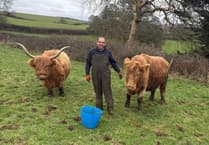


The charity will work in partnership with tenant farmers to see how they can help deliver nature-rich, productive, fertile landscapes which are good for wildlife and good for farming. Supporting sustainable farming will be crucial for the plans to succeed.
The aim is that at least 50 per cent of farmland will be ’nature-friendly’ by 2025, with protected hedgerows, field margins, ponds, woodland and other habitats allowing plants and animals to thrive.
Alex Raeder, Natural Environment Lead for the National Trust in the South West said: ’In the South West we have an ambition to create at least 5,000 hectares of new habitat by 2025 which we believe will have a major impact on the environment and wildlife of the South West.’
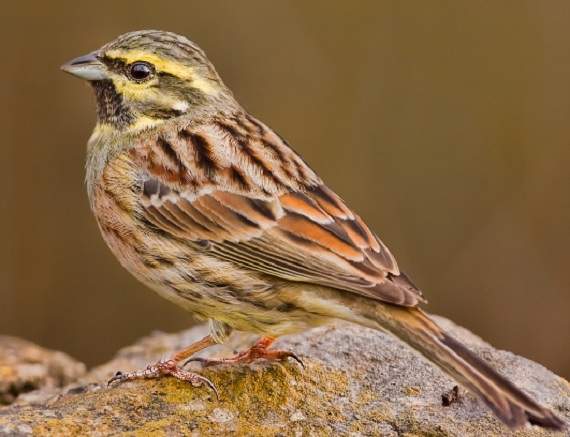
As an example of previous success, the Trust points to cirl buntings, once found in farmland right across the south of England. But intensive farm forced the birds to retreat to Devon. In the last 25 years farmers and rangers have worked together to plant crops and replant hedgerows, seeing cirl bunting numbers rocket by almost 1,000 per cent.
Comments
We've recently changed our login process. If you have an account for commenting, you will need to re-register on the login window.
This article has no comments yet. Be the first to leave a comment.