

This week’s Naturewatch sees photographer Ray Roberts observe a new visitor to the garden, as well as appreciating the beauty in the every day sounds and surroundings....
Walking at my usual pace up North Hill on a misty, damp day, a man with a dog caught me up. We stood chatting for some 20 minutes, keeping a good distance apart and talked about exercising, which we both thought is important when you are retired.
All kinds of exercise machines are being advertised so that one can ‘keep fit’ whilst staying indoors. Now, I might be missing something here, but what is wrong with putting on a hat and coat and a face mask if you live in the town and stepping out for a couple of miles along the road. And quite frankly, I see no reason to listen to music as you walk - why not take in the sounds of nature?
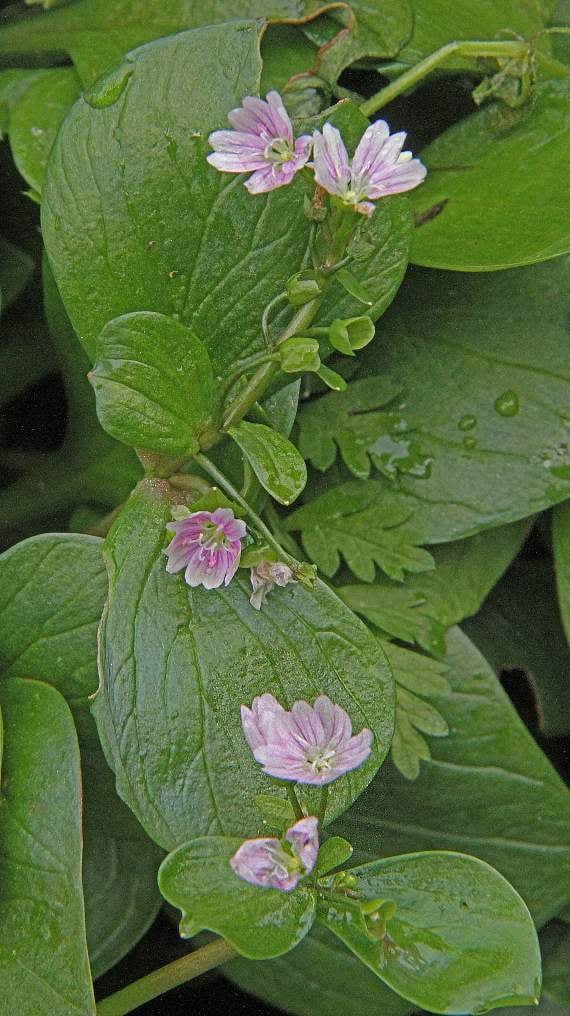
After our chat I walked down through a couple of fields on the public right-of-way to the old Quethiock vicarage. Then I turned left up towards Pipers Pool. Whenever I walk on that stretch of road, I find some pink purslane – Claytonia sibirica – flowers on the south facing hedgerow.



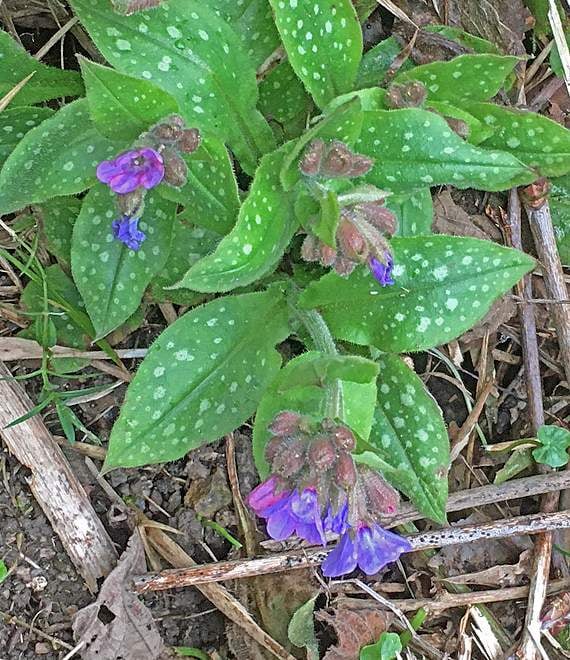
Near Trehunsey Cross, beneath some bushes was a lungwort – Pulmonaria officinalis – plant out in bloom. Its flowers are pink at first then they turn blue and the oval leaves are covered in white spots.
It was once thought that these leaves resembled a miner’s diseased lung, so a potion was made from them to treat men with all manner of lung ailments. The plants were brought over from central Europe and the escapees can be found growing in woods and along shaded hedgerows.
As always when walking I am constantly looking the hedgerow up and down and I spotted a fungus growing on a dead mossy twig. I am sure its name is Bisporella citrina – and although not very big with yellow discs about 2mm wide, I thought it looked beautiful.
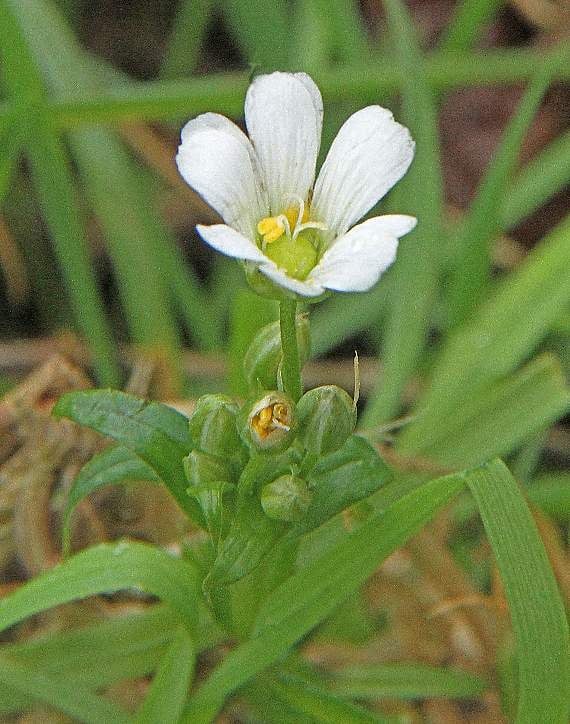
I spotted a single greater stitchwort – Stellaria holostea – in bloom where it had grown up through a tangle of grass. The stems of this plant are very weak and to reach any height at all it relies on surrounding vegetation to support them.
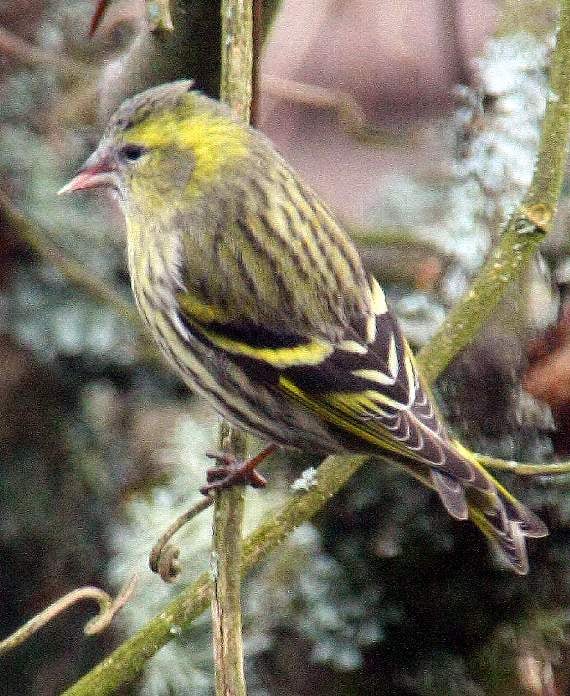
A bird that I was really surprised to see was a female siskin perched on some dry bramble runners on a hedge that bordered a conifer wood. These small birds that are members of the Finch family, feed on seeds and frequently visit garden feeders to eat sunflower seeds and peanuts, although I have not seen one in our garden yet this year.
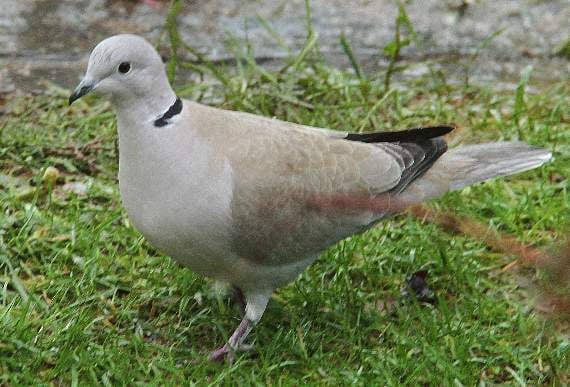
We regularly have a couple of collared doves who come to feed on grain and sunflower seeds that are dropped from the feeders. They are smaller than wood pigeons with a pale grey-brown body and a black collar on the back of their necks. In fact, they really rely on food that is provided by householders and farmers and when they are feeding on our lawn alongside a couple of wood pigeons the bigger birds seem very nervous and almost afraid of the doves.
Comments
This article has no comments yet. Be the first to leave a comment.