
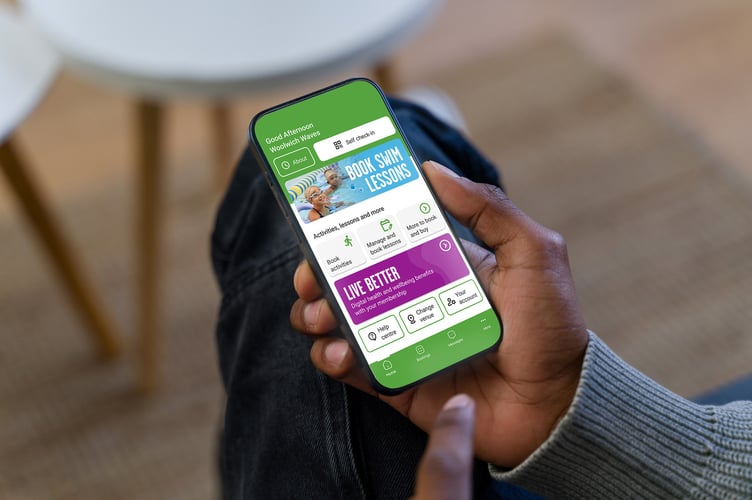
NEARLY a third of people in the South West are planning to use health and fitness apps to help achieve their fitness goals in 2026, according to new research highlighting a major shift in how people approach exercise, wellbeing and mental health.
The study found that 28 per cent of people across the region intend to use a digital fitness app this year, with motivation cited as the biggest benefit. Almost half (45%) said features such as reminders, progress tracking and goal-setting tools help them stay focused and committed when motivation starts to fade.
Commissioned by social enterprise GLL, which operates nine Better leisure centres across Cornwall, the research coincides with the launch of its new Live Better platform. The survey questioned more than 2,000 people nationwide and paints a clear picture of changing fitness habits in the South West.
Almost four in ten people (39%) in the region said they want to get fitter and improve their overall physical health in the coming year, while 26% said reducing stress and improving mental wellbeing is a top priority. Increasingly, people are turning to apps as a way of supporting both goals at the same time.




Respondents highlighted a wide range of features that make fitness apps appealing. Sleep monitoring was cited by 19%, while diet and nutrition tracking and mindfulness or mental health tools were both named by 17% as key reasons for using digital platforms.
The research also reveals why traditional gyms and leisure centres do not work for everyone. More than a quarter of people in the South West (27%) said they sometimes prefer to exercise at home, citing convenience, flexibility and privacy. At the same time, 30% said feeling uncomfortable or intimidated would prevent them from attending a gym or leisure centre at all.
Busy and unpredictable work patterns continue to be a major barrier, with 18% saying their schedule makes it difficult to commit to regular gym visits. For many, the pressure of fitting exercise around work, family and other responsibilities means traditional fitness routines can feel unrealistic.
When asked what matters most in supporting their fitness habits, privacy topped the list. Nearly a third (31%) said being able to exercise without feeling judged or watched was their number one priority. Cost was most important for 23%, while 19% said short, flexible workouts that can be fitted into busy days were essential.
These priorities closely match the advantages people associate with fitness apps. More than a quarter (27%) said apps allow them to work out whenever it suits them, while 32% highlighted their importance for people living in rural or remote areas, where access to gyms and leisure facilities can be limited.
Taken together, the findings suggest health and fitness apps are set to play a central role as people set realistic and sustainable goals for 2026.
The Live Better app aims to help people stay active in ways that fit around everyday life. The app is free for existing Better members and available to non-members for £9.50 per month.
Comments
We've recently changed our login process. If you have an account for commenting, you will need to re-register on the login window.
This article has no comments yet. Be the first to leave a comment.