

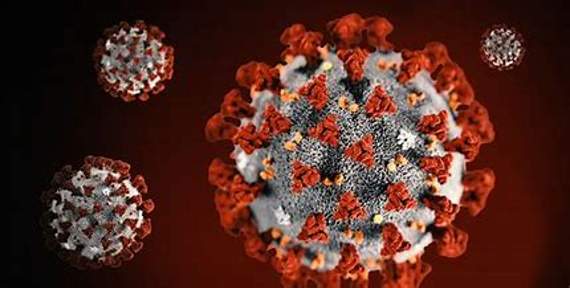
Latest figures from Public Health England show an increase in the number of COVID-19 cases in some ‘cluster’ areas of South East and Mid Cornwall, but this is to some extent offset by numbers of cases falling or remaining static in other areas.
A ‘cluster’ is defined as three or more cases in an area of 750,000 people.
The cluster area with the largest number of cases in Cornwall continues to be Kingsand, Antony and Maryfield, where the number of cases remains at 39. The recent spike in cases in that area has been confirmed as being due to an outbreak at the HMS Raleigh Royal Navy training base.
In other South East Cornwall cluster areas, the number of cases in Saltash Latchbrook and St Stephens has risen from four to eight in the latest figures, and in Saltash Town and Pillmere there has been a rise from three to four cases, but in Mid Saltash the number of people with the virus has fallen from five to four.
.jpg?width=209&height=140&crop=209:145,smart&quality=75)

In St Germans and St Mellion COVID-19 cases have risen from four to five, but in Callington and Pensilva the number of people with coronavirus has fallen from four to three.
In Liskeard there are now five people with the virus when there were three previously, but in neighbouring Dobwalls, Addington and Menheniot numbers remain the same at six cases of COVID-19.
In the cluster areas of Looe and Polperro and Altarnun and Stoke Climsland, case numbers have remained static at three cases each for these areas, and the area of St Neot and St Cleer now also has three cases, which is down from four in previous figures.
In Lanreath, Pelynt and Polruan there has been a slight rise from three to four cases, but in Lostwithiel and Penwithick COVID case numbers remain static at eight people affected, and in Par the number of cases has fallen from six to four.
In Mid Cornwall, the number of people with the virus in Bodmin East has risen slightly from four to five, but in Bodmin West numbers remain static with six people being infected with the virus.
In St Austell North and Carclaze there has been a slight rise in the number of people with COVID from five to six, but in St Austell East and Carlyon Bay numbers remain the same as in previous figures at six people affected, and in St Austell Central there are still three people with the virus, and in Mevagissey and Polgooth numbers are also static at four people with COVID-19.
Elsewhere in Cornwall, other cluster areas have seen a rise in virus cases, but only the area of Marazion, St Erth and Gwinear Gwithia has seen its numbers of cases reaching double figures, with 10 people now affected compared to six previously.
Across the Tamar in Devon, Plymouth and Torbay have seen significant rises in cases but in Exeter there has been a welcome fall in the rate of infection.
In other virus news, as well as ‘Long COVID’ having been identified as a symptom affecting some people recovering after having the coronavirus, another after-effect now identified in some people is ‘COVID toes’ – a chilblain-like inflammation of the feet that can sometimes last for months.
In addition, as well as the local lockdowns in various cities and areas in the Midlands and North of England, Gloucestershire Police have confirmed that they will be co-operating with the authorities in Wales - where a Welsh Assembly Government ‘circuit break’ lockdown is in place across the whole principality - by stopping drivers at the Welsh border and checking the reasons for them making their journeys. They will also be imposing fines where necessary and sharing information on those deemed to be breaching local rules with officers in Wales.