

PEOPLE who have lost a loved one would ’rather friends say the wrong thing than say nothing at all’.
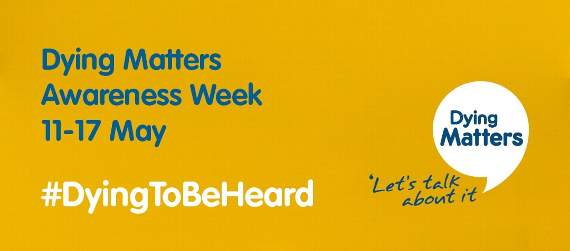
This is one of the findings highlighted as part of a campaign to get people to open up about death and dying.
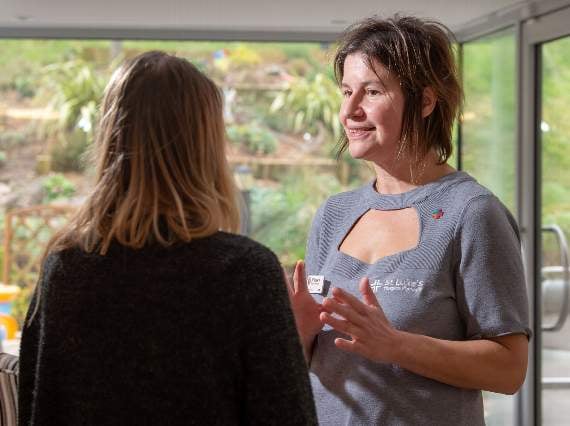
Local charity St Luke’s Hospice in Plymouth, which provides specialist care and support for the terminally ill, is firmly behind the annual Dying Matters Awareness Week campaign, which runs until May 17.
’In the past few months, death has become a greater part of public life, with so many families sadly losing loved ones and with the media focus firmly on the impact of the COVID-19 pandemic,’ said the charity.

.jpg?width=209&height=140&crop=209:145,smart&quality=75)
’But are we getting better at talking more openly about the ‘taboo’ subject of death or do we still hold back because we fear others aren’t comfortable with it?’
St Luke’s supports a call to encourage more honest talk about death, dying and grief, recognising that this helps those affected feel listened to and understood.
National charity Hospice UK has revealed new findings from Savanta ComRes that show that 72% of those bereaved in the last five years would rather friends and colleagues said the wrong thing than nothing at all, and 62% say that being happy to listen was one of the top three most useful things someone did after they were bereaved.
Meanwhile, a recent local survey carried out on behalf of St Luke’s found that just 24% of those polled said they felt ‘very comfortable’ talking about death.
Tracey Bleakley, CEO of Hospice UK, said: ’What these findings show is just how important it is for us all to talk about death and grief, particularly when as a nation we are facing higher numbers of unexpected deaths as a result of COVID-19. These issues sadly have a taboo about them, which is unhealthy and can leave people suffering in silence. We owe it to each other to take part in these conversations. So many people are dying to be heard, and we all need to listen.’
As part of its service, St Luke’s encourages people to create a personal statement of wishes that can ensure – as far as is practically possible – that their wishes are respected and acted upon should they be too ill to speak up for themselves in their last days.
Having this in place can bring increased peace of mind not just for the person concerned but for the loved ones around them, too, making a very stressful time that little bit easier.
Jutta Widlake, Head of Social Care at St Luke’s, said: “As a society, we don’t discuss death openly, and because people are living longer most of us don’t experience the loss of someone close to us until we’re well into midlife. Death is a normal part of life though, and we shouldn’t feel held back from talking about it because we fear others might feel uncomfortable if we do.’
For more information www.dyingmatters.org or www.stlukes-hospice.org.uk/acp