


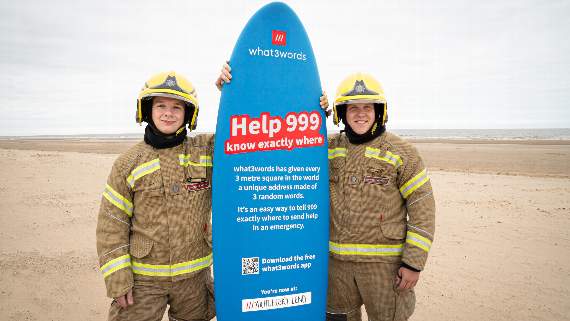
HAVE you downloaded the what3words app?
Emergency services are encouraging the public to get this free location app on their phones this summer.
They’re warning of an unprecedented pressure on control rooms as Brits on staycation flock to rural beauty spots such as beaches, parks and rivers
The average Brit will be travelling 155 miles for their holiday this summer, with 68% heading somewhere unfamiliar.

To support stretched control centres, emergency services across the UK are urging the public to download what3words, describing it as “an essential tool for the public to have on their phones this summer”
Research shows that the technology can shave minutes off response times, with some control rooms reporting that it saved 10 minutes or more per call
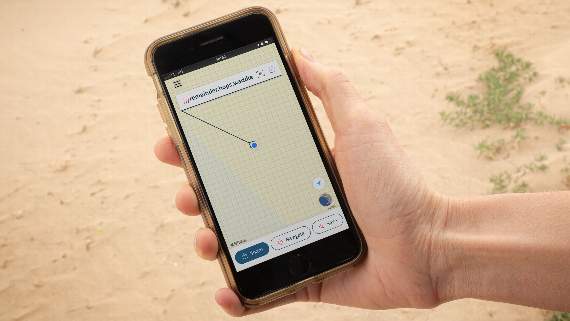
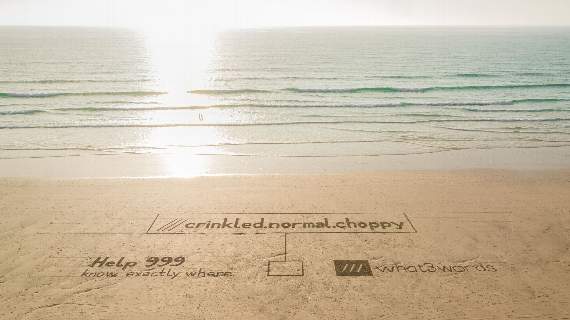
what3words has divided the world into a grid of 3 metre squares, and given each square a unique combination of three words. “laptop.processes.works” for example will take you to the best view over Durdle Door in Devon.
The app is free to download for both iOS and Android devices, and works offline, making it ideal for use in areas with unreliable data connection, such as beaches, national parks and campsites. what3words can also be used via the online map at what3words.com. The technology is available in over 45 languages, including Welsh, and can be used anywhere in the world.
what3words is now used by over 85% of UK emergency services – police, fire and ambulance – and all services surveyed described what3words as ‘a reliable tool to have as part of the emergency toolkit’. While not intended as a replacement for any traditional ’must-pack’ survival gear worth bringing along on all hikes, camping trips, and other outdoor adventures this summer, the technology has become a well-used tool for emergency services, saving dispatchers and responders precious time and resources in an emergency.
In a recent voluntary survey of 19 emergency service control rooms across the UK:
74% of those surveyed reported that using what3words cut response times when it matters most.
63% of those surveyed had used what3words to locate at least 50 callers in 2021, with some control centres reporting that the technology had been used to assist more than 1,200 incidents already this year.
Nearly half (42%) of emergency call operators said that they receive calls where individuals struggle to describe the location of their emergency on a daily basis.
68% predict a rise in the number of calls from hard-to-describe locations such as beaches and parks, due to the combination of hot weather, easing COVID restrictions, and increased domestic travel and staycations.
Giving a what3words address in an emergency ensures that dispatch teams know exactly where the caller needs help, and can locate them quickly and easily when every second counts.
The technology has been used for everything from reporting fires and rescuing pets to locating callers mid-heart attack with pinpoint accuracy. For example, In June, a man was rescued late at night in stormy weather after suffering a suspected broken ankle on a remote cliff path in Cornwall. Thanks to what3words, the Bude Coastguard Rescue Team was able to swiftly locate the injured caller and his partner, who were both cold, wet and at risk of developing hypothermia had quick action not been taken.
On another occasion, Middlesbrough Response Officers and the Dog Unit were called to a report of four children stuck in a beck and lost in the grounds of Ormesby Hall in Middlesbrough. The children were panicked in the dark and rainy weather, but field officers worked closely with control room staff to guide one of the children through downloading the what3words app. The what3words address then allowed officers to locate the children straight away, who were uninjured and returned home safely.
“We’re preparing for a summer like we haven’t seen before. At the moment it’s like a permanent bank holiday with the amount of people staying and visiting our coast. With tough restrictions on international travel, this year, millions of people will choose to holiday in the UK. The wave of visitors to rural and remote areas is going to make emergency calls more frequent. By downloading what3words, you’re helping us help you – we can quickly identify exactly where the emergency is, saving resources and precious time”, says PCSO Michelle Collins from Lincolnshire Police Service.
“what3words has already helped emergency services locate people stuck in flood water, animals trapped in wire, out-of-control bonfires in remote locations as well as people on motorways, side roads and back roads with car fires, medical emergencies and a whole range of other issues. This app can help us find you anywhere.
“This summer, make sure you download what3words to enable emergency services to locate you. Simply use the app to find the 3 words for your location and read them to the emergency call handler. You really could save a life.”
Not only is what3words a valuable emergency tool, it’s also useful for organising meet-up locations on parks and beaches, says Chris Sheldrick, co-founder and CEO of what3words.
Control rooms in the UK, US, Australia, Germany, Belgium, Austria, Singapore, Canada, India, and South Africa are all utilising the innovative technology, and urging the public to download the app. As well as using the app for emergencies, people are using what3words every day to meet up with friends at parks and on beaches, to share great running and hiking locations, and to share sports match locations with their teams. what3words has also been built into in-car sat navs including Mercedes-Benz and Ford, enabling drivers to enter any destination with just three words. Companies such as Premier Inn and Lonely Planet use what3words to help travellers find the right hotel entrance or hard-to-find restaurant, and logistics brands like AO.com and Hermes use it to deliver goods exactly where they’re needed.