
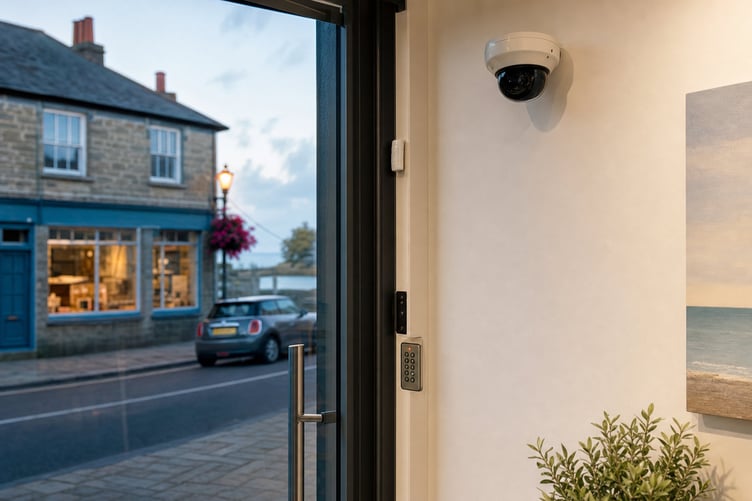
As retail crime evolves in Cornwall, local businesses face mounting pressure to adapt security measures to protect property while maintaining a welcoming atmosphere for shoppers. Both high street stores and out-of-town retail units must contend with risks arising from changing theft tactics, rural location constraints, and seasonal fluctuations in trade.
Across Cornwall, retailers are encountering heightened concerns about security as crime trends become more unpredictable. These changes leave business owners and staff balancing protection with the need to maintain a friendly environment. Modern security measures — including options detailed at https://www.securitastechnology.com/uk/ — such as monitored alarms, CCTV, and access control, are often discussed as part of retail security planning in the region. Addressing these threats demands careful consideration of new technologies, as well as robust in-store policies and local protocols.
Retailers under pressure amid shifting circumstances
Cornwall’s retail sector continues to adapt to fluctuating patterns in customer numbers, especially during the tourist season. When footfall surges, shops often grapple with limited staff resources and a heightened risk of opportunistic crime, particularly in busy high streets like Truro, Falmouth, or St Ives. Self-checkouts and open entrance layouts can increase vulnerability to theft, while temporary seasonal staff may have less time to become fully accustomed to security procedures.
Local high street stores and larger outlets on retail parks feel these effects differently, but all face the challenge of securing their premises without deterring honest customers. In the summer, for example, car parks in Penzance or Newquay retail parks often see increased vehicle movement and can be areas where theft or damage occurs if monitoring is insufficient. The need to protect against loss while upholding a positive customer experience is a pressing concern for many owners and employees.
Many small independents have observed that resource constraints impact their ability to respond quickly to incidents. Shops depend on effective teamwork, clear protocols, and regular communication to ensure both security and service are prioritised. Staff training covering how to spot suspicious behaviour at self-checkouts or around exits is often emphasised, as is having clear reporting procedures to enable quick response and recovery.
This context has prompted fresh attention to retail crime and security challenges faced by Cornish retail businesses amid changing crime trends. Offenders may change tactics over time, which can require retailers to review their approach. Balancing a welcoming atmosphere with deterrence, such as visible staff presence at busy times or greeting customers as they enter, can help reduce opportunities for theft without compromising customer service.
New patterns of crime and operational risks
Changing crime trends can manifest in a variety of ways on the shop floor. Shoplifting remains a persistent threat, particularly with thefts targeting high-value goods near entrances or self-checkouts. In towns like Bodmin and Camborne, dispersed shop layouts and separate stockrooms can create additional challenges for monitoring access during busy hours. Seasonal spikes in visitors can make it harder to track who is entering and leaving the premises, so many retailers increase staff vigilance on the shop floor and at exits during these periods.
Across Cornwall, incidents involving repeat offenders and opportunistic thieves have affected shopkeepers’ confidence. Some retailers also report concerns about after-hours break-ins and vandalism, which can require vigilance at loading bays, storerooms, and external areas like car parks. For example, rural stores near villages sometimes experience delays in response times from emergency services, making it even more important to have adequate alarm and monitoring protocols.




Retailers also contend with risks specific to the layout and operational flow of their sites. Entrances and exits, especially in busier periods, represent areas where unmonitored movement can occur. In-store blind spots, behind shelving or in secluded aisles, can also present opportunities for theft if not regularly patrolled or covered by CCTV.
Car parks and perimeters are often a focus for security planning, particularly in less densely populated areas. These environmental factors can create gaps that may be exploited if not carefully managed as part of an integrated approach. Ensuring proper lighting, signage, and surveillance can help address the increased risk of theft from vehicles, especially in retail parks outside towns such as Launceston or Redruth.
Technology’s role in integrated security strategies
Security technology can play an important part in helping retailers respond to modern challenges. Monitored alarm systems and CCTV can deter criminal activity and support response if an incident does occur. Cornish retailers often install CCTV covering both shop interiors and car parks, while monitored alarms are common for secluded storerooms or shops located on quieter streets where response times may be longer.
Video verification can help clarify false alarms from genuine threats, saving time for businesses and emergency responders. Remote access control for staff-only areas can further limit risks and improve oversight of restricted spaces, especially in centrally managed chains or when a manager covers more than one shop in Truro and St Austell, for example.
Integrated systems can also assist with gathering evidence, which can be important for reporting. By linking cameras, alarms, and access control, retailers may gain a clearer view that supports day-to-day oversight. When incidents occur in stockrooms, car parks, or during out-of-hours deliveries, recorded images can help pinpoint issues and guide improvements in layout or practice.
Effective use depends on clear policies for signage, footage retention, and regular staff training, ensuring coverage is proportionate and compliant with data protection requirements. Staff must understand how to operate systems, maintain confidentiality, and report suspicious behaviour appropriately. This combination of practical training and robust infrastructure supports loss prevention and operational reassurance throughout Cornish stores.
Considerations for Cornwall’s unique retail landscape
Retailers based in Cornwall contend with challenges distinct from city counterparts, including rural settings and the associated travel times for support services. These factors can make remote monitoring and response planning especially valuable. In smaller towns, rapid support from neighbouring staff or security teams can be more difficult to organise, so enhanced alarms and centralised monitoring are often prioritised.
Mixed building types, from historic shopfronts to newer out-of-town stores, require tailored security systems that suit both older infrastructure and modern layouts. For example, shops within listed buildings in Padstow may have limited options for installing wired systems, so wireless monitored alarms or discreet CCTV may be preferred. Retailers may rely on remote oversight tools, particularly when managers supervise multiple sites across dispersed locations, such as franchise shops scattered between seaside towns and inland retail parks.
Clear, well-documented procedures and regular review can make a difference. Shrinkage reduction, fewer recorded incidents, and safer conditions for staff can be used as indicators of an effective, layered approach, without reducing the essential hospitality of Cornish retail. Retail teams often review incident logs and adjust store layouts, procedures, and staff deployment in response to identified local risks.
Ongoing review of local risks can help retailers decide how to combine staffing, store layout, and technology in a balanced way. Security technology services in the UK are one example of the types of resources retailers may consider alongside internal policies and staff training. Ultimately, the goal is to ensure that Cornish shops remain secure for both customers and staff, while continuing to provide the level of welcome and service on which local businesses pride themselves.
Comments
We've recently changed our login process. If you have an account for commenting, you will need to re-register on the login window.
This article has no comments yet. Be the first to leave a comment.