
THIS August, Cornwall stood proudly at the centre of the Celtic world as the featured nation of the 55th Lorient Interceltic Festival in Brittany.
While all the Celtic nations were represented, 2026 was designated the Year of Cornwall, giving us an unprecedented profile across the ten-day festival, enjoying a large presence on the festival site and a central role in many of the festival's flagship events.
More than 200 Cornish people travelled to Brittany to represent our nation, including singers, dancers, musicians, visual artists, filmmakers, storytellers, wrestlers and food and drink producers. Cornish performers featured in the opening ceremonies, the Grande Parade des Nations and the Horizons Celtiques stadium show, while Cornwall headlined the festival's opening night performance, Kernowcopia.
As cabinet member for culture, Cornish language and the visitor economy, I was immensely proud to see such a breadth of Cornish talent on display. The festival demonstrated Cornwall’s culture is a thriving and dynamic asset that strengthens communities, attracts visitors and creates economic opportunity.
Lorient, however, was about much more than culture alone.
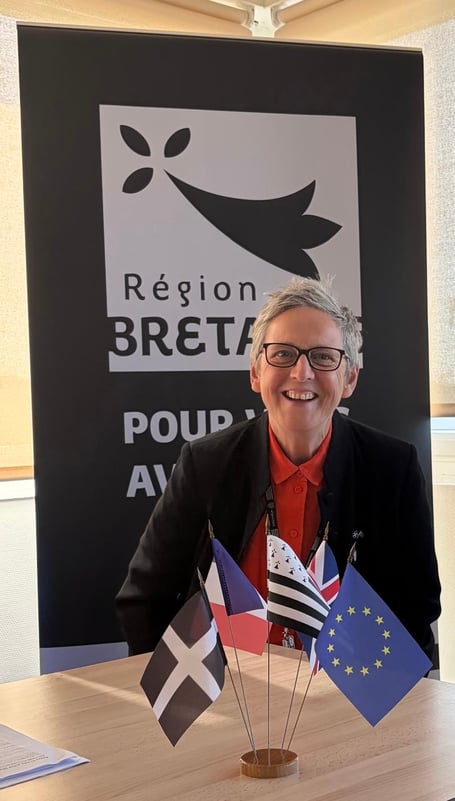
Cornwall has always been an outward-looking nation. In today’s uncertain economic environment, maintaining strong international relationships is more important than ever. During the festival, Cornwall renewed its partnership with Brittany through a new memorandum of understanding covering culture, language, economic development, tourism, renewable energy and opportunities for our young people.
The economic case is clear. France is one of Cornwall's most important European trading partners, receiving around £100-million of Cornish exports annually, while Ireland, with just under half of that, represents one of Cornwall’s greatest growth opportunities.
Building partnerships with our Celtic partners is about increasing two-way trade, through investment, supporting business, research and innovation partnerships, small and medium-sized collaboration and developing regional government partnerships and joint trade and investment initiatives.
Today, many Cornish businesses, particularly food and drink producers, still continue to face challenges exporting into European markets due to Brexit. Meetings with ministers, regional leaders, chambers of commerce and diplomatic representatives help create opportunities to reduce barriers and open new routes to market.
The opportunities span many of Cornwall’s priority sectors including agriculture, fisheries, marine industries, floating offshore wind, defence industries, digital innovation and cyber security.


Brittany, Cornwall and Ireland share many of the same strengths and challenges, creating opportunities for collaboration that benefit all our regions. There is also huge potential to grow our visitor economies.
Cornwall and Brittany share a distinctive Celtic identity, spectacular coastal landscapes, maritime traditions, food, culture and language. By promoting these assets together, we can develop a stronger cross-channel visitor offer, encouraging longer stays and strengthening economic links on both sides of the Channel.
Culture and the economy are not competing priorities: culture creates relationships and relationships build trust. And trust creates new opportunities for trade, investment, tourism, education and innovation.
That is why Cornwall’s place within the Celtic family matters. The Year of Cornwall demonstrated we are proud of our heritage, confident in our identity and ambitious for our future. Strong international partnerships are essential to building a prosperous, connected and outward looking Cornwall.
Comments
This article has no comments yet. Be the first to leave a comment.