

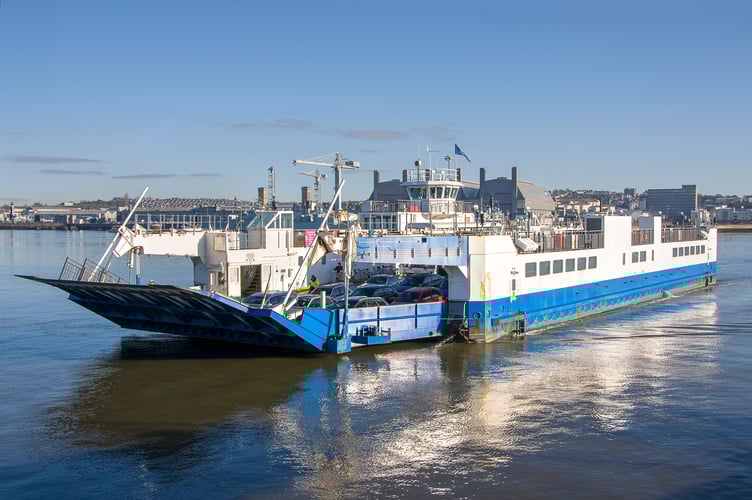
Tomorrow, (Saturday, April 29) the Torpoint Ferry PLYM will be taken out of service to prepare for its refit at A&P dry dock facilities in Falmouth.
You can watch a short film about ferry refits here.
The ferry is expected to return to service in mid-June but could return earlier, depending on favourable weather conditions and any unforeseen issues.



The Torpoint Ferry is the busiest inland waterway ferry crossing in the UK and the largest chain ferry service globally. It carries up to 8,000 vehicles and 1,500 pedestrians each day, with Tamar Crossings operating the ferries 24/7/365, in all weather. Achieving this requires a significant planned maintenance programme. While the majority of maintenance is carried out while the vessels are afloat or during off-peak periods while an individual vessel is not on scheduled service, some maintenance activities have to be carried out during refits in dry dock conditions, such as PLYM's upcoming refit.
The refit will include mandatory dry docking to survey the underwater hull to ensure the material state is sufficient to safely last a further five years, this is a statutory requirement and satisfactory completion is required to allow the issue of a Chain Ferry Certificate by the regulatory authority, the Maritime and Coastguard Agency, replacement of outdated or end-of-life systems and repainting the vessel.
During the refit, the remaining two ferries will operate every 15 minutes, one leaving each side of the river (on the hour and 15, 30, and 45 minutes past the hour), and the normal single ferry will operate half-hourly from 10 pm to 6.30 am. However, ferry users should expect longer wait times and plan accordingly as the reduced capacity will inevitably cause increased pressure on the service. They should monitor the Tamar Crossings website and social media channels for updates.
“We recognise that the reduction in service during refit periods is not desirable, however, these refits are essential to maximise the life of the ferries and ensure that we continue to provide a safe and reliable service,” said David List.
“We are also working hard to find innovative solutions to improve the overall life of the ferries and reduce the need for extended periods of maintenance."
Comments
This article has no comments yet. Be the first to leave a comment.