
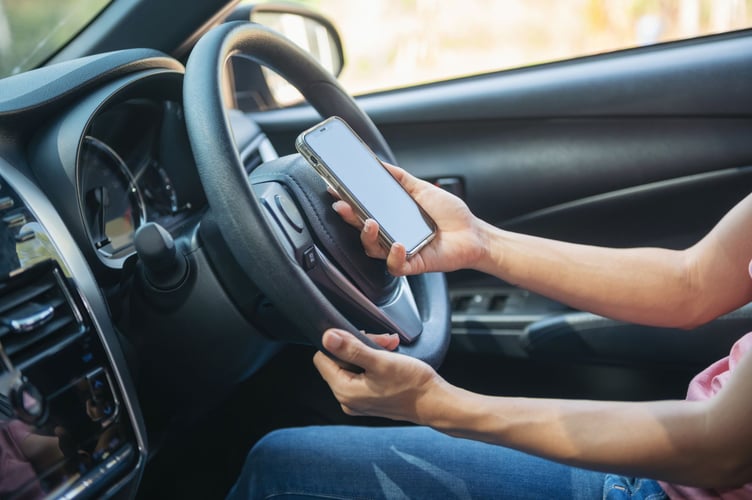
Working alongside The Open University and leading academic experts from across the UK, the force will help deliver an 18-month national study examining the pressures placed on drivers when operating in demanding or high stress situations.
The project, known as Focussed Response, has received £37,369 from The Road Safety Trust and will focus on “cognitive workload” – the amount of mental effort required while driving.
Researchers say the findings could improve safety standards not only for police officers and blue light services drivers, but also for motorists across the country.
The study will examine how drivers cope when faced with multiple demands on their attention, particularly in fast moving situations where reactions and decision making are critical.
Experts involved in the project say cognitive overload can reduce awareness, slow reaction times and affect a driver’s ability to identify hazards, even when distractions appear minor.
While using a handheld mobile phone remains one of the leading causes of death and serious injury on UK roads, researchers warn that even legal hands-free phone use can dangerously increase mental workload.
Other distractions such as adjusting a radio, following sat nav instructions, talking to passengers or trying to multitask while driving can also impair concentration.
Police driver support team manager Matt Butler said Devon and Cornwall Police was proud to support the pioneering research.
“Devon & Cornwall Police is proud to contribute to this forward-thinking research, which reinforces our commitment to continuous evidence-based improvement and safer roads for everyone,” he said. “Even if you think you are fully aware of your surroundings and other road users, multitasking when driving can cause a driver to take longer to react or perceive fewer unexpected and peripheral events.

.png?width=209&height=140&crop=209:145,smart&quality=75)
“Turning down the radio when reversing or looking for road signs is one example of reducing cognitive workload. But there are many other factors that can cause drivers to react too slowly or not at all.”
The findings will be used to develop an evidence-based training tool designed to help shape future national police driver training and safety standards.
Police officers will work closely with university researchers throughout the project, helping to test driving scenarios using police vehicles and operational situations.
Academic partners involved in the study include Professor Gemma Briggs from The Open University, Doctor Leanne Savigar Shaw from Staffordshire University and Doctor Helen Wells from Keele University.
Although the research has clear relevance for emergency service drivers operating in high pressure environments, experts believe the lessons learned could benefit all road users.
The project aims to improve understanding of driver behaviour, distraction and mental overload, helping motorists develop safer habits and potentially reducing collisions on roads across Britain.
Researchers hope the programme will encourage public debate about distraction behind the wheel and highlight how harmless habits can create dangerous situations for drivers, passengers, cyclists and pedestrians using roads every day.
Comments
We've recently changed our login process. If you have an account for commenting, you will need to re-register on the login window.
This article has no comments yet. Be the first to leave a comment.