
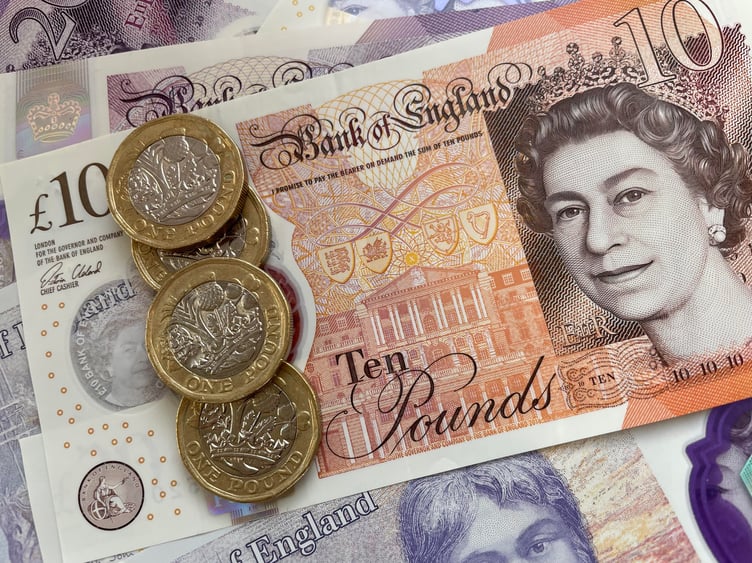
DURING the lifetime of the late Queen Elizabeth II, it was noted that the monarch did generally did not carry cash, with two exceptions: for placing bets at horse races, and a folded £5 banknote for church collection (allegedly ironed by her butler into a little square showing only her face).
I often feel like QEII – not because my face is on the notes, but because, like so many people, for me payment has moved beyond actual moolah and even the once treasured debit card to simply producing the ubiquitous smartphone and waiting for the telltale beep.
However, there are certain occasions when physical dough is very useful. On Saturday, I attended the Celebration of Culture on Truro’s Lemon Quay and enjoyed some tasty food cooked by members of the Cornwall Women of Colour Collective to reflect the cuisine of their home countries. No charge, but donations gratefully received in the bucket – not an unreasonable request.
That’s when I realised the contents of my purse resembled the kind of “shrapnel” no one actually wants – coppers and five pence coins, and not that many of those. I offered up them in their entirety when no one was looking, so embarrassed was I by such a poor show.
Then there are car parks. Have I already mentioned I got a parking fine in Falmouth recently? It was in one of those car parks with appalling mobile signal, where Cornwall Council’s favoured JustPark app goes into meltdown. Even the ticket machine’s contactless pad took my money but failed to produce a ticket.
Here’s hoping Cornwall Council’s move to largely cash-free car parks, as of Saturday (August 1), doesn’t result in an increase in such occurrences. Out of 138 fee-charging car parks, 95 are now cash-free. The LibDem-Independent administration insists 90 per cent of charges are already paid by cash-free means, and that the money that would previously have been spent on handling cash from car park machines could be better spent elsewhere.
Dan Rogerson, Cornwall Council cabinet member for transport, said: “It currently costs around £100,000 a year to collect, transport and process cash from the 138 council car parks which accept cash and card. That money could be far better spent on maintaining our car parks and wider highway network.
“While most users pay to park either by card, online or with their mobile phone, there remain around 12% who pay by cash, which is why we’ll be keeping that option in 43 car parks across Cornwall. We’ve reviewed cash usage levels, accessibility and location to ensure that drivers who want to pay by cash can continue to do so in each town, in Truro and at other locations where we have just the one car park.” These include Old Bridge Street in Truro, Polkyth in St Austell, The Manor in Newquay, Westbourne in Liskeard, Launceston Cattle Market and Bude Crescent.
This is hardly a new strategy. White River Place in St Austell went cashless in 2025; centre manager Bill Holland said cashless usage had covered over 85 per cent of transactions since the pandemic, and the only regular fault reported by customers was coin jams within the pay machines.



But as stated earlier, cash-free is a letdown in areas of poor signal, and the council’s Conservative group warned making it harder for people to use car parks could deter them from going into towns and have a negative impact on businesses. “There are lots of people who are digitally excluded in Cornwall,” said Cllr Connor Donnithorne, “and there are a lot of people who just want to use cash.”
Could Cornwall Council be behind the curve? New Post Office Cash Tracker data suggests cash continues to play an important role for both local businesses and consumers. The second quarter of 2026 saw a record value of business cash deposits at post offices in the South West - £69 million more than the same period last year - while the value of personal cash withdrawals for spending purposes increased by five per cent.
Post Office bosses claim this surge in cash usage may reflect the everyday, lower-value spending that comes with warmer weather and busier social calendars - from drinks and snacks to pub trips and family days out. As well as giving small businesses a convenient local way to manage takings and day-to-day cashflow during their busiest periods, cash provides a tried and tested way for households keep a closer eye on spending.
Looking at the parlous state of my financial affairs, I think a complete conversion to cash might be a good move. Maybe I should make room under the mattress …
What do you think? Email [email protected]
Comments
This article has no comments yet. Be the first to leave a comment.