
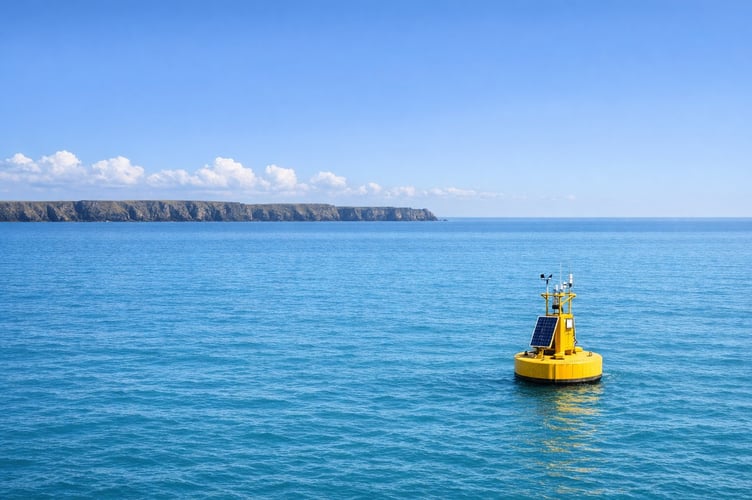
Marine science shapes daily life along the coast, influencing community wellbeing, the local environment, and economic stability. Cornwall’s coastal communities depend on ocean health for fishing, tourism, and resilience against climate impacts. Recent advances in marine science highlight the area’s contribution to understanding and managing its marine environment.
Across Cornwall, marine science research underpins decisions on managing seas, supporting sustainable industries, and conserving wildlife habitats, while related academic pathways elsewhere are often compared in resources such as a New Zealand university list. Cornwall’s position on the southwest tip of England gives its research a unique perspective, with its long and varied coastline home to numerous fishing villages, bustling harbours, and popular beaches. Local experts focus on challenges such as coastal erosion, shifting fish populations, and marine pollution using established monitoring methods and technology that often reflect the region’s specific issues. The coastline around Cornwall frequently experiences changes due to storms and tidal surges, making the focus on erosion and adaptation especially important for safeguarding communities. Drawing on a range of expertise and practical experience, Cornwall’s research ecosystem is closely connected to its local realities, making the work directly relevant to the area. By linking science and day-to-day life, this research underlines why marine health and study matter to people living and working along Cornwall’s shores, supporting industries like fisheries and tourism while also prioritising the wellbeing of residents.
Specialist research drives local marine solutions
Specialist marine research in Cornwall spans a broad range of themes with local impact, reflecting the area’s distinctive bays, estuaries, and nearshore waters. Researchers dedicate significant effort to long-term coastal monitoring, carefully recording changes to beaches, cliffs, and estuaries to better anticipate the effects of increasingly strong storms and accelerating sea-level rise that Cornwall has witnessed in recent years. This not only helps shape practical responses to climate change and severe weather but also provides essential guidance for local councils and agencies managing shore defences. Fisheries science remains another cornerstone of Cornwall’s marine work, as fishing remains embedded within local culture and economy. Researchers monitor shifting fish stocks within Cornish waters and design conservation measures that help sustain key species, supporting the fishing sector as it adapts to changing conditions. Collaboration between researchers, practitioners, and fishers helps ensure that recommendations are communicated to Cornwall’s communities in accessible, locally appropriate ways, supporting the viability of coastal economies as they respond to dynamic marine conditions.


.jpeg?width=209&height=140&crop=209:145,smart&quality=75)
Cornwall’s research teams study diverse marine habitats, from sheltered bays with seagrass beds to exposed rocky reefs and kelp forests off the Cornish coast, all essential for local biodiversity and of interest to conservationists and the wider regional community. Tracking marine pollution is also a priority, with ongoing work to investigate sources and potential long-term effects of plastics and other contaminants that can be found along Cornwall’s popular beaches and in its marine environment. By analysing patterns in water quality and mapping which coastal areas are most at risk, researchers can provide data-driven advice on how Cornwall’s local councils and environmental organisations respond to threats, underpinning the need for sustained monitoring and stewardship of these unique resources. This research helps clarify where monitoring and mitigation efforts are most urgently needed, informing the placement of water sampling points and guiding volunteer initiatives in beach clean-ups and public awareness campaigns along the Cornish coastline. Such efforts contribute to a more complete understanding of local priorities and reflect the everyday concerns of those who live and work by the sea.
Scientific discovery informs community action
Marine research in Cornwall is not confined to laboratories but has a daily presence in the region’s decision-making process and community activities focused on protecting coastal life. Scientific findings inform practical projects, shaping marine conservation efforts, guiding beach safety campaigns at busy resort towns, and providing technical insight for adapting infrastructure, such as sea walls and promenades, to suit Cornwall’s constantly changing coastline. Consultation processes typically draw on up-to-date evidence from ongoing fieldwork in Cornish waters, giving local planners a stronger basis to invest in flood defences, restore saltmarshes, or trial innovative land management strategies alongside businesses that depend on the sea. This tight integration between research and practice ensures that every action taken by stakeholders is grounded in Cornwall’s unique ecological context.
Results from marine science research directly influence how regional fisheries management measures are established, shaping new policies on quotas, seasons, or protected areas which reflect Cornish needs. They also guide local initiatives to address marine pollution, from efforts to reduce single-use plastics in tourist areas to targeted pollution clean-up projects along rivers and estuaries that flow into Cornwall’s bays. Community-led beach and estuary surveys, often carried out by Cornish volunteers, frequently complement professional monitoring, producing robust datasets and building local engagement. This collaborative approach enhances inclusivity and supports strong connections between science and the real-world settings of Cornwall’s coast. Research partnerships often foster links between local educational providers, such as Cornwall-based schools and colleges, and marine industries, resulting in new opportunities for residents to gain experience, participate in training initiatives, and contribute to the area’s sustainable development.
Sustaining research and skills for the future
Continued progress in marine science in Cornwall depends on consistent investment not just in facilities, but in people committed to the region. Training, workshops, and field placements within Cornwall can attract students and newly qualified researchers to focus on its unique marine environment, ensuring a steady pipeline of talent for established organisations and new initiatives alike. Local authorities, research centres, and conservation groups throughout Cornwall often provide internships, apprenticeships, and mentoring programmes that encourage more people to consider specialist careers in marine science. This helps increase the likelihood that people trained locally remain in the region’s workforce, supporting Cornwall’s ability to respond rapidly to emerging environmental challenges with relevant expertise. Local employers, including those in tourism, fisheries, and environmental sectors, can also benefit from access to professionals already attuned to Cornwall’s specific needs and environmental pressures.
Balancing the priorities of research with the reality of funding and resource constraints remains a challenge for Cornwall, but links between scientific work and local employment opportunities support economic resilience and ongoing innovation. Sometimes, progress can be held back by the need to align long-term scientific projects with shorter-term policy demands, but by prioritising the unique challenges facing Cornwall’s coasts, research efforts can have a direct impact on how the region responds to future changes. Looking ahead, continued emphasis on marine research will support Cornwall as it navigates issues like coastal erosion, sea-level rise, and shifting marine ecosystems, equipping the next generation with the knowledge and skills needed for sustainability. This focus helps ensure that Cornwall’s seas, which have shaped its character and sustained its way of life for centuries, remain healthy and productive for years to come.
Comments
This article has no comments yet. Be the first to leave a comment.